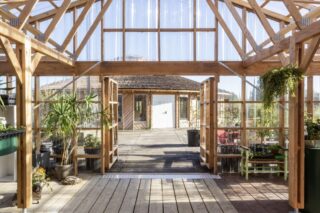


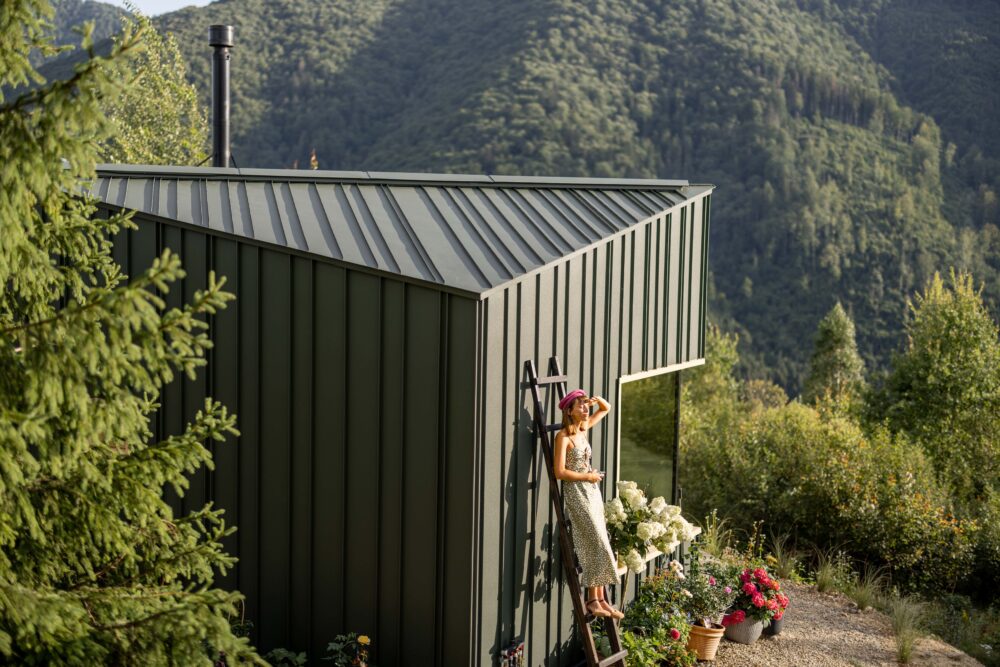

Tiny houses exemplify how sustainable materials, from recycled steel to reclaimed wood, are gaining traction in modular construction—and redefining efficiency, durability, and eco-conscious design.
Growing populations and environmental concerns are putting pressure on the global housing sector, but prefab homes—especially in their smaller forms—are emerging as one of the most compelling solutions for the future of living. In recent years, prefabricated small homes have moved beyond their early reputation as temporary structures. Today, they stand at the forefront of innovation in residential design, offering a combination of affordability, efficiency, and sustainability.
Now, it’s common to see sleek prefab urban apartments and modular countryside retreats. As interest rises, so do the results with high-quality, customizable living spaces that cut down on waste, costs, and construction time. We discuss the reasons behind the projected market growth with professionals in the modular industry. Here’s what they’re saying.
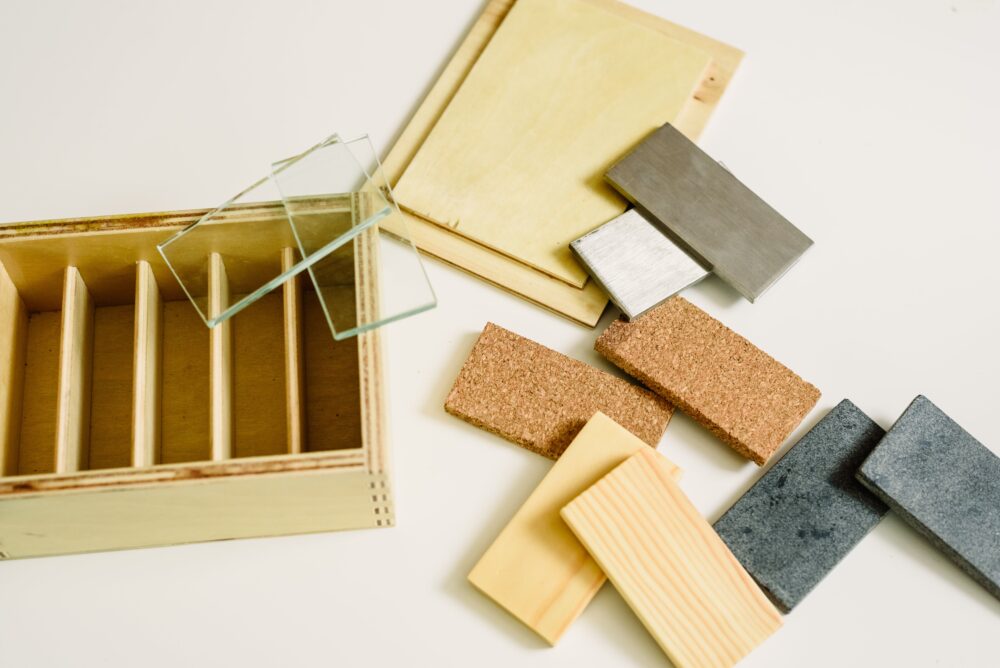
Materials on the Rise: Eco Steel, Wood, Concrete
Sustainability has been a keen factor behind the blooming of prefabricated houses, and a few eco-materials have been gaining traction. Each material responds to specific needs, according to Garret Cord Werner, founder, owner, and architect of Garret Cord Werner Architects & Interior Designers.
Recycled steel, for example, is widely used in prefab framing. It offers strength, precision, and around 70% recycled content, which lowers embodied carbon. While slightly more costly upfront than wood, factory fabrication with recycled steel reduces waste and speeds on-site assembly. Its durability, fire and pest resistance, and adaptability for future expansion make it a long-term, low-maintenance choice for homeowners.
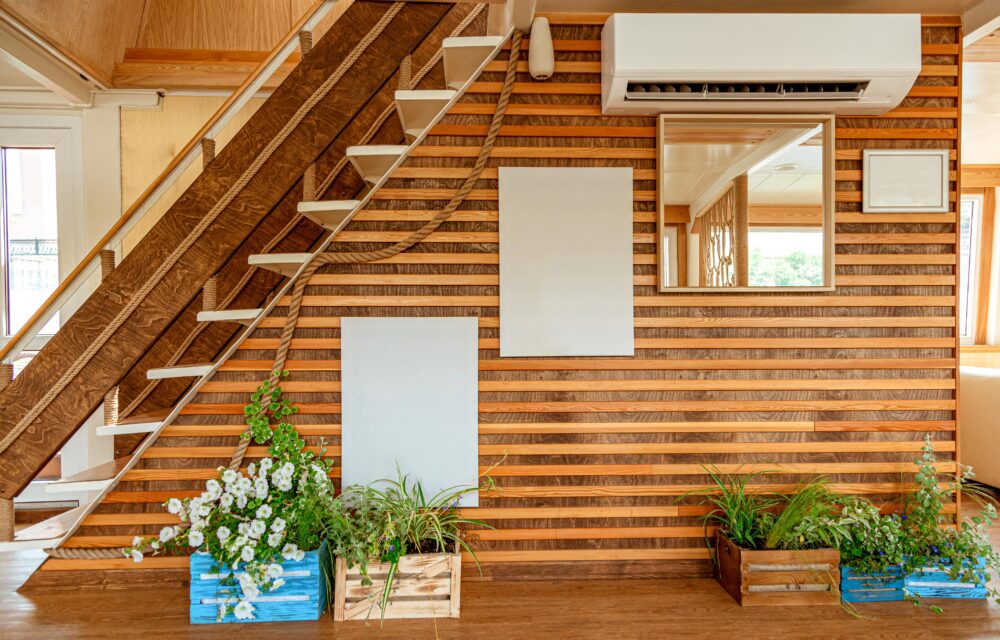
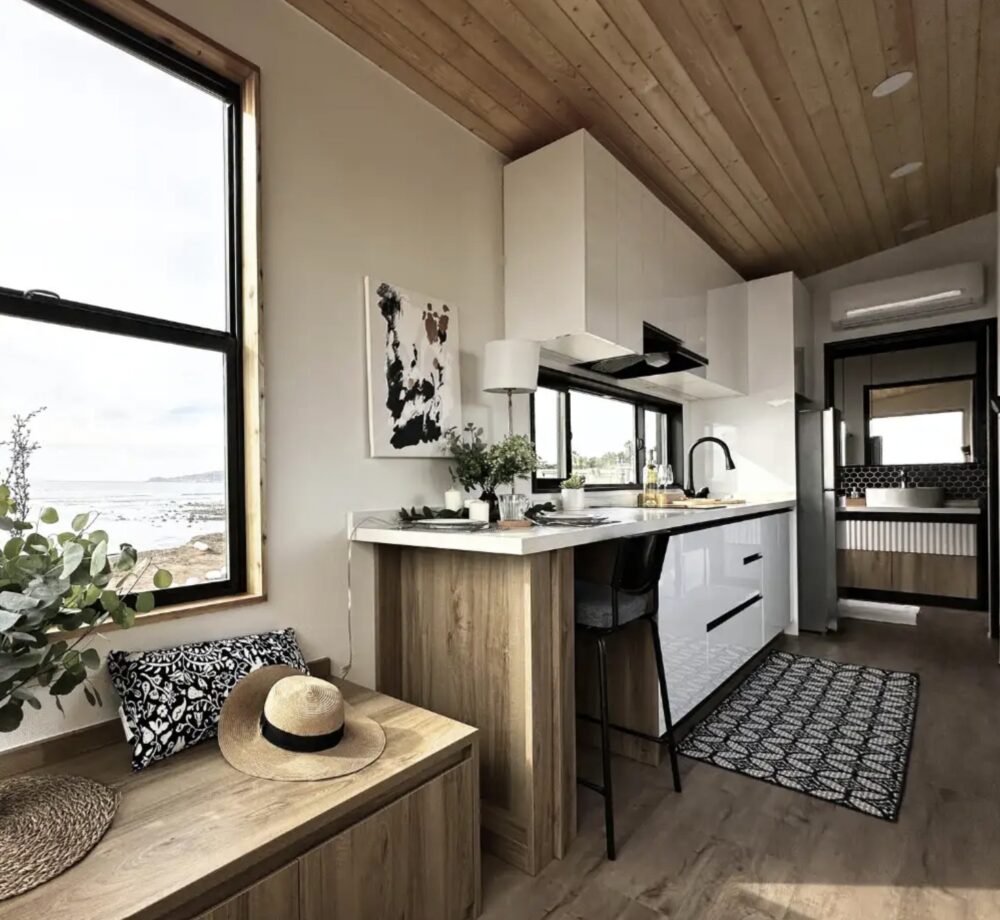
Reclaimed wood, on the other hand, provides both environmental and design benefits, as it reduces the demand for virgin timber while enhancing interiors with a unique aesthetic. It is sometimes more expensive upfront due to sourcing and preparation, but it delivers strong value in prefab construction. When integrated as finishes or cabinetry within factory-built modules, reclaimed wood streamlines setup and reduces installation times compared to custom work on-site. In terms of longevity, it’s typically denser and more stable than new timber, which makes it less prone to warping and adds long-term durability.
Finally, recycled concrete is frequently utilized in the construction of foundations and load-bearing panels for housing. Concrete’s environmental footprint is high, but reusing it can significantly reduce waste and emissions. Crushed demolition debris can be processed into aggregate for new concrete mixes, making it a practical choice for modular foundations, structural panels, and paving. Over the life of the home, recycled concrete performs as reliably as conventional concrete, offering durability and resilience while lessening the environmental impact of construction.
Transforming Eco-materials from Premium to Cost-effective
Garret Cord Werner believes that, over time, the growth of eco-friendly prefabrication could help normalize sustainable design as the industry standard—moving it from a premium option to an expected baseline.
“Modular systems allow communities to build faster, at a lower cost, and with consistent performance, which is especially valuable in regions facing affordability crises,” Werner said.
In general, eco-friendly materials do increase upfront construction costs, but the long-term outcome is positive.
“Many of these materials are designed for greater durability and energy efficiency and can offset initial costs via reduced maintenance and long-term savings,” said Matt Esh, marketing director of Zook Cabins, which specializes in modular homes, Accessory Dwelling Units (ADUs), and park models.
Consequently, balancing cost and sourcing is the greatest challenge in building prefab houses.
“Prefab offers a unique edge—it reduces material waste and allows for greater precision in using those materials efficiently, which helps offset cost concerns. To me, builders who can deliver sustainability affordably will no doubt define the next decade of residential construction,” said Michael Feazel, CEO at Roof Maxx, a sustainable roofing company that focuses on keeping shingles out of landfills.
Supporting the ‘Less Waste’ Mentality
Prefab housing is increasingly recognized as a design solution that directly addresses construction waste—one of the industry’s most persistent challenges.
“A lot of the sustainability of prefabricated housing comes from the manufacturing process itself. An on-site construction project is going to create tremendous amounts of runoff and erosion, get chemicals in the groundwater, and burn plenty of gas from contractors and equipment getting to and from the site. Factory-based construction drastically reduces environmental damage and carbon emissions,” said Jonathan Palley, the CEO of Clever Tiny Homes, a firm specializing in high-end tiny homes, ADUs, and cabins.
That same factory-based approach is what allows Clever Tiny Homes and other prefab innovators, such as StudioHome, to minimize waste on a granular level. StudioHome integrates eco-friendly materials and design practices into its housing kits, ensuring that efficiency is baked into both production and assembly. While a typical construction site averages 3.9 pounds of waste per square foot and often requires multiple dumpsters, the on-site assembly of a StudioHome shed typically produces no more than a single garbage can of refuse.
StudioHome has also developed robust recycling and composting practices at its manufacturing facility: 100% of unused metal scraps from its CloudLite and VistaLite structural windows are recycled, while clean wood waste from the shop is composted.
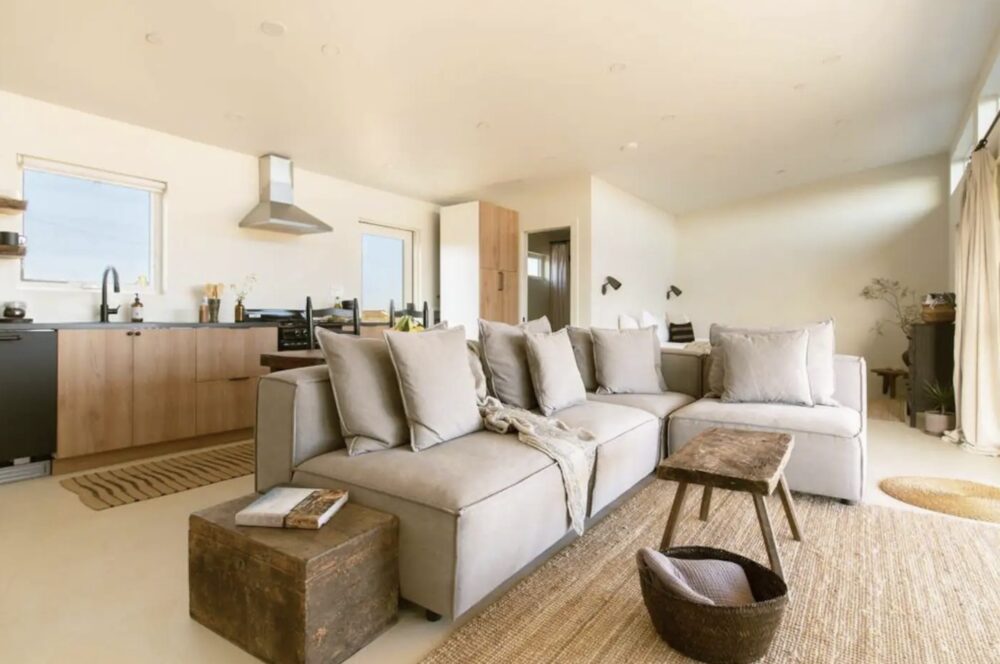
“Also, the broader trend toward smaller spaces and homes is in itself a big contributor to sustainability, as a smaller footprint overall requires fewer materials and less energy to maintain,” said Jeremy Nova, co-founder and creative director of StudioHome.
Zoning and building codes
One of the main hurdles for prefab adoption lies not in the structures themselves, but in how they are regulated. There is no separate “modular building code.” Instead, prefabricated projects are subject to the same codes as site-built construction—typically versions of the International Building Code (IBC) in the U.S. or the National Building Code in Canada. Because each jurisdiction adopts and amends these model codes on its own cycle, regulatory consistency is limited, creating uncertainty for both designers and clients.
A critical issue is classification: whether modular units are recognized as permanent housing or treated as temporary structures. This impacts requirements around lot size, height, and setbacks, and can extend approval timelines. New materials and methods face additional hurdles.
“Innovative options often require additional testing before local building officials certify them. In the United States, for example, cross-laminated timber was only recently written into national model codes, and hempcrete was formally recognized by the International Code Council in 2022. At the same time, some jurisdictions are moving in a supportive direction by offering incentives such as expedited permitting, density bonuses, or tax credits for projects that achieve defined energy or carbon reduction benchmarks,” Werner stated.
In the end, prefab housing is no longer a fringe alternative but a driving force in redefining how homes are built and sustained. While regulatory hurdles and cost barriers remain, prefabricated homes stand poised to play a central role in shaping resilient, affordable, and environmentally responsible communities worldwide.