


During BDNY 2025, a panel of experts discussed the importance of designing for whole-person wellness and how this is contributing to the expanding horizon in hospitality.
Wellness in hospitality has entered a new era—one in which lighting, air quality, acoustics, furniture, rituals, community, and emotional pacing matter as much as massages and meditation rooms. Across the industry, designers are being asked not just to refresh aesthetics but to create environments that legitimately support human wellbeing. At BDNY’s panel on “designing for whole-person wellness,” this shift was evident in both the conversation and the lived experiences of the practitioners on stage.
“Wellness is about improving your quality of life, mind and body,” one panelist explained, emphasizing that built environments now play an expanded role in helping guests feel better over days, months, and seasons.
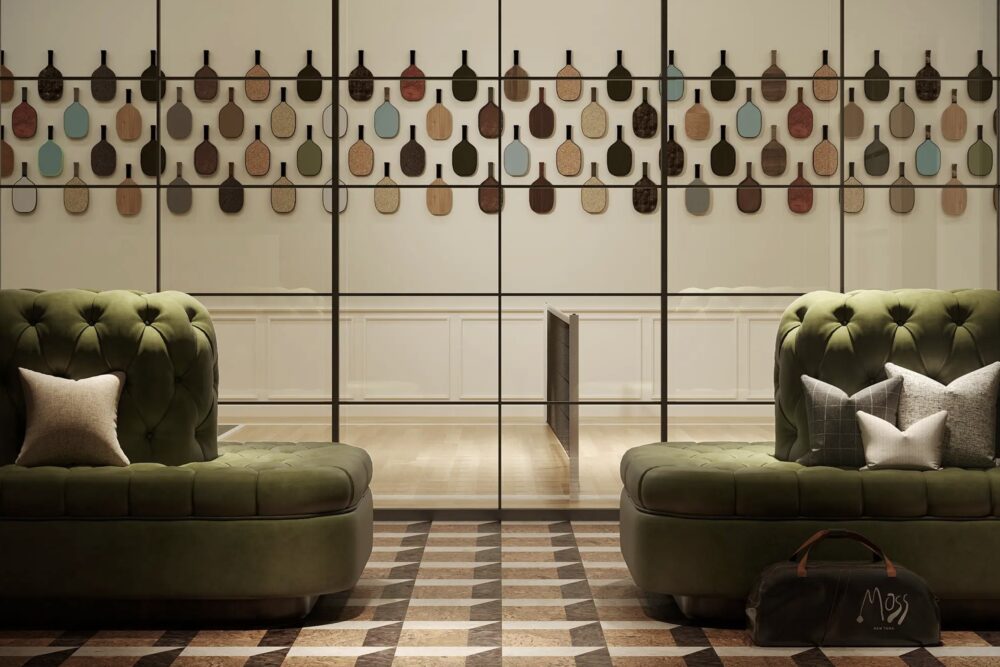
The dialogue revealed a field moving beyond the old spa-centric model. With Tommy Brooks, President and Co-founder of Moss New York, leading work on an integrated project like Moss—a five-story private members’ club opened on November 17, 2025, at 520 Fifth Avenue. Also, Elliot March, Co-founder of March & White Design (MAWD), brought a global, emotionally attuned design perspective from his London, Dubai, New York, and Los Angeles studios. Together with Ashley Tackett’s human-centered hospitality vision — the panel made clear that wellness in hospitality is now a holistic design framework, not just a laundry list of trendy amenities.
Wellness as a Multi-Dimensional, Guest-Defined Experience
The panelists agreed: wellness means different things to different people. One designer summed it up with a simple observation:
“Wellness could be anything that makes you feel more connected.”
Connection can look like a sunrise bike ride, a quiet hour alone, an energizing social dinner, or even, as one client told a panelist, “whiskey and a steak.”
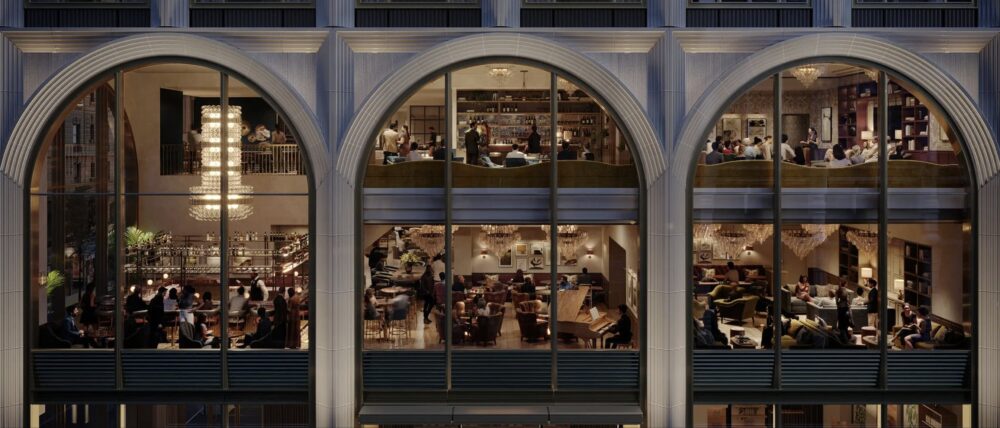
The point, the speakers emphasized, is that wellness cannot be imposed; it must be interpretable. This perspective aligns closely with the thinking behind Moss, whose 2025 opening represents one of the most ambitious hospitality-and-wellness hybrid models on the market. The club’s concept embraces multiple wellness entry points—a robust athletics facility, thermal and recovery experiences, cultural salons, creative studios, and quiet social spaces. Rather than tell members what wellness should mean, Moss is designed to let them choose their own rhythm of feeling well.
Ashley Tackett, whose work blends interior architecture, branding, and operational experience, reinforced this idea of multiplicity. As she introduced herself onstage, she described her role as a “unifier… bringing all the pieces together” so hospitality projects “have more heart.”
Her philosophy centers on designing environments that respond to emotional nuance—spaces that can hold calm one moment and spark conversation the next.
That emotional flexibility is becoming a cornerstone of next-generation hospitality.
Authenticity: The New Currency of Wellness Design
A clear through-line from the conversation was the call for authenticity. Designers warned against the hospitality industry’s tendency to reduce wellness to a checklist.
“It’s not just checking the box of ‘let’s put a gym in the basement’,” one panelist said. The real work, they argued, is “pulling the story behind why wellness is an important part of this” and designing from that origin.
Authenticity, in this framework, isn’t a style—it’s a narrative that connects founders, operators, and guests.
The Moss project embodies this ethos of narrative-driven wellness. Instead of importing generic spa ideas, the club builds from the founders’ commitment to “intelligent leisure” and physical culture, shaping a wellness program that feels rooted in identity rather than trend. Everything from movement studios to conversation salons is tied to the story of what Moss stands for.
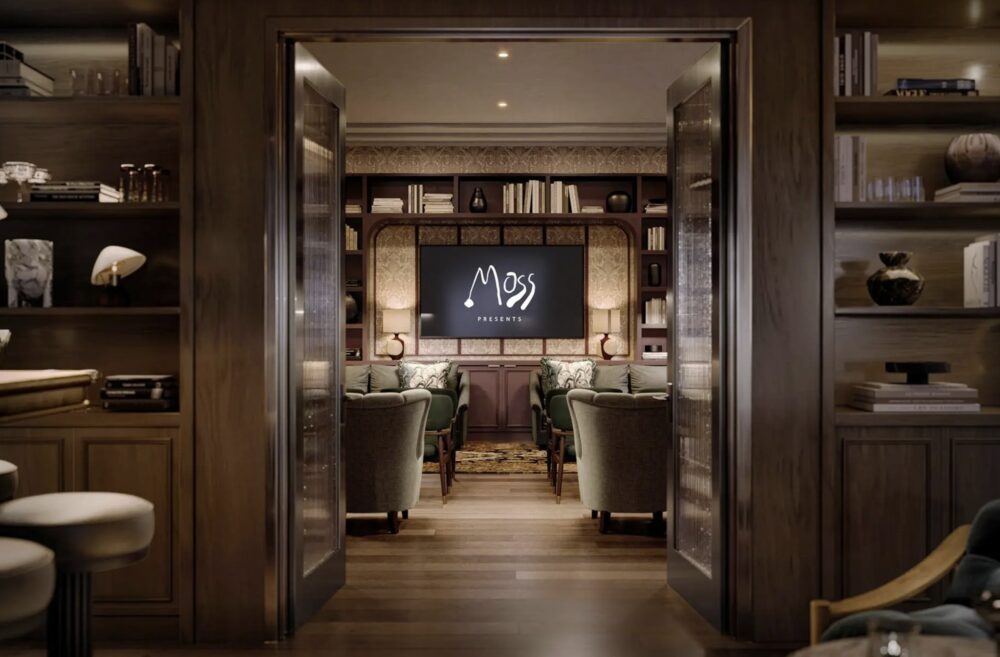
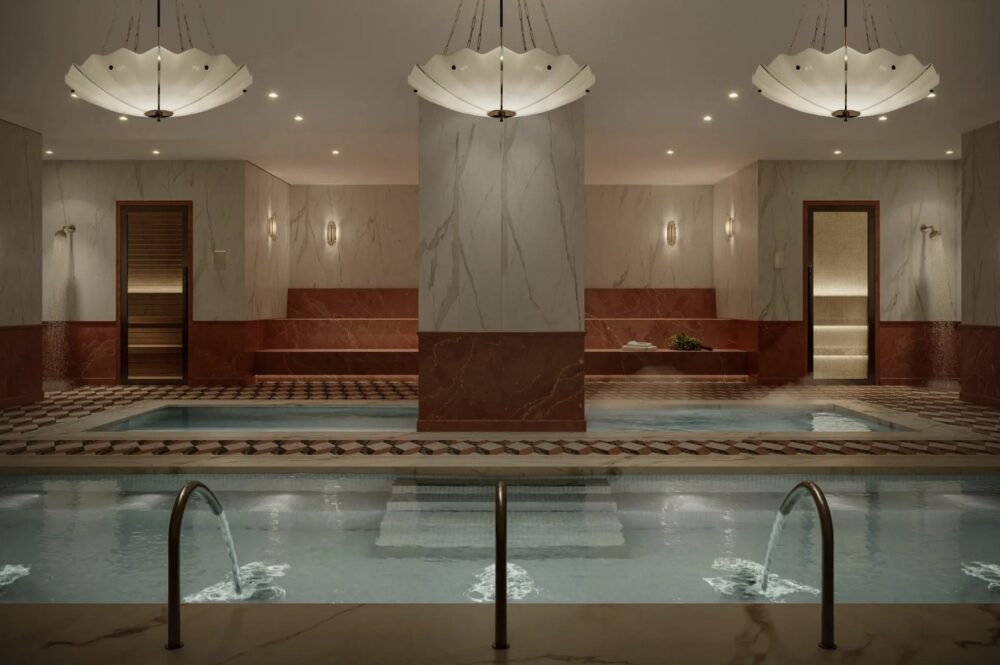
Tackett’s body of work, while not defined by 2025 launches, speaks to the same philosophy. Known for creating soulful, human-centered environments—and for operating a hotel herself—she brings a rare perspective that merges design with the lived reality of guest experience. Her earlier boutique work is relevant not for its vintage but for how it established her belief in place-based, story-driven hospitality. That background continues to inform her current design thinking, making her contributions on the BDNY stage particularly resonant.
Her emphasis on projects having “more heart” dovetails precisely with the panel’s argument: wellness design must feel true, not applied.
Designing Across Systems: Integrating Physical, Social, and Emotional Wellness
One of the most important reframings at the panel was the idea that wellness is not a standalone amenity—it is a systemic design approach. Panelists pointed to lighting, air quality, acoustics, ergonomics, and material choices as essential components. As one put it:
“Whether it’s lighting, air quality, [or] furniture… all of these things are now being pitched as wellness,” but the real shift is that designers are finally treating them as non-negotiables.
Equally important, the speakers noted, is social wellness—spaces that shape human connection.
“We’re having this really intimate conversation, and that is also wellness,” one said.
Even a high-energy room with techno music, another argued, “can also be wellness, depending on what type of emotion… you’re trying to create.”
That interplay of physical and emotional infrastructure is central to Moss’s design. The club’s upcoming debut offers a case study in integrated wellness ecosystems:
- A 20,000-square-foot aquatics and athletics facility
- Thermal and recovery zones
- A recording and podcast studio
- Cultural programming and performance
- Intimate lounges and social rooms designed for exhalation
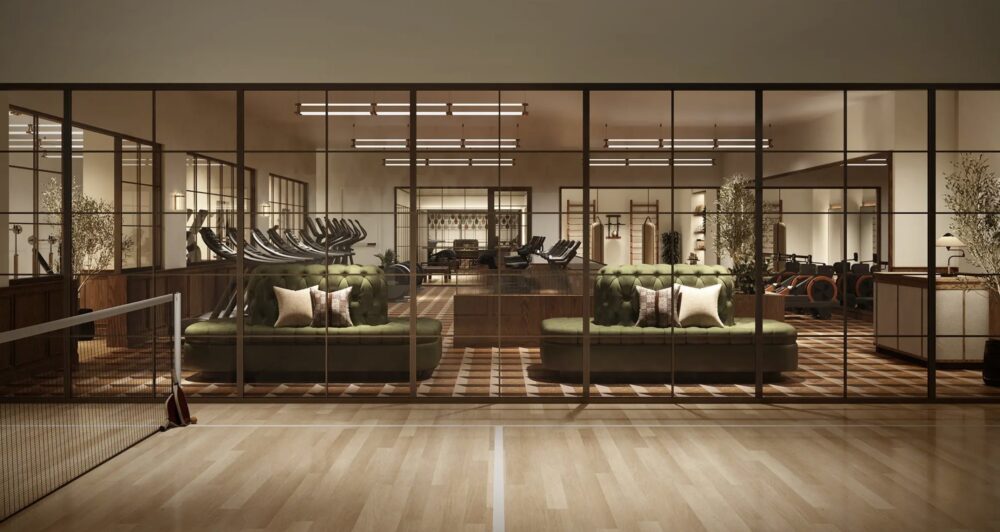
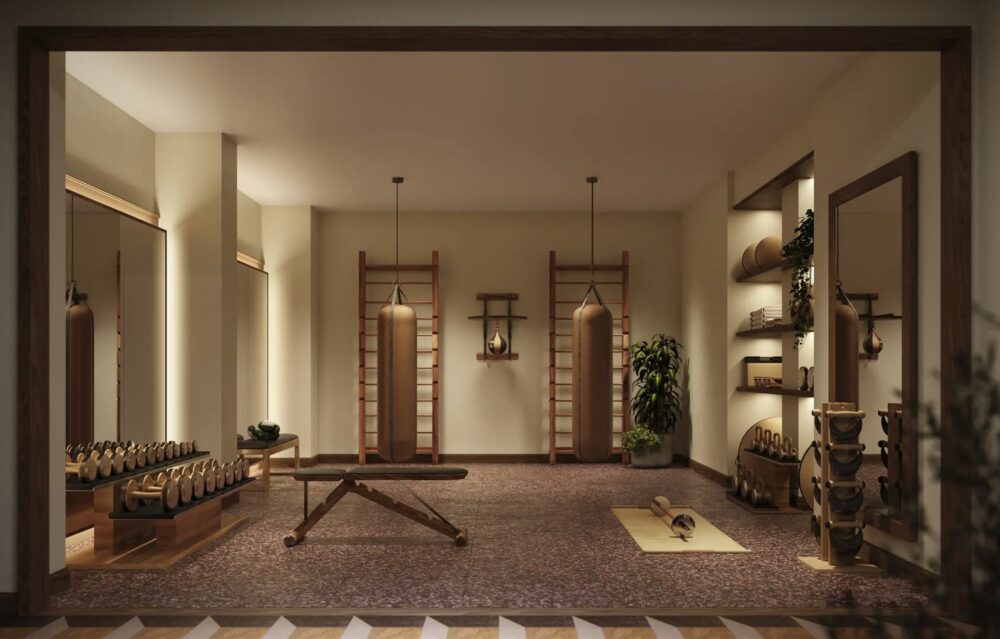
Each element functions independently, yet all contribute to a broader system of wellbeing that spans movement, creativity, rest, and connection.
Tackett’s contributions to the discussion enriched this systems perspective. Her experience running a hotel gives her firsthand insight into how small, often invisible decisions—light temperatures, corridor acoustics, the emotional pacing of transitions—change how guests feel in their bodies. Her philosophy makes the case that wellness emerges from layers of design decisions, not from a single big gesture.
A New Metric for Hospitality
The BDNY panel made one thing clear: whole-person wellness is redefining hospitality’s creative and cultural landscape. It asks more of designers—more listening, more intention, more integration—but it also offers new ways for hotels, clubs, and resorts to create lasting value.
Projects like Moss demonstrate how large-scale hospitality can embed wellness as identity rather than amenity. Voices like Ashley Tackett show how design leadership grounded in emotional intelligence and authenticity can make those environments feel human.
As the industry moves deeper into 2025 and beyond, wellness isn’t a trendline—it’s becoming a core metric for how well a space supports the people in it. And, as the panelists repeatedly emphasized, that comes down to a single, deceptively simple goal: help people feel more connected— to themselves, to others, and to the environments they move through.