


By Karen Larson, Co-Founder, President, Soake Pools
Wellness continues to evolve from a luxury to a daily lifestyle priority. Architects and designers are increasingly being asked to reimagine the backyard as a restorative extension of the home. Now, homeowners increasingly want it tailored to integrate hydrotherapy, natural materials, and sensory-driven environments with the same rigor applied to interior spaces.
This shift is reshaping client expectations: homeowners now seek not just pools or patios, but curated, indoor–outdoor ecosystems that support reflection, recovery, and year-round living. For design professionals, this moment presents an opportunity to refine the language of outdoor wellness—aligning sightlines, material palettes, and spatial choreography. It’s about creating sanctuaries that feel both highly personal and holistically integrated.
Rise of Wellness-Centered Living
Wellness has always influenced how people live, but its meaning has expanded in recent years, reshaping the priorities that guide home design. Amenities that once felt like occasional luxuries, such as hot tubs, spa treatments, and therapeutic water experiences, now play a central role in everyday life for many. Homeowners aren’t waiting for a weekend getaway to feel restored—they’re choosing to bring those moments of calm into their daily routines at home. As a result, the backyard is taking on new importance, becoming a place where health and balance come together more intentionally.
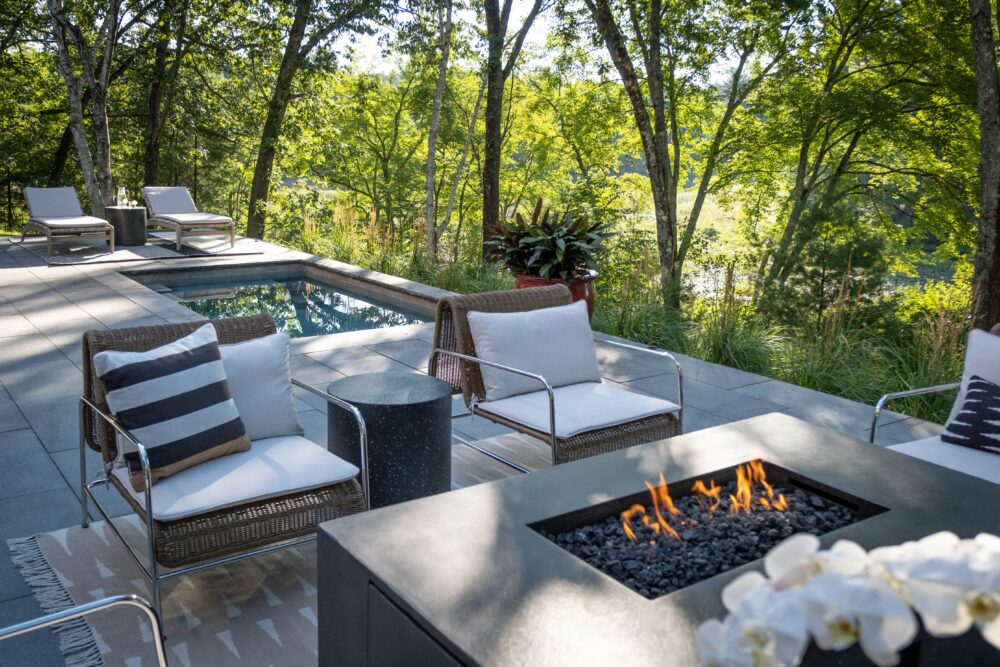
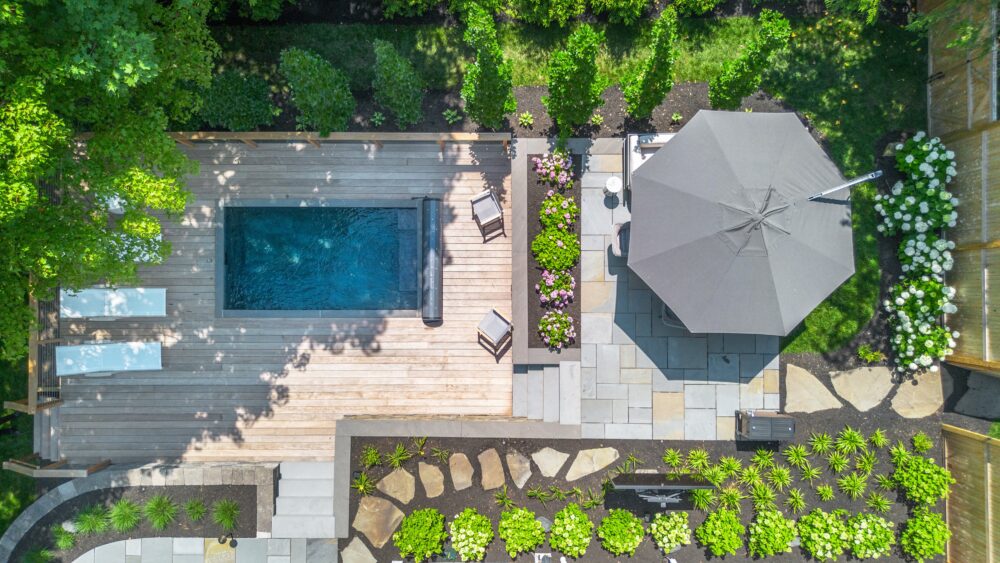
At Soake Pools, we have been seeing this change clearly in the conversations we have with clients. Most are not simply looking to add a pool. They are trying to create a place where they can slow down, reconnect with nature, and build daily habits that support both physical and mental well-being. Some want a peaceful corner for morning reflection, while others are exploring cold plunging or hydrotherapy—a space that helps with recovery and longevity. These amenities used to exist only in boutique hotels or wellness centers. Now people want them at home, woven into their everyday routine. A recent Houzz Home Trends Study found that more than half of homeowners undertaking outdoor renovations prioritize “creating a space for relaxation,” reinforcing what we hear every day.

Images: Courtesy of Soake Pools
This shift spans generations. Older homeowners are planning spaces that support aging comfortably, while younger homeowners prioritize preventive wellness and low-maintenance living. Plunge pools fit these needs particularly well. They use less water, function in both warm and cool seasons, and offer accessibility that large pools often lack. Families are choosing them intentionally because they align with the lifestyle they want, not because they represent a compromise. As a result, the backyard is becoming one of the most nurturing and transformative parts of the home.
Designing for a Seamless Indoor–Outdoor Connection
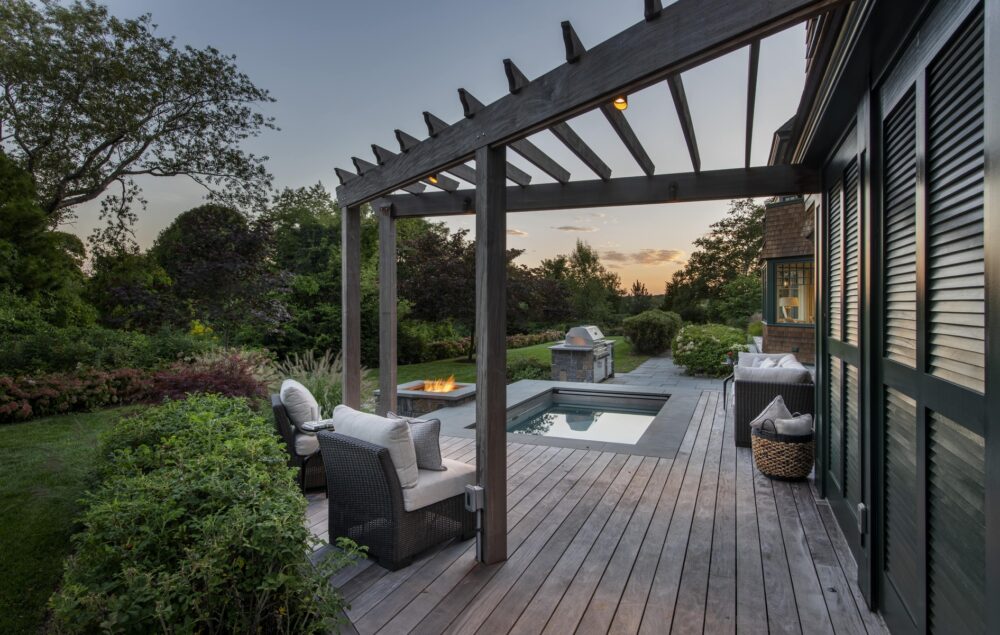
As wellness becomes a design priority, homeowners are also paying closer attention to the relationship between their indoor and outdoor spaces. They want rooms to connect visually and emotionally, and they want transitions between inside and outside to feel natural and cohesive. Materials, textures, and colors that once stayed indoors are now being carried outside to create a unified experience. This has encouraged interior designers, landscape architects, and manufacturers to collaborate more closely. A plunge pool set within a courtyard might pick up the tones of the kitchen tile. A large glass wall can open a living room to the patio and make the two feel like one. Even practical elements, such as railings, are gaining more thoughtful attention as part of the design language rather than simple structural requirements.
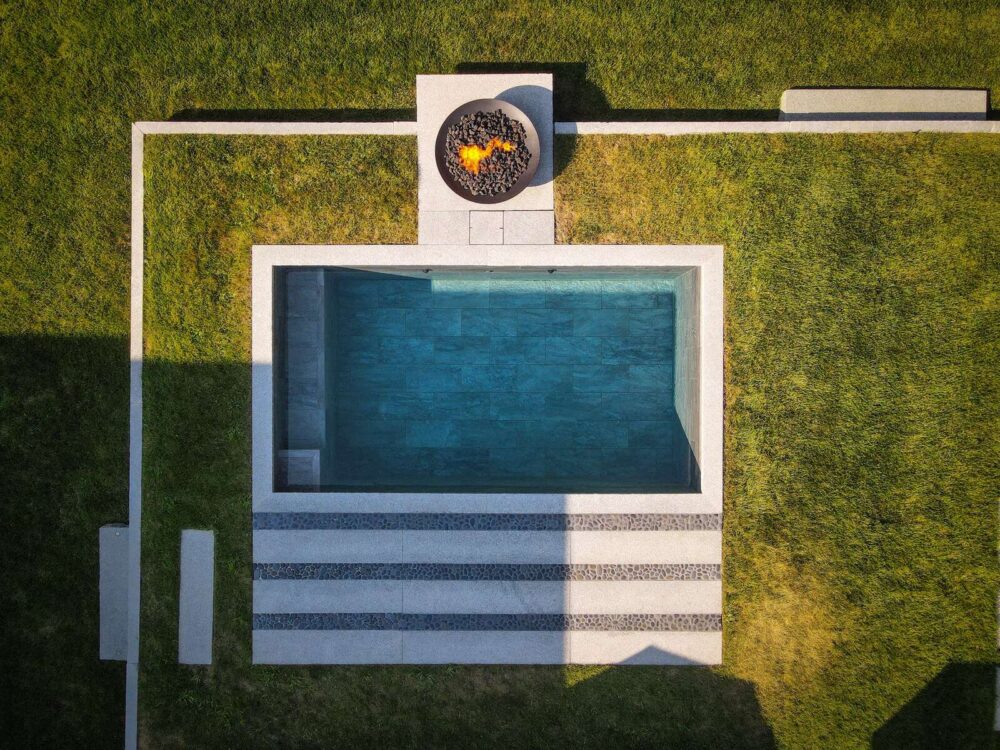
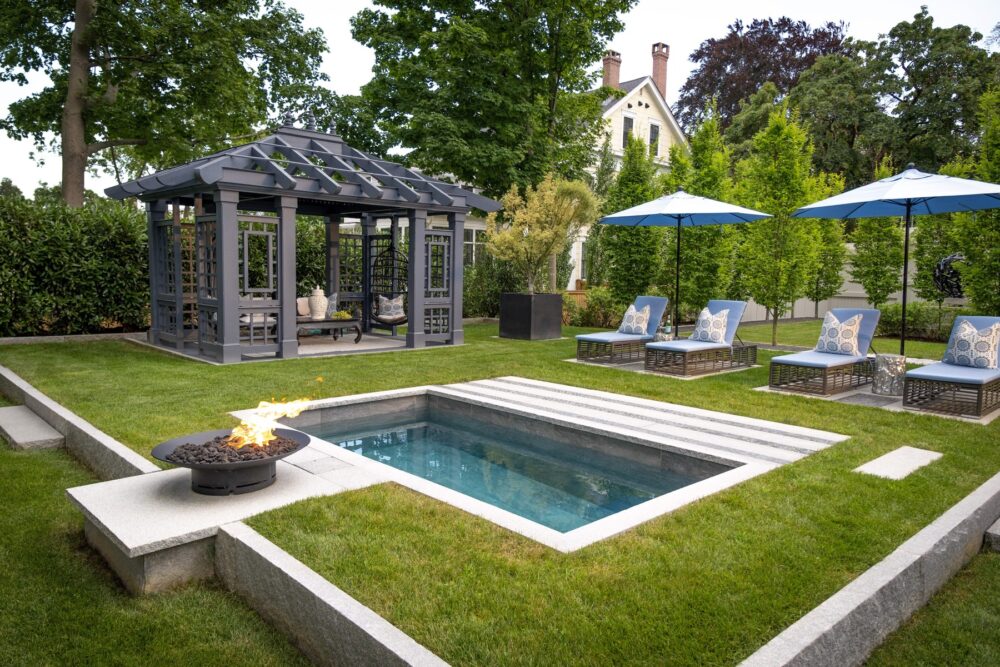
These conversations often begin early in our planning process. Many clients want their plunge pool to be visible from key rooms in the home, so we consider placement options that support architectural sightlines. With the option to install our pools above ground, partially recessed, or fully recessed, designers have the freedom to position them so they feel fully integrated with the home’s layout.
Materials also shape the experience. Some homeowners prefer calm, soft palettes, while others gravitate toward bold, expressive designs. Our new Check + Stripe tile collection was created with this diversity in mind. The checkerboard and stripe patterns allow designers to extend indoor motifs outdoors and create continuity across the property. When the interior and exterior speak the same design language, the home feels calmer and more intentional.
Personalization and the Future of Outdoor Wellness Design
True wellness environments feel personal. They reflect the routines and preferences of the people who use them and support the way they want to spend their time. Homeowners are moving away from generic outdoor spaces and toward environments that feel tailored to their rituals. At Soake Pools, this has meant a noticeable rise in custom requests. Some clients choose vibrant tile to energize the space, and others prefer quiet neutrals that evoke stillness. Many embrace custom mosaics that turn the interior of the pool into a dynamic piece of art.
This interest in personalization extends far beyond the pool itself. Privacy screens are selected for their sculptural qualities as much as their function. Plantings are chosen for movement, fragrance, and texture. Materials that feel good underfoot or soften the light are as important as the overall aesthetic. Increasingly, homeowners are thinking about how their outdoor spaces sound, smell, and feel, not just how they look.
This is the direction outdoor design is heading. More homeowners are looking for outdoor spaces that feel restorative and connected to the way they actually live. When wellness guides the design from the beginning, choices about materials, placement, and sensory details feel purposeful rather than decorative. These decisions help shape environments that support daily routines and make simple moments outside feel more meaningful.
As homeowners work with designers who share this holistic outlook, their outdoor spaces begin to reflect their own idea of well-being. For some, that means a plunge pool they can use throughout the year. For others, it might be a garden designed for quiet reflection or privacy features that feel sculptural as well as functional. In the end, a carefully planned outdoor area becomes more than an extension of the home. It becomes a personal sanctuary that offers comfort, energy, and a sense of balance throughout the seasons.