


By Joyce Huston, Co-Founder and Lead Designer at Decorilla
We’re in a new phase of workplace design, shaped more by human motivation than company policy, especially with hybrid work a set feature. The question now isn’t about whether people will come into the office, but why they’d want to.
Designers are looking inwards at what motivates people to be productive and perform, and translating it into their surroundings. Office design is also taking a page out of hospitality’s book by leaning into spaces that relax and rejuvenate. In the backdrop to all of this, the quiet presence of smart technology is growing, helping hybrid teams thrive. Offices in 2026 will continue to be shaped by comfort, connection, and choice.
The Rise of the Spec Suite
The most noticeable trend is the hospitality-style spec suites. In fact, the quality of an office space is cited as a top incentive that employees value. Forget stale spaces with zero character that stifle motivation before employees put both feet through the door.
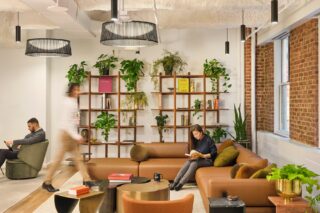
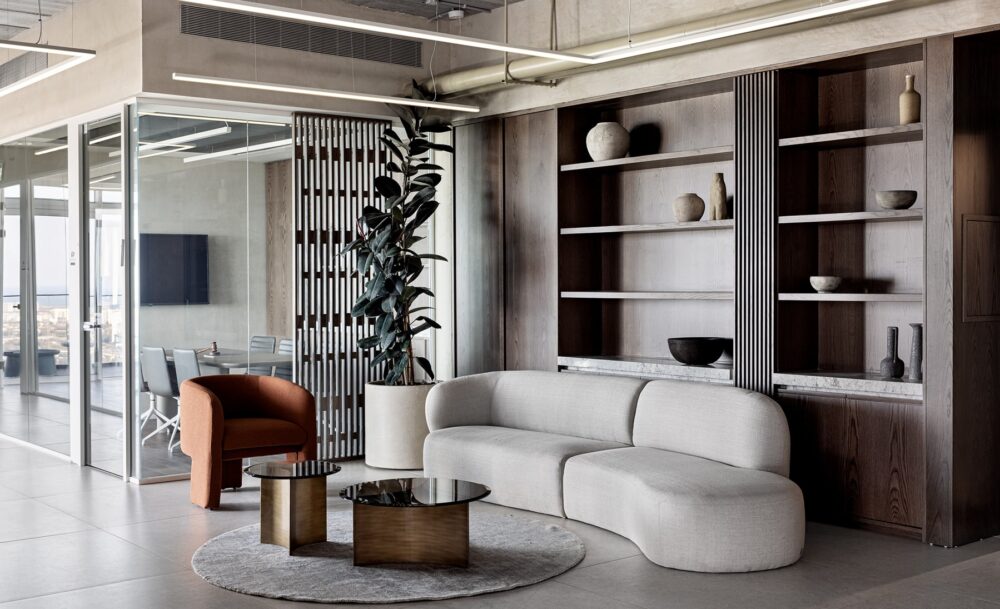
Spec suites have an interesting backstory. They were a cookie-cutter design approach to lease out buildings by helping potential tenants visualize how the space could be used. The difference in this particular trend, though, is that suites are not simply furnished. They’re carefully layered with natural materials like wood and flexible and laid-back layouts, making people feel at ease as soon as they walk in.
Every design decision is intentional and revolves around the art of well-being. Some staple features of this trend include cozy seating areas, biophilic design, soft and warm lighting, and decorative touches like throw cushions and wall decor, including paintings and murals.
To bring that flexibility to life in projects, I like to include different zones, giving people options for their changing work needs. Most people’s days aren’t static, where they’re jumping between tasks and meetings.
Nothing quite says ‘deep focus’ like the classic desk and office chair setup. Booths have also entered the modern office scene, doubling as a refuge for team members to dial into an online call. Lounge-style seating, on the other hand, sets the relaxed tone that’s perfect for impromptu chats. Also, I find that modular furniture, including movable desks, is the best way to go for flexible floor plans that adapt to teams’ needs on the fly.
It’s all about curated comfort, and designers are honing in on creating workplaces that are stimulating and sophisticated but also inviting, so going into the office is something to look forward to.
The Power of Color
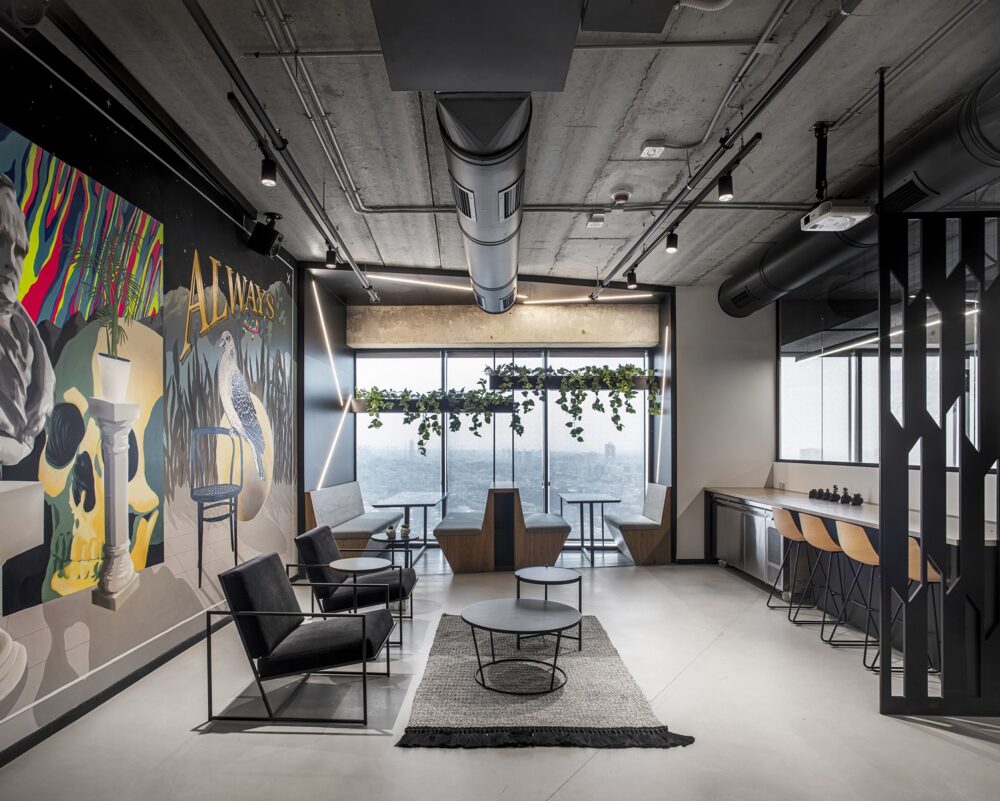
We’re also seeing that emphasis on well-being extend to colors, and how they shape our mindsets and emotions. Color psychology is now at the forefront of office design. Fascinating studies have explored these connections, bringing to light findings that are changing how we approach office design. Colors are, in fact, linked to productivity, and saturated colors can even change our blood pressure.
So, designers are moving beyond the ‘classic’ office colors, like gray and white. We’re seeing color psychology pan out in office design, where each color has a distinct role and impact on people’s mental and even physical states. Bold and bright tones are energizing and stimulating, pale pastels are relaxing, and earthy tones like deep forest greens are wonderful for grounding in the craziness of a 9 to 5.
Colors make offices feel alive, and connecting palettes with psychological states also links them to the human experience. It’s a nod to how our surroundings ultimately shape our inner state of mind.
Video Call-Perfect Meeting Rooms
Designers are moving away from traditional, oversized boardrooms and towards smaller, smarter meeting zones created for hybrid collaboration. It’s all about reinforcing digital and human connectivity.
Meeting rooms are video-first, designed around the camera just as much as the people. Designers are also paying close attention to lighting and how it looks on camera, making sure it’s soft and flattering with matte finishes to reduce glare in video calls.
Efficiency and ease of use sum up these rooms. Meeting rooms are molded around people’s tech and team needs. They’re designed to feel welcoming, staying clear of clutter, meaning teams can stay on task and avoid sensory overload.
Whether team members are dialing into a call virtually or sitting around a table, they feel included. The design decisions here celebrate choice and a hybrid model of work.
The Technology that’s Redefining Office Life
Smart technology is finally becoming practical. Right now, the most meaningful shift is toward privacy-first sensors that mean a building can respond to users without tracking them directly. These smart systems can adjust lighting, airflow, and even cleaning schedules based on actual occupancy. It’s low-key, but makes all the difference in terms of comfort and efficiency.
We’re also seeing a quiet surge in infrastructure upgrades like power over Ethernet lighting, raised access flooring, and modular power systems. Thanks to these tools, floor plans can be reconfigured without having to go in and tear them apart. That kind of flexibility is essential now.
AI is starting to play a bigger role, too. Designers aren’t just using it for space planning on paper, but for real-time optimization. AI-powered tools help designers figure out which spaces aren’t actually being used much, where people tend to naturally gather and socialize, and even which rooms need attention after lots of use. It’s not flashy, but it’s changing how spaces are managed behind the scenes, and that directly impacts the user experience.
The best-designed offices don’t purely hinge on maximizing efficiency. They remind teams exactly why it’s worthwhile to come into the office, empowering them to show up as motivated and productive professionals.