


As the wellness industry surges toward $10 trillion, new shifts—from human-centered design to women’s health, sensory branding, and climate resilience—are reshaping how architects and designers plan the spaces of the future.
In a hurry? Here are the key takeaways:
- Wellness is a $10T design driver—not a niche add-on: With the Global Wellness Institute projecting growth to $10 trillion by 2029, wellness is now a core economic force shaping briefs, amenities, and user expectations, making it essential for designers to integrate health-driven strategies from the outset.
- Shift from high-tech optimization to human-centered, sensory design: The “revenge of the human” signals a pivot toward emotional, social, and sensory experiences (connection, meaning, self-expression), pushing designers to prioritize tactile materials, spatial storytelling, and analog experiences over purely data-driven environments.
- Emerging niches (women’s health, scent, resilience) are redefining program and space typology: From women-focused longevity clinics to scent-driven branding and disaster-resilient multipurpose spaces, wellness is fragmenting into specialized design opportunities that require new typologies, partnerships, and technical knowledge.
Despite the economic slowdown, the wellness market, already an integral element of the design world, is continuing its off-the-charts growth. The Global Wellness Institute estimates that products and services oriented towards healthful living represent $6.8 trillion in overall spending and projects that will rise to about $10 trillion by 2029.
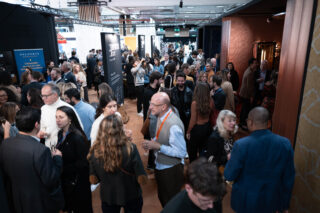
This dynamic sector of the economy is changing fast because of new research and new consumer fads. Earlier this year, at its annual summit, the Global Wellness Institute released its Future of Wellness 2026 Trends report, which upends preexisting beliefs and practices. Indeed, at the report’s release in Manhattan earlier this year, the Wellness Institute’s vice-president of Research and Forecasting Beth McGroarty declared:
“This year, 2026, is going to be a year of big changes and shakeups in wellness.”
The wellness sector’s continued expansion—despite economic headwinds—signals long-term demand for health-integrated environments. For architects and designers, this means wellness is no longer optional but a baseline expectation across hospitality, residential, workplace, and mixed-use projects.
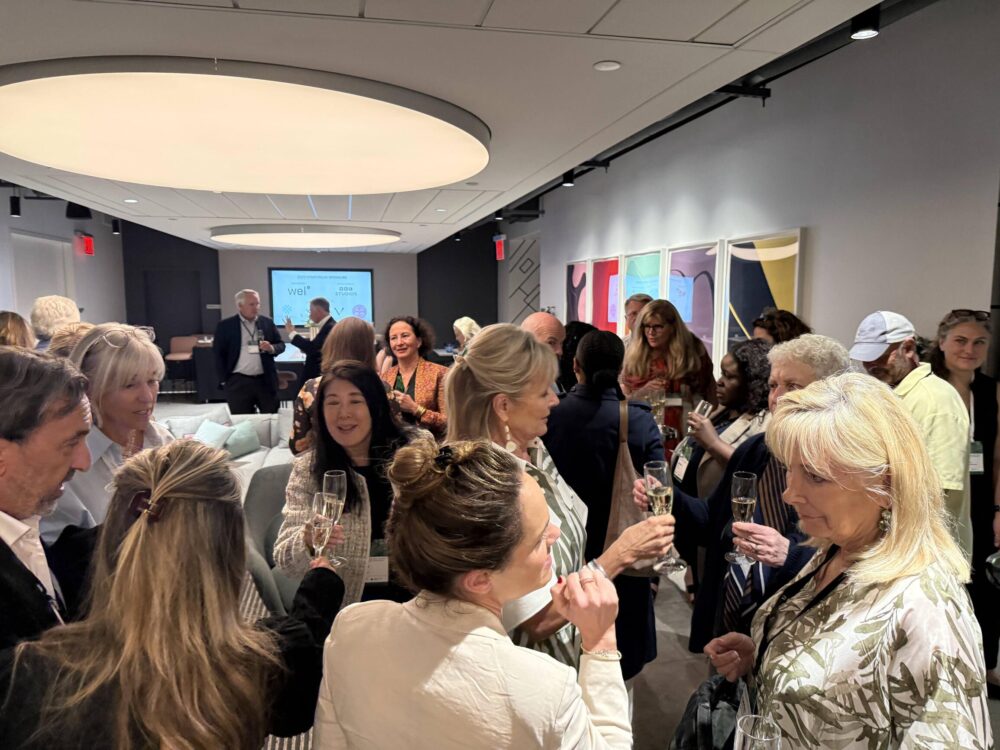
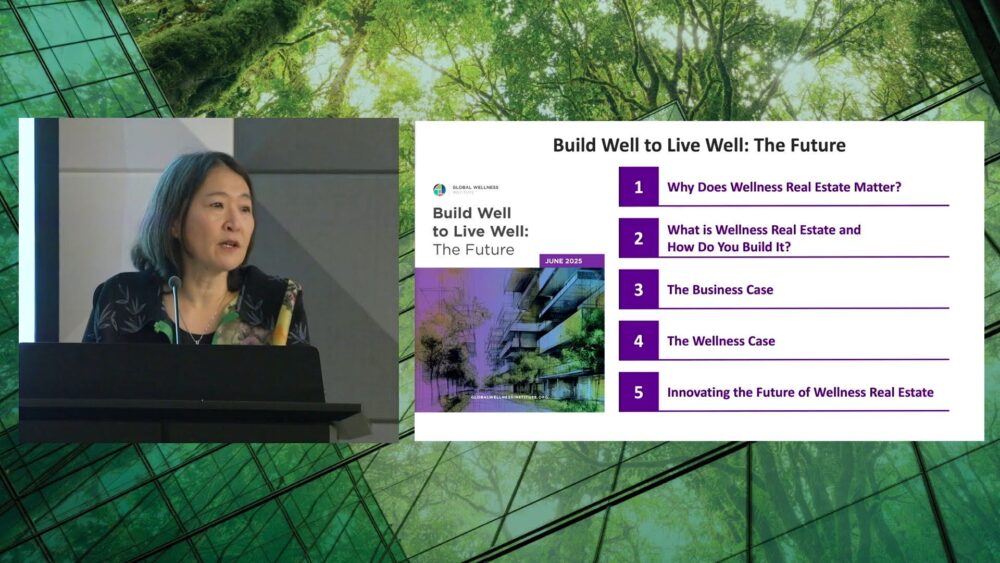
For architects and designers, this means wellness is no longer optional but a baseline expectation across hospitality, residential, workplace, and mixed-use projects.
Several New Trends Represent a Backlash Against Tech-based Solutions
In addition to ten new trends, there is an overall change in thinking about how people are approaching wellness that McGroarty identified as the “revenge of the human,” which she said was a backlash against over-optimizing our biology with technology. According to McGroarty:
“This year’s group of trends speak to how wellness will shift to meaning over measurement, catharsis and connection over clinical data, and self-expression over self-surveillance.”
This year’s number one wellness trend, titled “Women Get their Lane in Longevity,” is long overdue, according to McGroarty.
“The longevity market has been shaped by men and mainly caters to them,” she declared.
The most exciting research involves developing ways to avert ovary decline, which is linked to 80 percent of the autoimmune diseases that befall women. McGroarty notes that ovarian therapies under development today have the potential to stop menopause completely. New ovarian aging tests involving the Anti-Müllerian Hormone (AMH) marker and next-generation biomarkers will become the new vital signs for women.
As consumers push back on over-quantified health, design must rebalance toward emotional resonance and human connection. This creates opportunities to rethink lighting, acoustics, materiality, and spatial flow to support mental and social wellbeing—not just measurable performance metrics.
Most Important New Trend Focuses on Women’s Health
Some of the longevity health programs for women mentioned at the summit included spas and health facilities designed especially for women. Parsely Health, which has specialized in-patient longevity laboratories for women in Los Angeles and New York City thatincorporate full Dexa scans for bone density and hundreds of other biomarkers. Wellness resorts are also incorporating women-centered longevity programs, such as Shaw Wellness resort in the state of New Mexico and Canyon Ranch in Massachusetts.
Another trend involves proprietary fragrances, which are becoming more prevalent in the design identity for hotels and spas and are projected to become even more common in the spaces we inhabit and visit. The world of fragrances has been dominated by mass-produced homogenized scents, but that is beginning to change, according to Olivia Houghton from the Future Laboratory in England, who compiled research for what is known as fragrance layering, which is the practice of combining scents to create a personalized olfactory identity. Smellmaxxing, a sort of perfume/cologne spritzing competition for special scents, has gone viral with the TikTok generation, and Houghton foresees the increased interest in scents going multicatagory and being integrated into body care, hair care, people’s dwellings, and the home products they use. One example could be a personalized laundry detergent.
[pullquote] The growth of personalized and layered fragrance strategies elevates scent to a key component of brand and place-making. This opens new collaboration avenues between designers and fragrance developers to create immersive, multisensory environments.
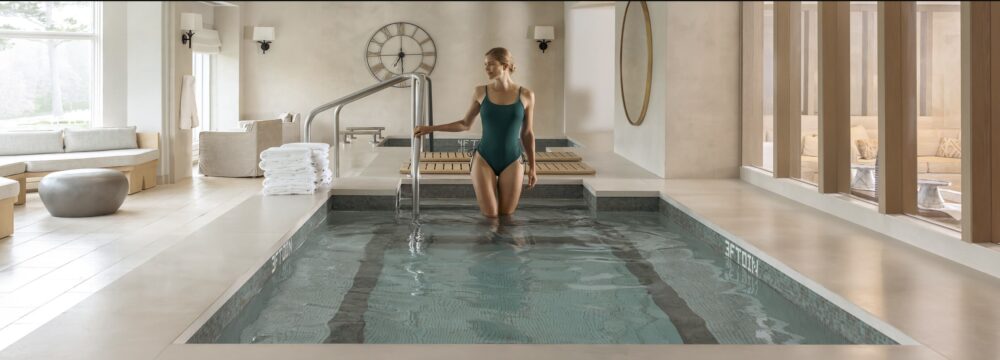
Another trend that expands upon preexisting notions of wellness is known as Disaster Preparation, which has developed in response to climate change anxiety and the increasing prevalence of natural disasters like the 2025 wildfires in California. There is even a specific field in psychology known as eco-anxiety therapy. Researchers at the Global Wellness Summit described how new disaster preparation apps, such as the GeoDjango app, are being developed and how groups such as the Community Brigade in Malibu are leading efforts to help people become better prepared for the next wildfire in Southern California. Potential strategies include making facilities, such as gyms, multipurpose so that they can serve as shelters in times of natural disaster.
The rise of female-focused longevity research and facilities introduces a largely underserved market with specific spatial, medical, and experiential requirements. Designers who understand these needs can lead in shaping next-generation clinics, wellness centers, and hospitality hybrids.
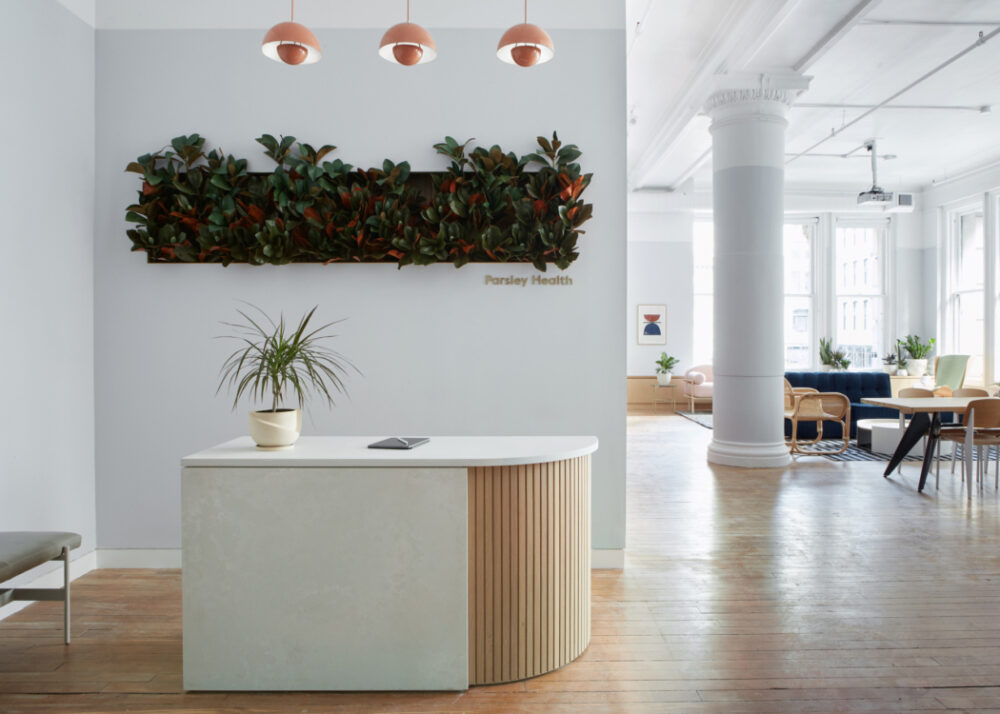
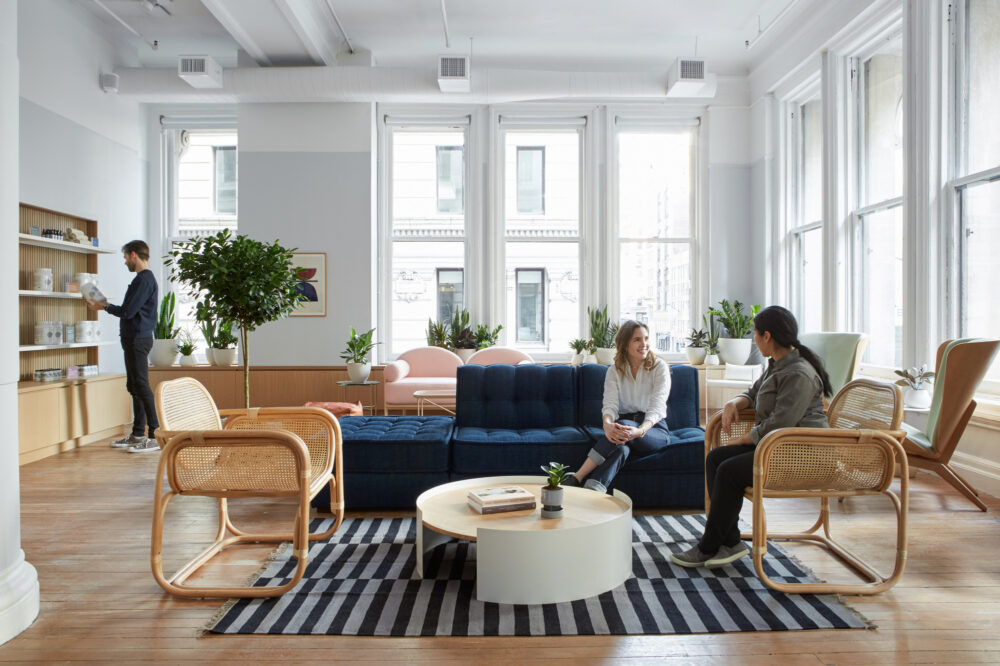
IMAGES: Parsley Health’s NYC Flagship Center. Architect: Alda Ly Architecture / Design Team: Alda Ly, Loretta Choi, Daisy Hook / General Contractor: Birch Construction Group / Photography: Reid Rolls
Wellness Market is Fragmenting and Growing More Complex
The different trends identified by the global wellness industry can seem all-encompassing and sometimes contradictory in that some are dependent upon technology, while others represent a rebellion against it.
“There are so many different types of wellness consumers, so many different mindsets and so many contradictory trends now,” said McGroarty.
But despite all of the ferment in the wellness industry, there does seem to be an overall hunger by consumers for products and services that improve the human condition in a manner that is both holistic and in harmony with the world around us. For the design industry, this translates into adaptable, multipurpose spaces (e.g., gyms as emergency shelters) and infrastructure that supports both everyday wellbeing and crisis response.
With increasingly diverse and even contradictory wellness trends, there is no one-size-fits-all solution. Designers must adopt a more research-driven, client-specific approach, tailoring wellness strategies to distinct user groups, geographies, and cultural expectations.