


At Maison&Objet Paris, industry leaders explored how hotel residences blend architectural heritage, bespoke interiors and hotel-level services to create a new model of luxury living.
At Maison&Objet Paris, the conference How Hotel Residences Reinvent the Design-Driven Guest Experience captured a profound shift underway in contemporary hospitality. Somewhere between the private home and the five-star hotel, hotel residences are emerging as a new typology—one that places architecture, interior design, and narrative identity at the very heart of the guest experience. Moderated by journalist Sylvie Wolff, the discussion brought together Soizic Fougeront (Studio Claves), Robin Michel (Iconic House) and Michael Dayan (HighStay), each offering a complementary perspective on how space, service and storytelling now intersect.
The starting point was clear: post-Covid lifestyles have intensified the desire for privacy, space and flexibility, without diminishing expectations around comfort and service. Hotel residences respond to this paradox by hybridising two worlds, offering the intimacy of a private interior alongside the operational standards of luxury hospitality. Guests are no longer confined to rooms; they inhabit fully designed apartments or houses, often large enough to host families, friends or professional gatherings, while benefiting from concierge services, housekeeping, chefs and curated experiences.
For designers and architects, this model radically expands the scope of responsibility: the space must feel lived-in and personal, yet robust enough to support hotel-level use and staffing.
The House as Identity: Location, History, and Narrative
One of the strongest messages from the panel was the importance of anchoring each project in its geographic and historical context. At Iconic House, every property begins with what Robin Michel describes as a “fil directeur”: an existing architectural story that can be revealed rather than overwritten. Whether in Provence, Hossegor or Megève, the house is conceived as inseparable from its region, its craftsmanship and its cultural landscape.
“An iconic house is not just a beautiful house. It has a history, it is located in a region, and you have to draw a strong thread from that.” — Robin Michel, Co-founder, Iconic House
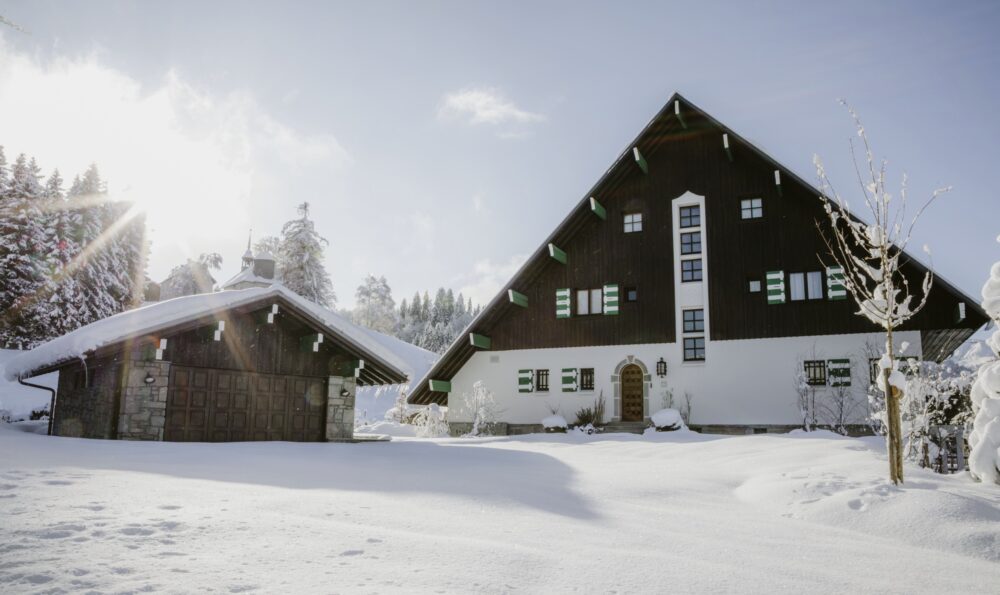
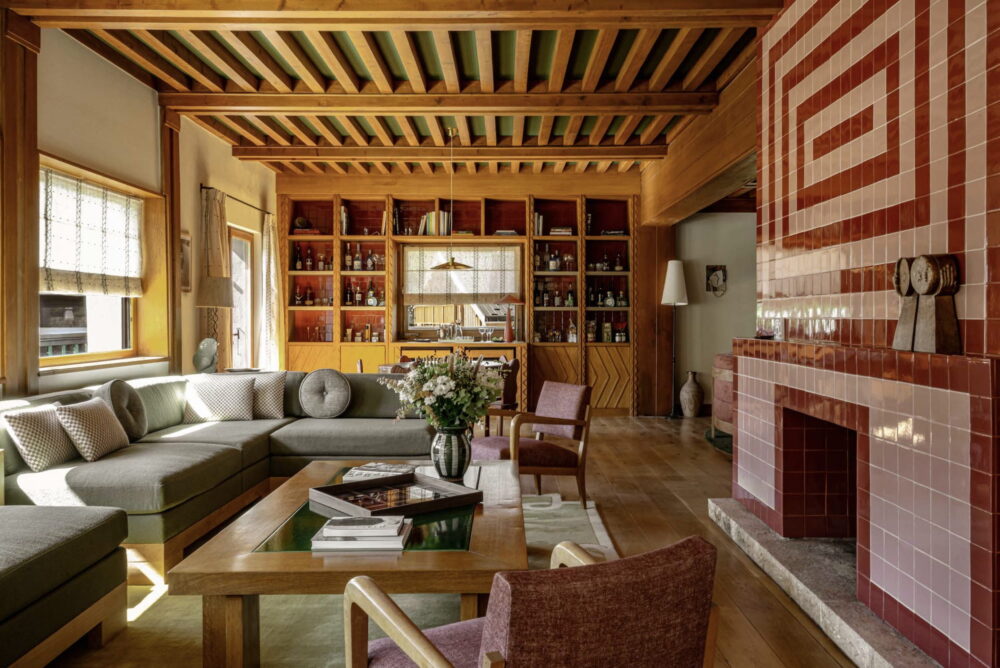
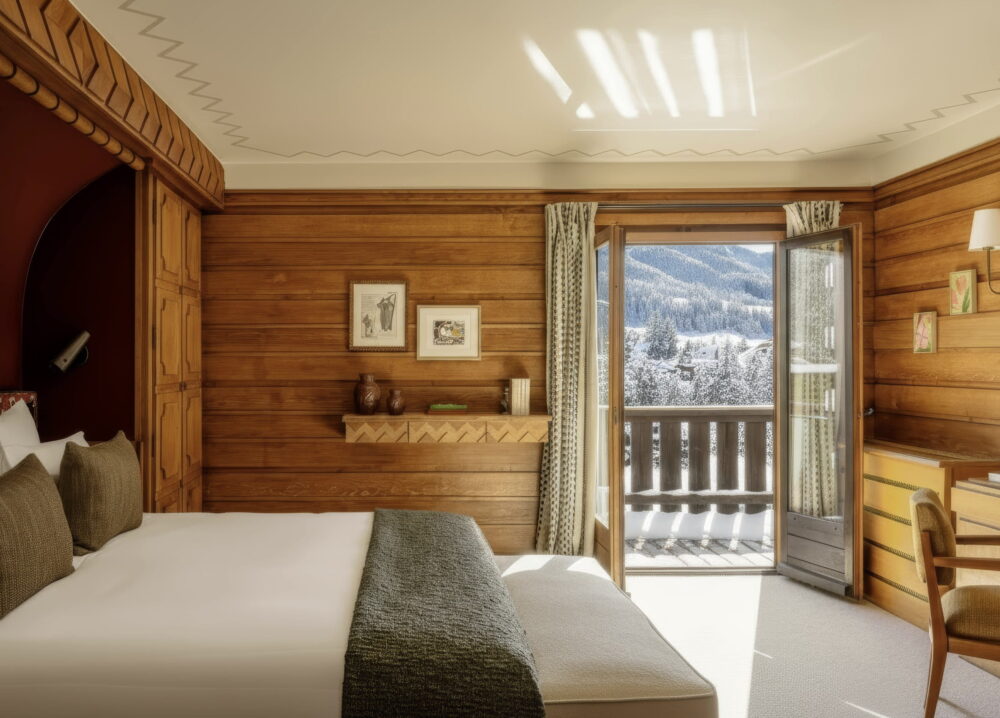
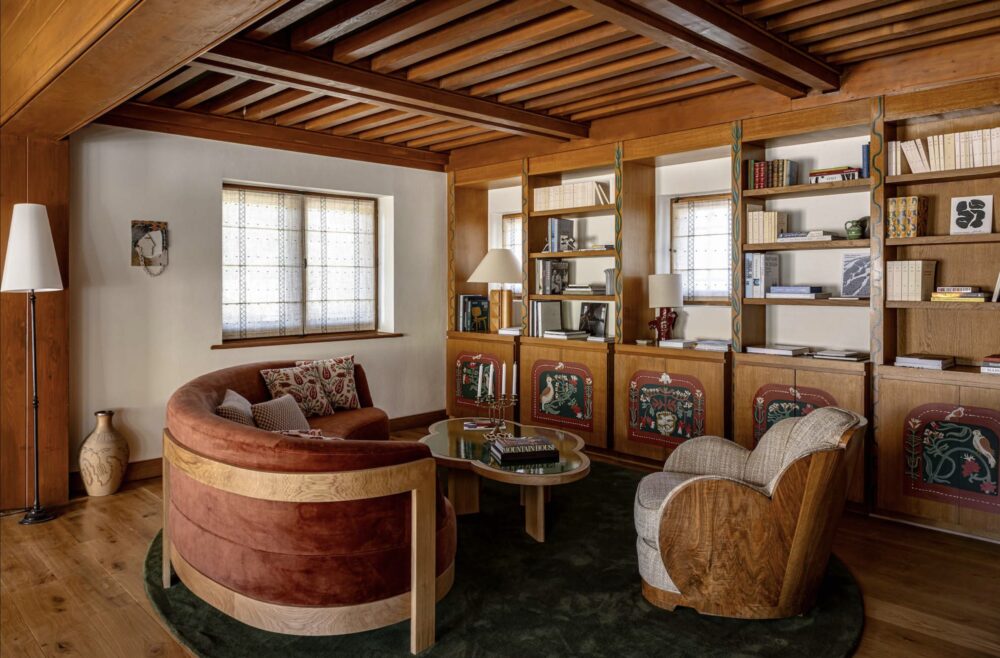
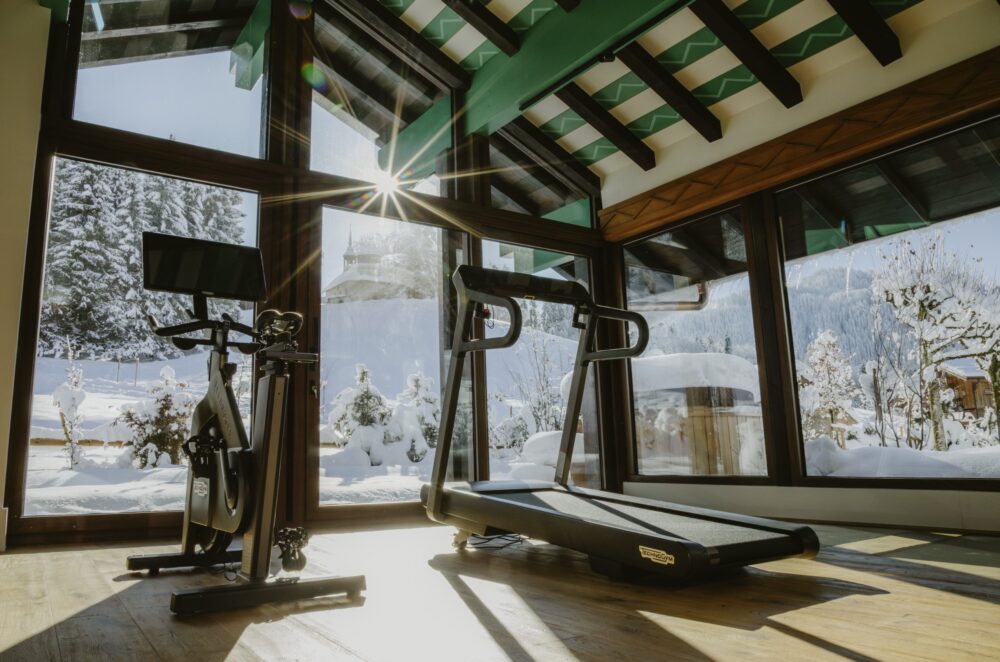
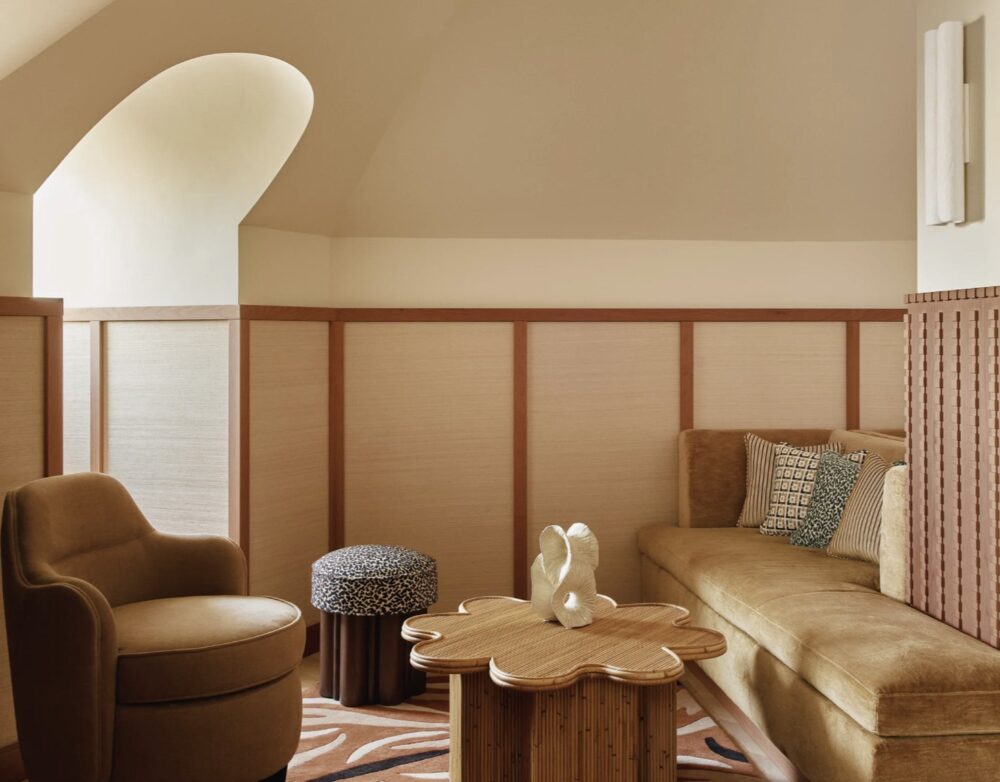
The Chalet Sarto in Megève exemplifies this approach. Originally designed in the 1940s by Henry-Jacques Le Même, a key figure in shaping the alpine “chalet du skieur,” the project required a deep understanding of architectural heritage. Studio Claves chose to restore original sculpted woodwork, furniture and colour palettes, while extending the building to accommodate contemporary expectations of wellness, connectivity and comfort. The result is not a pastiche, but a dialogue between eras, one that preserves architectural integrity while projecting it into present-day luxury standards.
“We didn’t want to invent something out of thin air, but rather to truly anchor each house in its history, to give it a soul.” — Robin Michel, Co-founder, Iconic House
Brand DNA Versus Bespoke Interiors
While each residence must tell its own story, consistency across a portfolio remains essential. Both Iconic House and HighStay emphasised the need for a recognisable brand DNA—expressed through spatial logic, service standards and design quality—without resorting to uniformity.
“The challenge is to have a strong concept that can be applied everywhere—in architecture, materials, furniture, and artistic curation—while remaining clear to the customer.” — Soizic Fougeront, Co-founder, Studio Claves
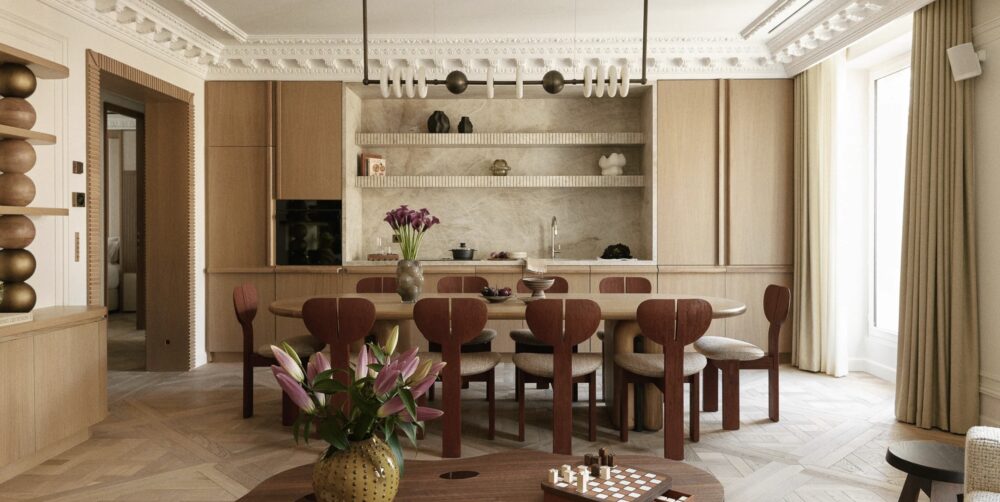
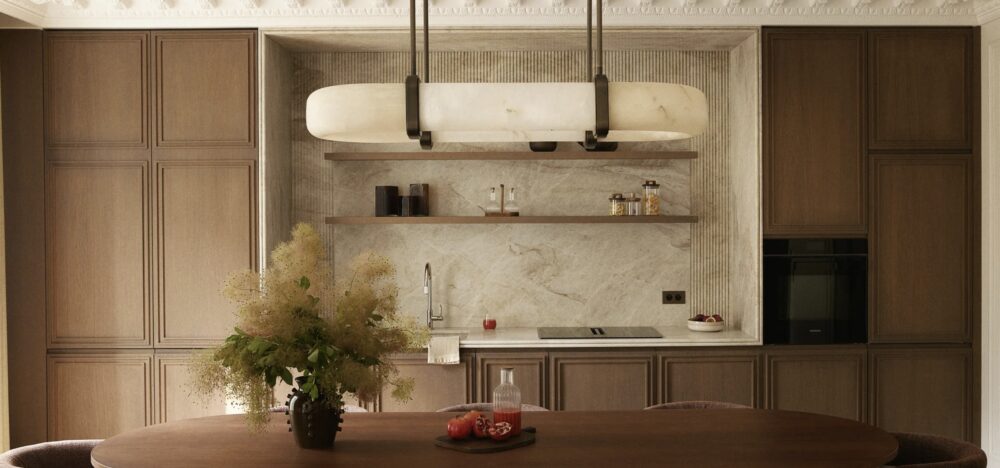
HighStay’s Parisian apartments illustrate this balance. Located in historic Haussmannian buildings, each unit is fully reconfigured to meet contemporary living patterns: open kitchens, rethought circulation, en-suite bedrooms and generous reception spaces. Yet each apartment retains its own identity through bespoke decoration, curated furniture and collaborations with different interior designers, from in-house teams to external studios.
For architects, this hybrid brief sits somewhere between residential and hospitality design: strong concepts, durability and clarity of use, combined with emotional resonance and domestic warmth.
Rethinking Occupancy: Beyond the Overnight Stay
Hotel residences face operational challenges similar to traditional hotels, particularly around occupancy rates. The response, according to the panel, lies in expanding usage scenarios. Properties are increasingly designed to host more than leisure stays: creative seminars, brand retreats or “iconic work sessions” that leverage exceptional locations as catalysts for productivity and inspiration.
“We want to offer a more immersive travel experience, combining the best of luxury hotels and short-term rentals.” — Michael Dayan, Co-founder, HighStay
This shift has direct spatial consequences. Designers must anticipate multiple modes of occupation—professional, familial, social—within a single property. Large communal spaces, flexible dining areas and seamless service zones become essential tools for economic viability as much as for user experience.
The conference concluded on a shared conviction: hotel residences represent a mature evolution of luxury hospitality, not a trend. They demand five-star service levels, but place design excellence at the core of value creation. Architecture, interior design, and curation are no longer decorative layers; they are strategic assets that define identity, justify premium positioning, and create emotional attachment.
For design and architecture professionals, the message from Maison&Objet is unmistakable. The future of hospitality will belong to those who can think like hoteliers, designers, and storytellers at once, crafting spaces that feel like homes, perform like hotels, and resonate like cultural destinations.