


By Katelyn Siple
A 10-year global cost study by EthosEQ reveals that modular meeting rooms from Mute significantly outperform traditional drywall construction in cost, carbon, and adaptability across evolving lease cycles.
In a hurry? Here are the key takeaways:
- Lifecycle savings accelerate quickly:Modular rooms become significantly more cost-effective after just one reconfiguration cycle.
- Carbon and cost are linked:Reuse dramatically lowers embodied carbon compared to repeated demolition and rebuild.
- Flexibility protects asset value:Faster installation and relocatability reduce downtime, vacancy risk, and stranded asset exposure.
In today’s evolving workplace, organizations are facing growing pressure to design office environments that can adapt to changing team structures and work patterns. At the same time, construction now represents roughly two-thirds of fit-out costs, and office build-out expenses are projected to rise 3–5% annually in the coming years. Lease terms are also becoming shorter and more flexible, averaging between five and seven years in many markets.
The rigid designs of traditional office layouts require permanence because of fixed drywall partitions and hard-wired electrical systems. Yet business conditions now change faster than the physical environments designed to contain them, requiring demolition or reconstruction. In response to this mismatch, modular room systems have emerged as an alternative approach rooted in adaptability.
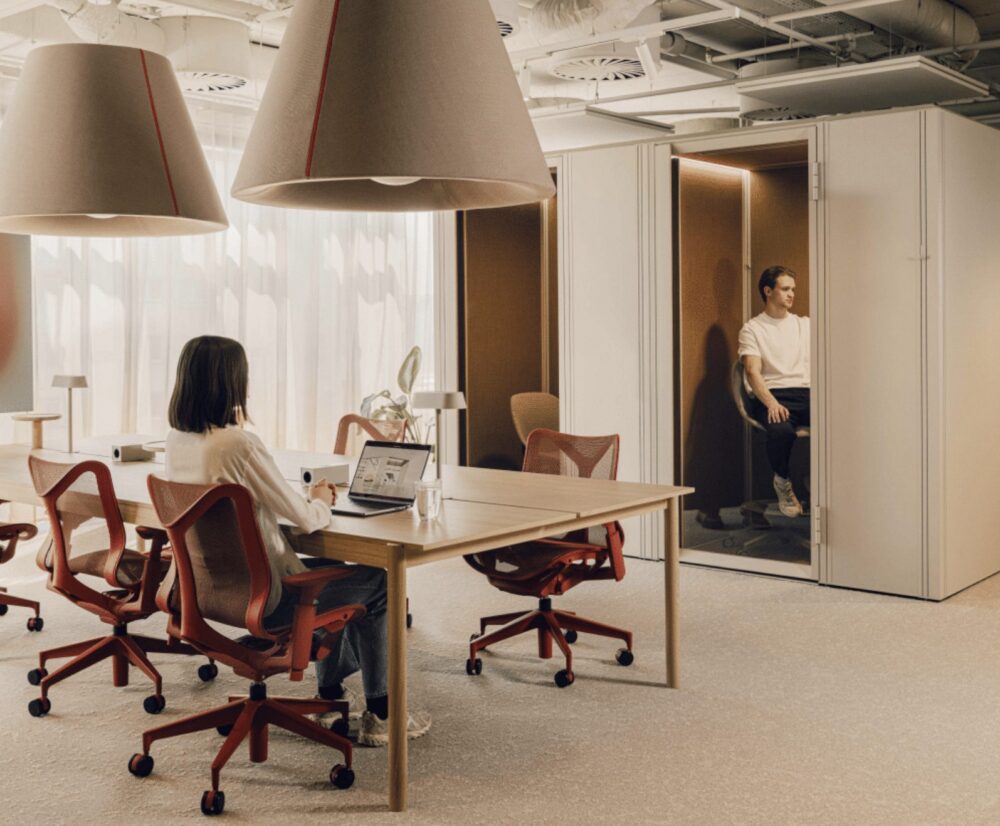
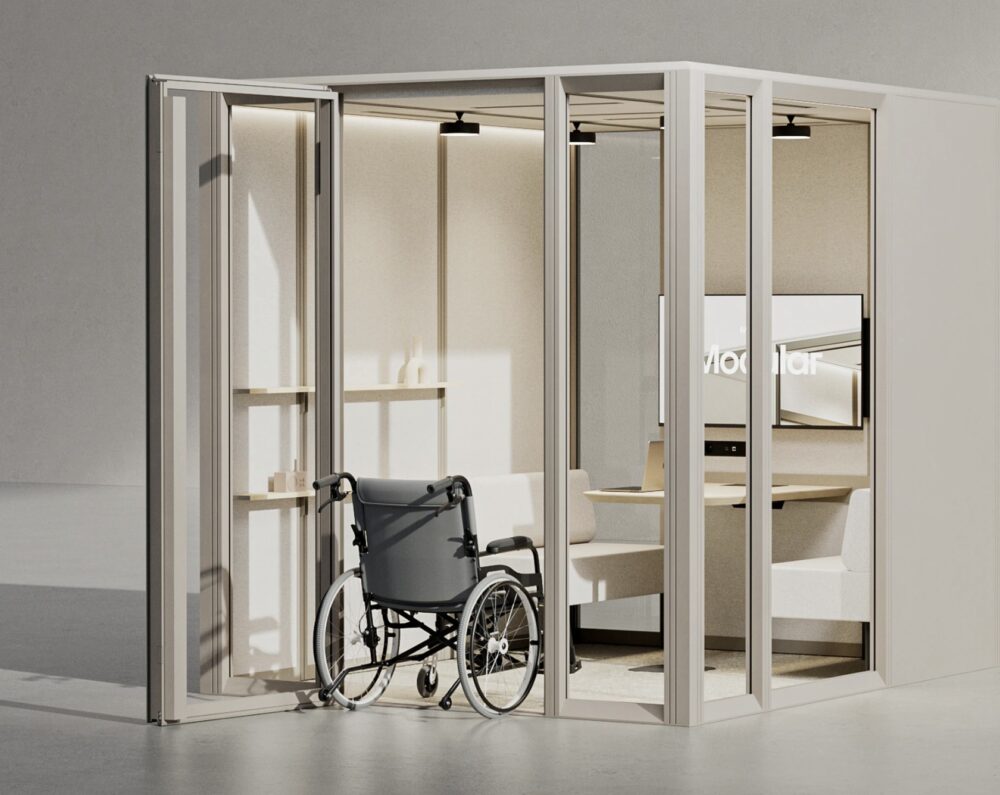
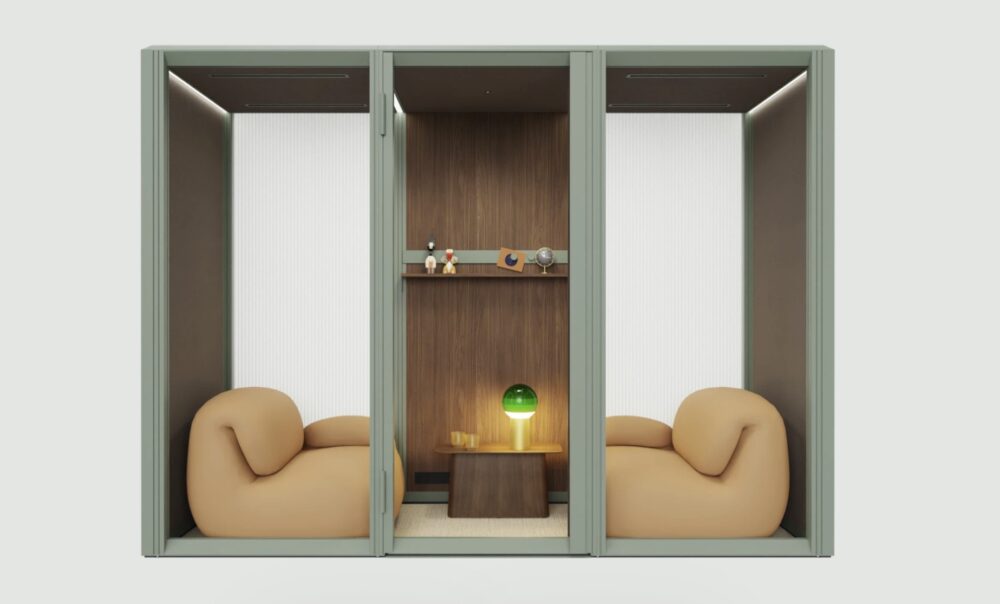
Modular room systems are prefabricated interior meeting spaces ranging from phone booths to eight-person meeting rooms. Manufactured offsite and installed within existing office layouts, they are designed to be reconfigured or relocated without the need for demolition. A recent study conducted by EthosEQ compared the cost efficiency of Mute Modular rooms to traditional office models across 27 markets on three continents over 10 years. The cost analysis was developed independently by EthosEQ Construction Advisors and modeled using five standardized meeting room sizes common to modern fit-outs. The findings offer insight into how modular and traditional build-outs compare over an average 10-year lease lifecycle.

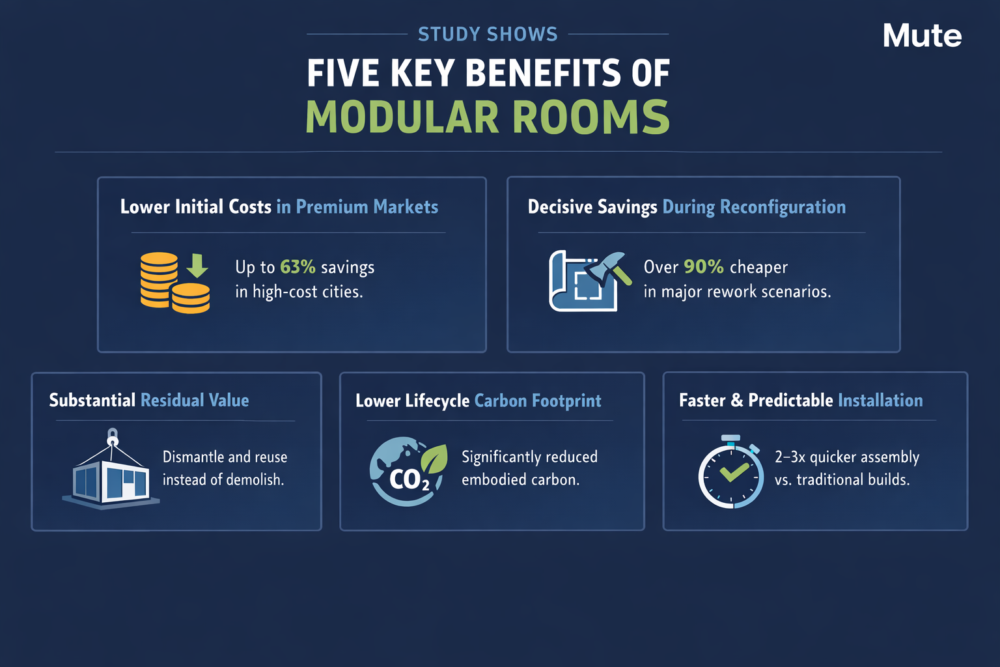
The 10-Year Lifecycle Cost Comparison: Modular Rooms vs. Traditional Build-Outs
The study defines lifecycle cost as installation, reconfiguration, and lease-end reinstatement. Modeled after the length of a typical commercial lease, the research focuses not only on day-one construction costs but also on reconstruction based on the evolution of the company. Four scenarios were specifically evaluated: initial construction, a 25% reconstruction at year three, a 75% reconstruction at year seven, and end-of-lease reinstatement. The cost model was applied across 27 markets in Europe, the Middle East, and the Americas to reflect differences in regional construction costs.
The analysis reflects practical layout changes due to organizations adjusting headcount and working styles, and reallocating space. As a result, meeting rooms are often relocated, resized, or removed. By examining reconstruction costs over time, the study moves beyond initial installation costs to how each model performs practically under real-world conditions.
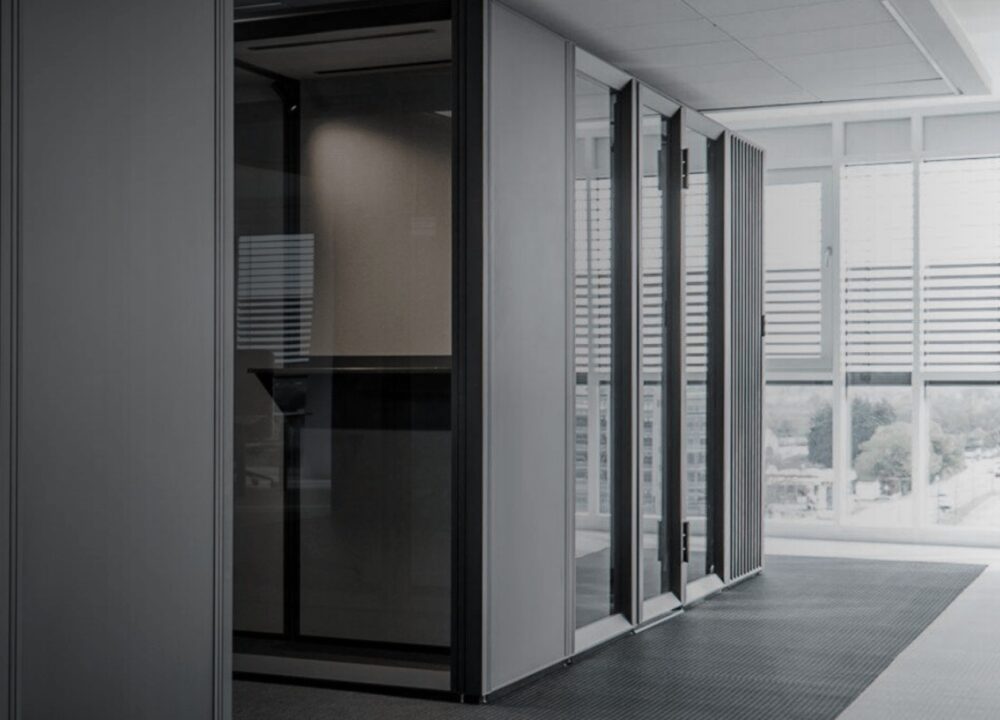
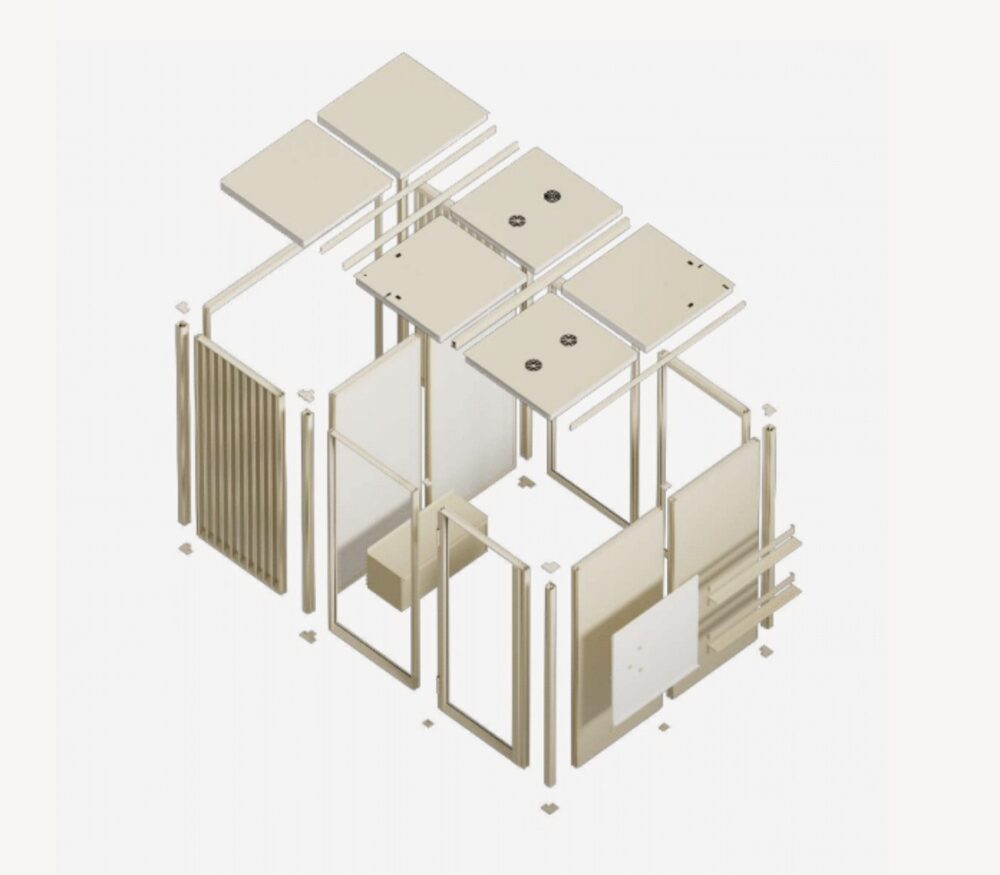
How Modular Rooms Compare to Traditional Build-outs Over Time
The study’s findings indicate that modular rooms were already competitive in high-cost markets at installation. In London, modular rooms were about 37% cheaper, followed by 31% in Zurich. Paris also demonstrated notable savings at 12%, showing that modular rooms are already beneficial at installation in markets with high construction costs.
The cost advantage becomes more apparent at first reconfiguration during year three with London at 79% and Zurich and Paris following closely behind. As Colin Wood, Managing Director at EthosEQ, noted during a presentation of the study in February 2026:
“The biggest surprise was how quickly the cost-benefit analysis showed modular outperforming traditional construction. It really only takes one cycle of layout change before significant savings appear.”
After the 75% reconfiguration at year seven, traditional meeting room costs were often double those of modular rooms, exceeding 60% in European markets. Modular rooms were reported up to 150% more cost-effective compared to traditional reconstruction. As Wood explained:
“The costs really start to diverge dramatically at that point.”
At the end of a lease cycle, tenants must return the space to the landlord’s original condition, which requires extensive demolition and construction costs for traditional build-outs. This is where the study found modular rooms to be most cost-effective because they can simply be dismantled and relocated. Lease end reinstatement costs were estimated to be up to 3.5 times higher for traditional construction compared to modular rooms, meaning that companies that chose modular rooms were left with a greater asset at lease end instead of the liability of construction costs.
These findings highlight how costs accumulate when office layouts must repeatedly adapt to changing organizational needs. Piotr Kraśnicki, Global Commercial Director at Mute, added during the presentation:
“Buildings usually are not demolished because they are falling apart, but because they no longer meet user requirements.”
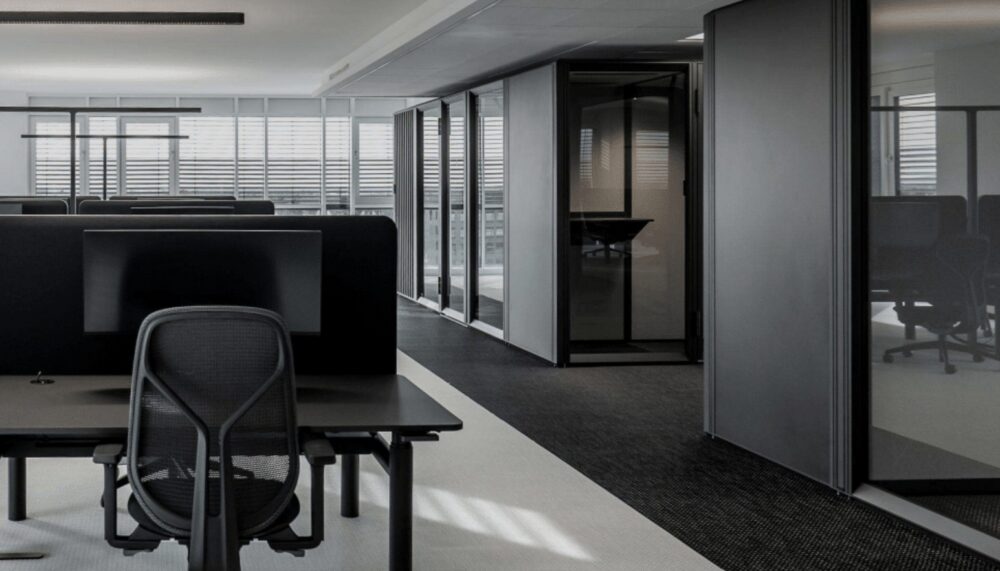
Modular rooms provide greater flexibility over the lifecycle of the lease.
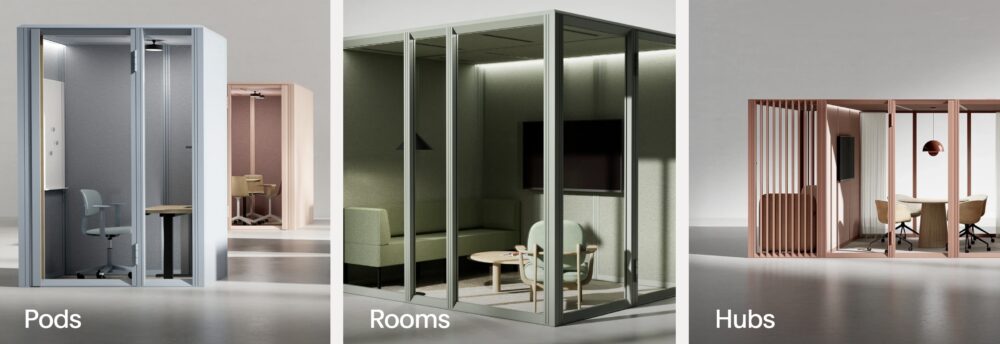
Rethinking Workplace Flexibility and Long-term Investment
As workplace needs change, organizations are beginning to rethink how they invest in office spaces. The workplace is no longer only about upfront construction costs, but long-term adaptability. As companies shift focus to meet growing needs, modular rooms are one potential strategy for reducing costs and prioritizing flexibility in workplace design. Rather than completely replacing traditional construction, modular rooms are part of a broader strategy to incorporate flexible solutions with permanent construction to better align office environments with evolving business needs over time.
“This is not going to replace traditional built meeting rooms. There is absolutely still a place for that, particularly for boardrooms, town halls, and larger flexible meeting spaces, but using modular as part of a mixed portfolio would appear to be the right way to go,” Wood said.
While both traditional build-outs and modular rooms are beneficial in the evolving workplace, modular rooms offer flexibility and greater long-term investment value in higher cost markets compared to the limitations of traditional design. This makes them a viable choice for companies looking to prioritize changing workflow needs without significant financial ramifications.
ASSESSMENT
-
For architects and designers: The significance of the EthosEQ study lies not only in percentage savings, but in its reframing of fit-out as a lifecycle strategy rather than a one-time capital event. As lease durations shorten and embodied carbon regulations tighten, adaptable systems like those developed by Mute introduce a design variable that directly links flexibility with financial and environmental performance. The conversation is shifting from what costs less today to what performs better over time.