


At this January’s Maison&Objet in Paris, the dialogue between heritage and forward-looking design took center stage, from material explorations, savoir-faire, and a visionary talk piece.
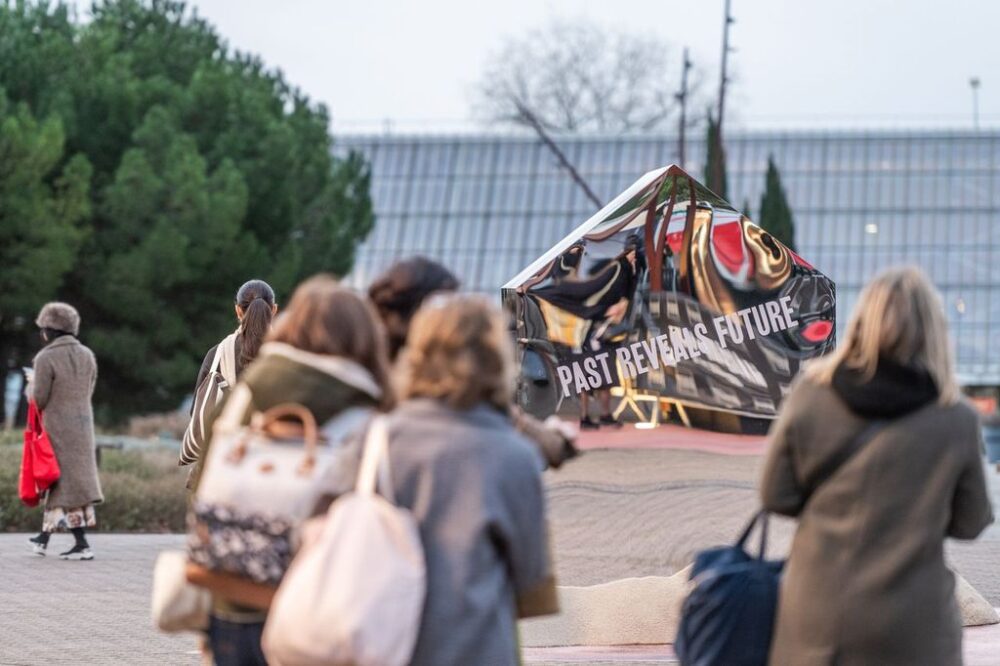
Maison&Objet Paris returned from January 15 to 19, 2026, under the overarching theme Past Reveals Future, a conceptual framework that reframes memory, craft, and material intelligence as drivers of contemporary design. Against the backdrop of ecological urgency and the need for meaningful creativity, the fair positioned materiality, transformation, and artisanal mastery as essential pillars shaping tomorrow’s design landscape.
In line with the fair’s theme this January, the organizers selected Harry Nuriev has “designer of the year”. Known for having coined the term “transformism”, Nuriev explained it as a response to creative saturation. Rather than pursuing constant novelty, he advocates reworking what already exists—objects, histories, materials—as a more relevant and responsible design methodology for today.
“Transformism is not about creating something new. It’s taking what’s been around and trying to twist it in some way,” Nuriev stated in a talk.
In Materia: A Sensory Journey into Materiality
Designed by curator Elizabeth Leriche, In Materia invites visitors into an immersive encounter with raw materials and artisanal processes at the entry of the Fine Craft — métiers d’art sector. The space unfolds across four thematic realms — Germa, Terra, Fusio,and Crypta— each articulating a poetic relationship between matter and imagination, from organic emergence to subterranean mystery. For designers and specifiers, In Materia underscores how material intelligence and craft gestures can inform contemporary practice, encouraging a shift from surface to essence in product and spatial design.
Germa acted as a grounding space where we reconnect to intertwining fibers and organic shapes under the effect of light and water, while Terra recalled earth when it was barely touched and ready to become an object, bringing viewers to admire stone, clay, and soil.
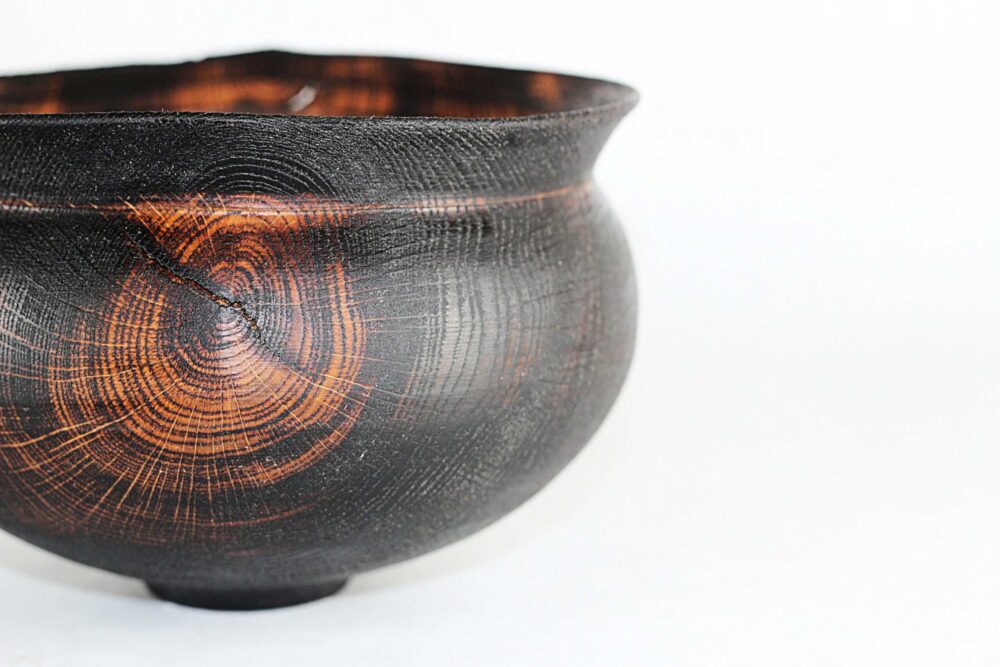
The four themes seen in the installation and ever-inspiring, but they are not new concepts. Still, we remain completely drawn into the power of fire as seen in Fusio. Perhaps it’s the mystery of what gets lost in the flames. Woodworker and sculptor Rémi Boutillon excels in evoking fiery landscapes by using heat that bursts, oxidizes, blackens, and transfigures.
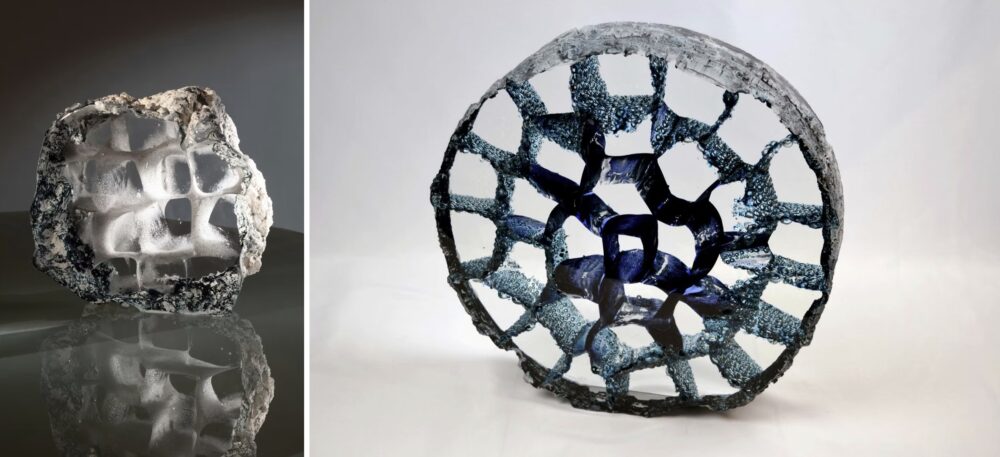
Crypa explored the secret matter hidden within stones and underground territories, most beautifully revealed when fused with glass. Here, we delighted in pieces by Romain Glorieux and Jean François Lemaire, whose craftsmanship goes beyond the visible.
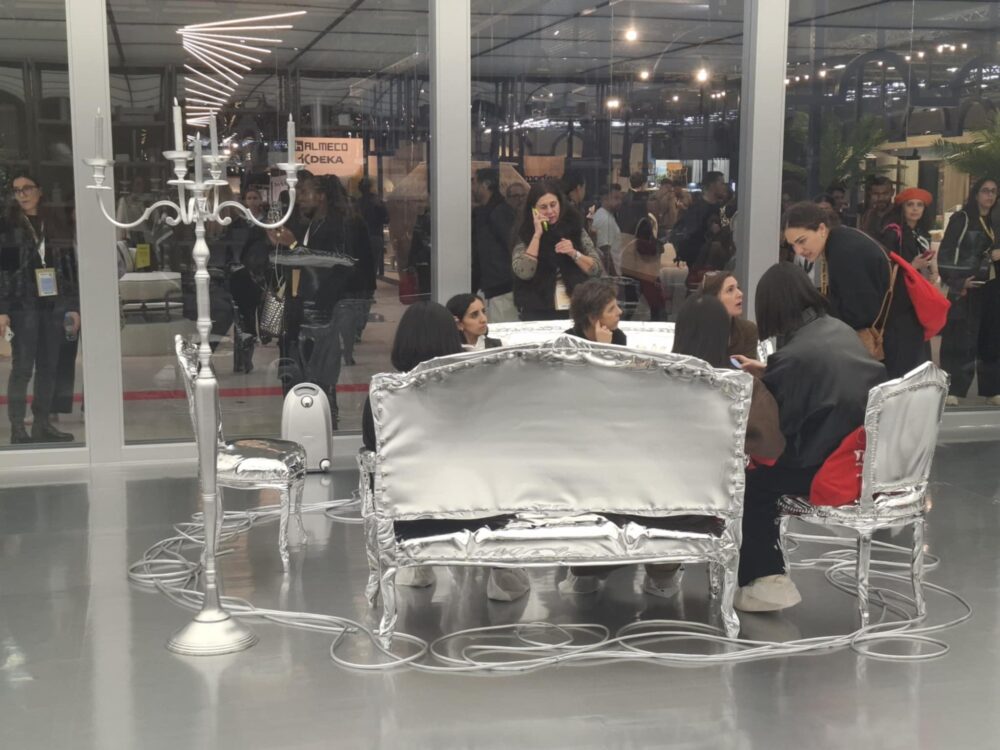
Harry Nuriev: Transformism and the Future of Objects
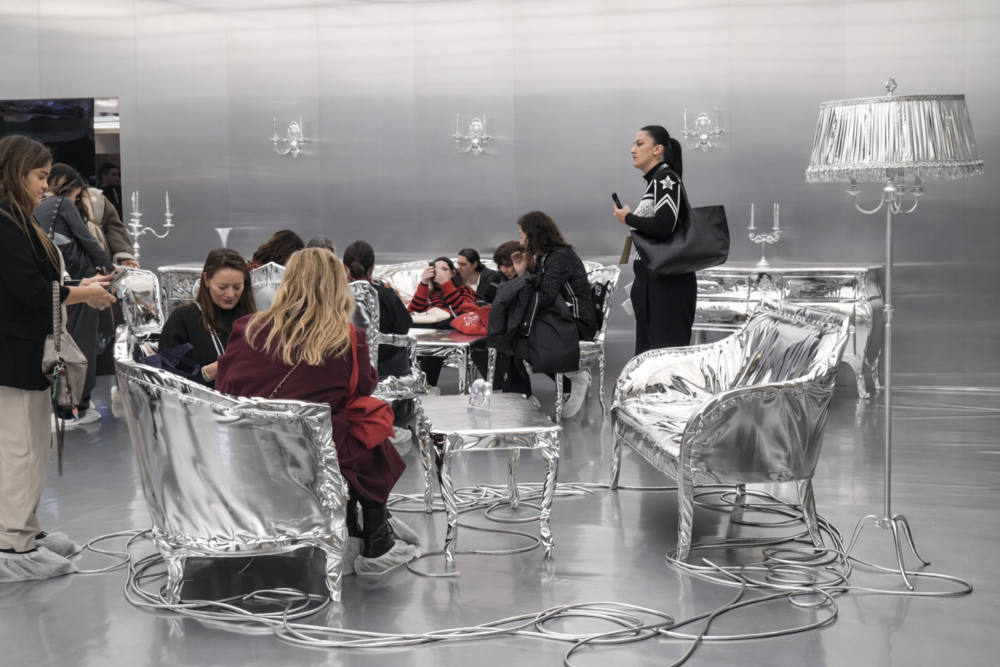
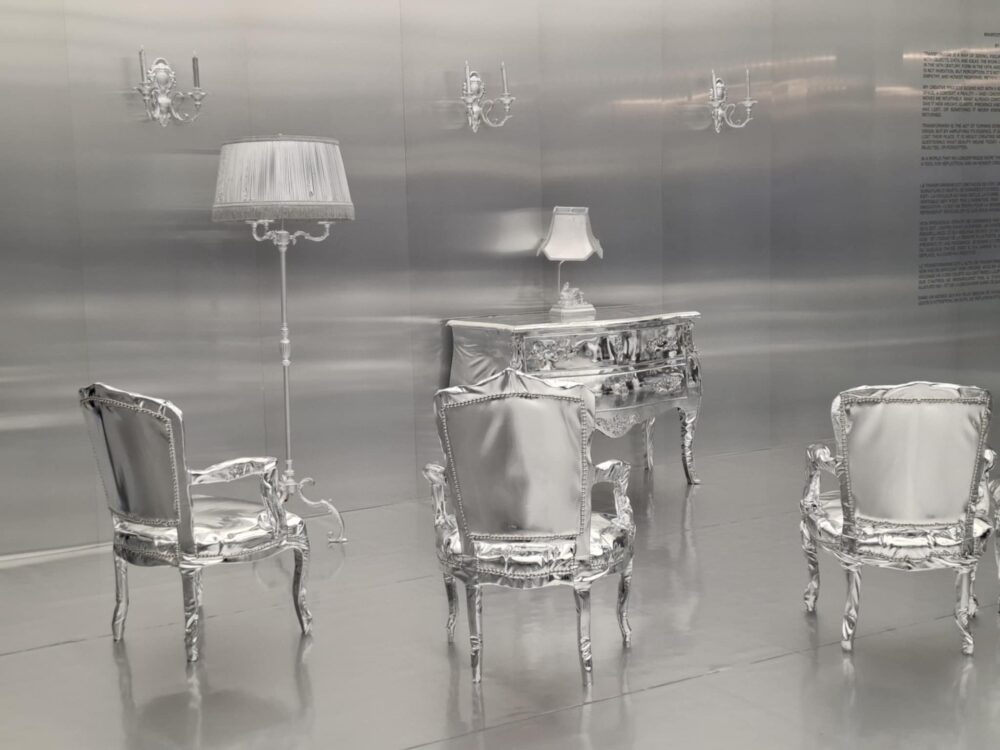
Maison&Objet honored Harry Nuriev as Designer of the Year 2026 for his manifesto of Transformism, an approach that elevates transformation of the existing over ex-nihilo creation. Nuriev’s space — grounded in the fair’s central theme — reframes everyday objects as artefacts of value, questioning what we preserve, discard, or revalue in design practice. Founder of Crosby studios, his work offers a compelling perspective on sustainability and reuse, proposing that creative transformation itself can be a robust design strategy in an age of resource constraints and circular practices.
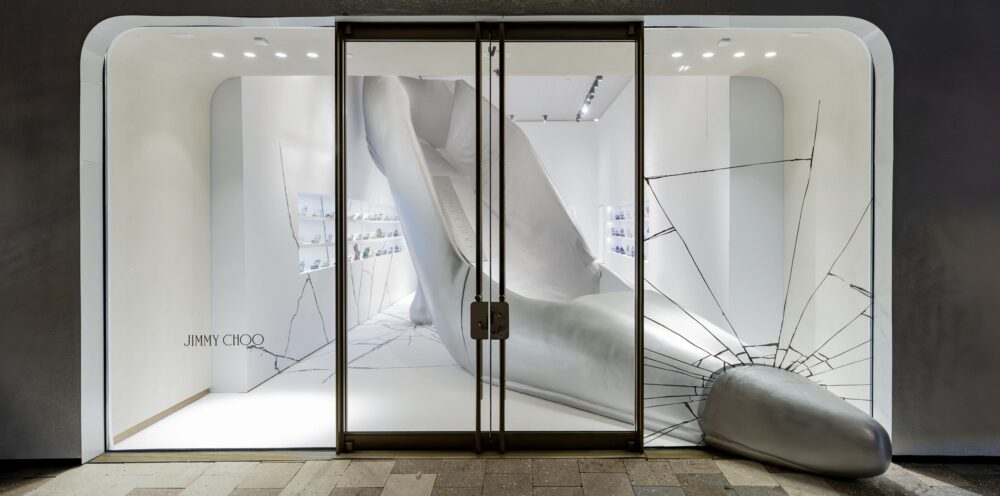
Often received as “disruptive”, Nuriev explained he doesn’t approach projects with the idea of trying to disrupt design codes. Rather, and since the inception of his studios, he aims to reflect on cultural ideologies. He acknowledged the slight hypocrisy or contradiction of working on high-tailored design projects, such as the Miami Art Week installation for Jimmy Choo, and provocative installations that question consumer behaviors. Indeed, the future of design and culture lies within the realms of finding a balance between the two worlds.
“We are overproducing, overconsuming. It’s a good time to start thinking about what’s been done and how we can repurpose it.”
His thinking directly echoes the fair’s Past Reveals Future theme: history and accumulated “data” are not constraints but rich resources. Design becomes an act of reinterpretation, shaped by awareness of overconsumption and excess. He challenges the traditional separation between frontstage and backstage. By exposing construction, discarded elements, and unfinished states, his work reframes imperfection and process as meaningful narratives rather than flaws. Rejecting comfort as an absolute goal, Nuriev argues that emotional resonance, tension, and even discomfort can be more truthful. Design, in this sense, becomes cultural, social, and sometimes political—moving beyond surface beauty.
“Facade is a made-up story. When people see what’s happening behind, they’re actually more interested.”
Manufactures Excellence: Reinterpreting Baroque Through Craft
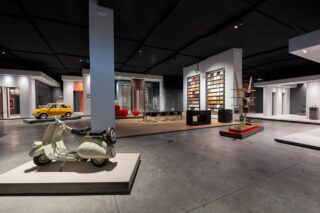
The Manufactures Excellence showcase brought together France’s elite artisanal houses, many holding the Entreprise du Patrimoine Vivant label, to explore technical mastery and cultural legacy. Anchored in the broader trend of Baroque Revisited, this installation refracted historical richness through contemporary sensibilities — privileging refinement, theatricality, and collectible uniqueness. For architects, product designers, and curators, this installation exemplifies how traditional excellence can be marshaled into design that feels both rooted and innovative.
With Manufactures Excellence, traditional savoir-faire is not preserved as heritage alone, but projected forward through bold, sometimes baroque reinterpretations that speak to today’s collectors and specifiers.
Maison&Objet 2026 demonstrated that today’s most compelling design conversations are rooted in material depth, craft heritage, and transformative thinking. Through curated installations like In Materia, Harry Nuriev’s Transformism, and the Manufactures Excellence village, the fair offered professionals not just products, but frameworks for engaging with design’s past to shape its future.