

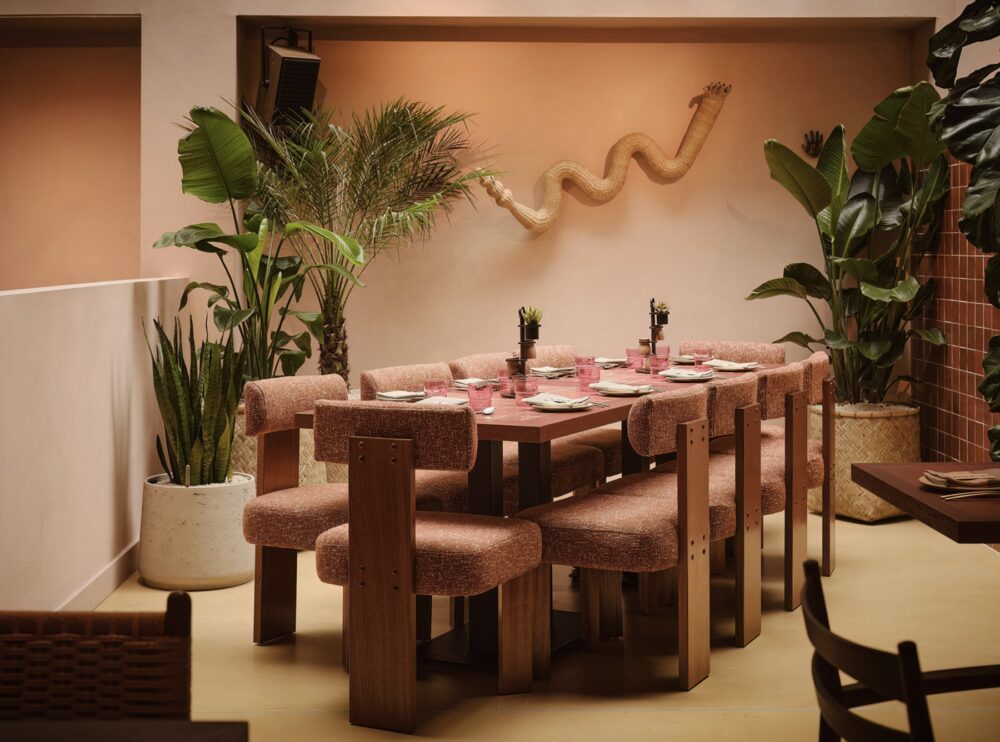

During the Maison&Objet Talks, a panel of Mexican designers discussed how the country’s ancestral crafts merge with contemporary design, featuring volcanic stone, cactus leather, and more.
In a hurry? Here are the key points to know:
- Craft as infrastructure, not decoration: Mexican designers position craft as an organizational and social system—structuring labor, authorship, and intergenerational knowledge transfer—rather than as a surface aesthetic or nostalgic reference.
- Regenerative materials rooted in place: From cactus-based leather and volcanic stone to agricultural byproducts like corn husks and cochineal dyes, material innovation is grounded in cyclical, low-impact systems that merge ancestral techniques with contemporary performance.
- Hospitality as a living laboratory: Restaurants and hospitality projects serve as testing grounds where craft, community economies, and regenerative materials operate at scale, embedding care, collaboration, and cultural continuity into everyday spatial experiences.
At Maison & Objet Paris, Mexican designers presented a practice grounded in craft, intergenerational transmission, and regenerative materials, proving that contemporary design can be both timeless and radically local. The designers and curators made a clear, repeated case: The past is not nostalgia but a toolkit. Whether through volcanic-stone thrones, corn-husk marquetry, or cactus-based leathers, the work presented fuses ancestral techniques with contemporary briefs. Hospitality projects and furniture showcase prioritizing craft, community, and regenerative materials.
The panel featured Sebastian Riant of Luteca, Paulina Resendiz of Basalto Collective, and Alessio Nardi of NLD Studio. Together, they explored how Mexican design is reshaping furniture, hospitality, and material culture through craft transmission, regenerative systems, and collaborative production models.
Craft ≠ Decoration: Ensuring Skills Through Program and Community
Mexico’s contemporary design culture is rooted in living craft traditions where materials, techniques, and knowledge circulate through families, workshops, and territories. Rather than treating heritage as nostalgia, designers use it as infrastructure, embedding community economies and intergenerational transmission into contemporary furniture and interiors.
Across the discussion, craft was framed not as surface treatment but as a way of organizing labor, authorship, and collaboration. As Paulina Resendiz put it:
“It’s not just to design pieces. It’s to move in collections. It’s to create platforms.”
Luteca exemplifies this model. Under Cofounder Sebastian Riant, the studio commissions contemporary work grounded in Mexican material traditions while sustaining long-term relationships with cabinetmakers, metalworkers, and stone carvers. The result is furniture that feels timeless, not through historic reference but through production rhythms shaped by transmission rather than trend.
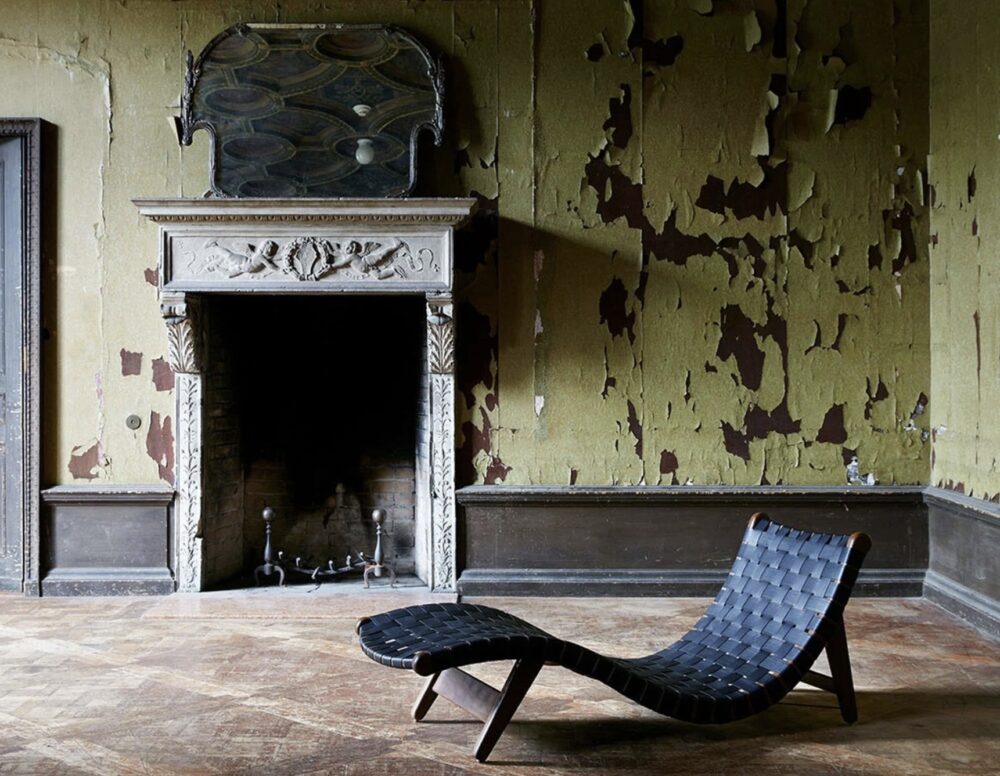
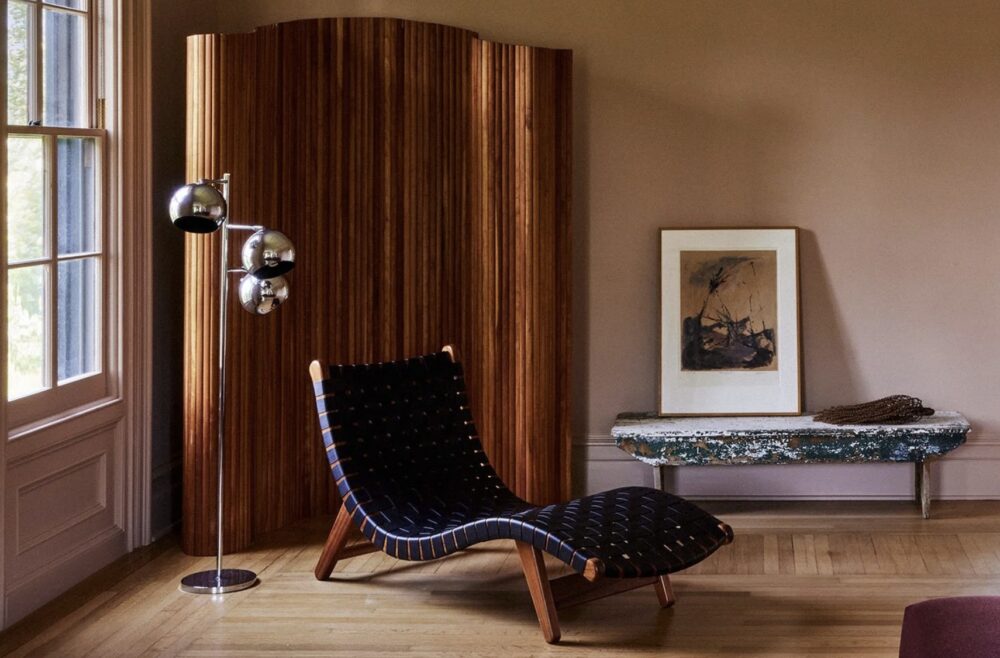
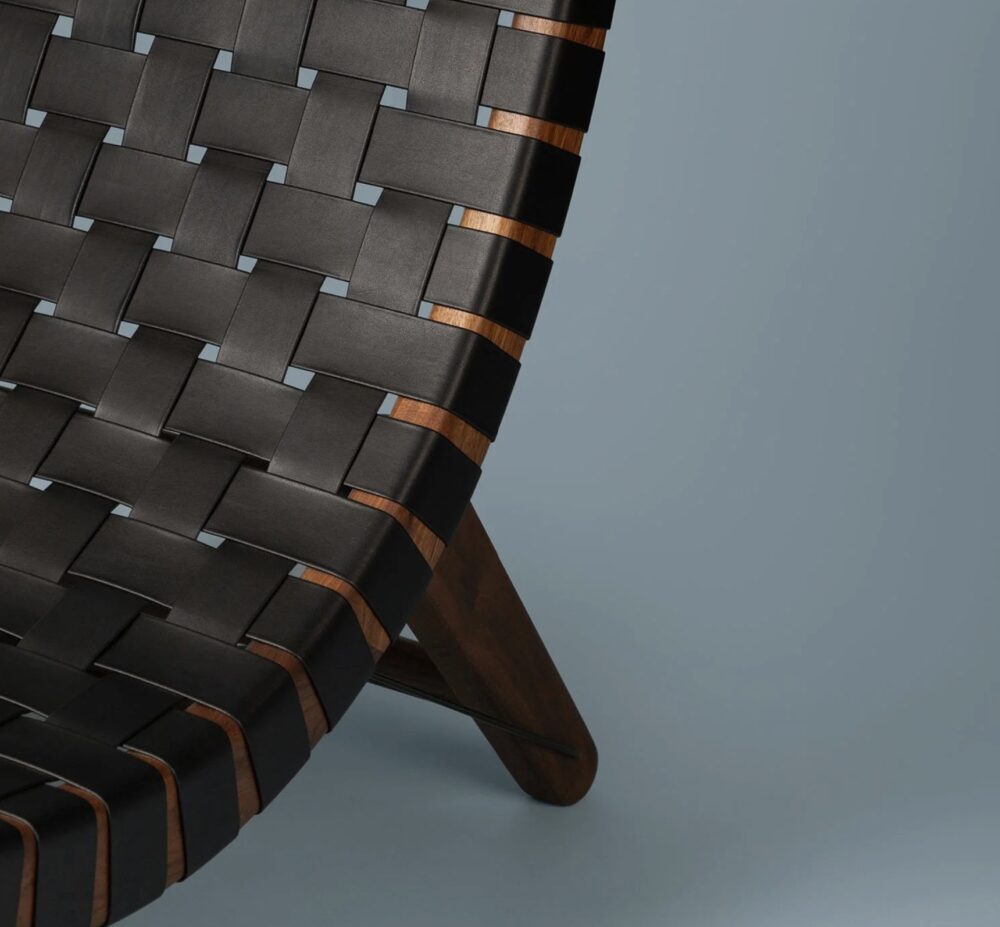
Alacran Chaise, Strapping
Michael van Beuren
One of the winning designs of MoMA’s ‘Organic Design in Home Furnishings’ competition held in 1941 in New York, the Alacrán Chaise is a timeless mid-century piece, offering two easily adjusted seating positions. Suitable for any setting, the Alacrán chaise is truly of two worlds. Webbed with custom-made strapping using Desserto organic, cactus leather – an innovative and sustainable alternative to traditional leather, which offers a cleaner and smoother edge and soft seat for our clients.
Basalto Collective formalises this approach into a curatorial structure. Operating between Mexico and Europe, its transmission program pairs emerging designers with elder artisans to ensure skills transfer while producing contemporary collections. Resendiz explained:
“It’s not just to design pieces. It’s to move in collections. It’s to create platforms that are open to craftsmen, creating new relationships, creativity, collaboration.”
In hospitality projects, Alessio Nardi applies the same logic. For Fonda, NLD Studio selected collaborators whose practices center on collectivity rather than individual authorship. He recalled discovering one ceramicist through her website’s About page:
“There’s that sense of community, which I really loved. And it was great to bring her into the project and bring ancestral-inspired objects into the space.”
This reframes craft as organisational rather than decorative. It structures procurement, embeds ethics into production, and challenges Western hierarchies of authorship. As one speaker noted:
“I’m not talking about just the years that someone put into that, but also what he receives from the previous generations. I can see centuries of history, and you feel it.”
In this model, craft is not the finish. It is the brief.
Lessons for Architects
Design briefs: Build in cycles of prototyping and artisan feedback; expect iteration rather than fixed outcomes.
Materiality and Regenerative Innovation
If craft operates as infrastructure, materials function as systems. Mexican designers emphasized regenerative, cyclical material cultures rooted in agriculture, geology, and land stewardship rather than synthetic performance or extractive novelty.
One of the most cited examples was Desserto, a cactus-based alternative to animal leather developed in Guadalajara. The production process is radically simple:
“There is no water. There is no animal to feed or to kill. You plant a cactus. A year later, once you cut it, it grows back. You shred them. Then you create a paste, and you apply it.”
The result is a durable, tactile surface suitable for upholstery and accessories, embedding environmental ethics directly into material specification.

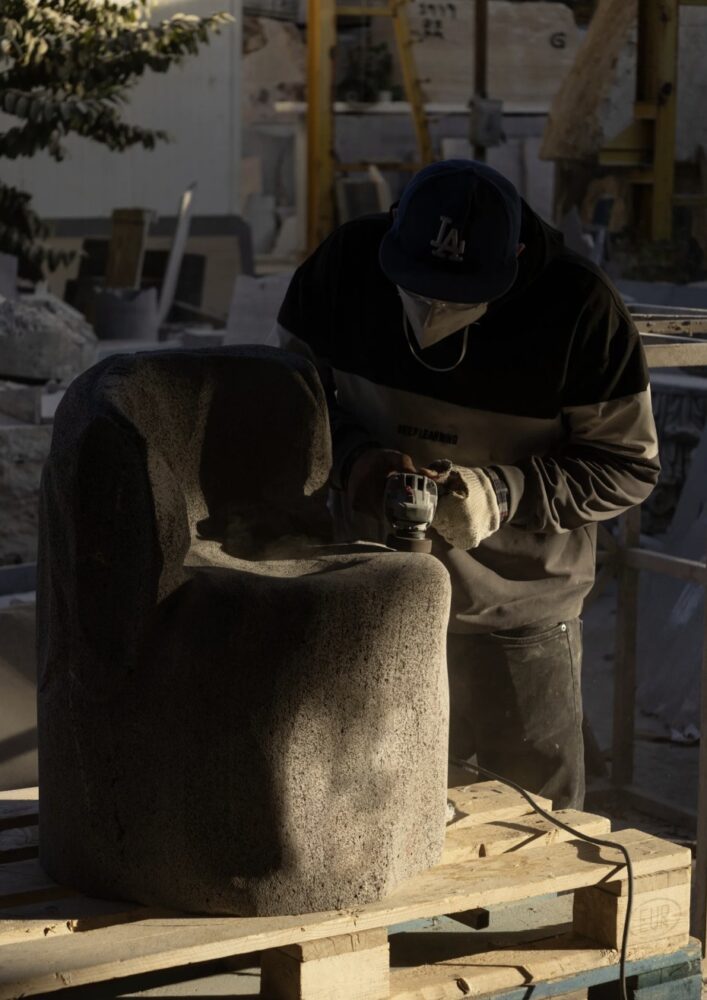

Stone was framed not as brute matter but as a carrier of time. Trono, a volcanic stone seat by Jeff Martin and crafted by Peca, begins as a clay model before being carved from a single monolithic block by artisans near Guadalajara. As one speaker explained:
“It’s one solid volcanic stone. All handcrafted around Guadalajara with people who have been working with volcanic stone for ages.”
Rather than monumentality, the piece invites slowness and pause in interiors defined by speed and lightness.
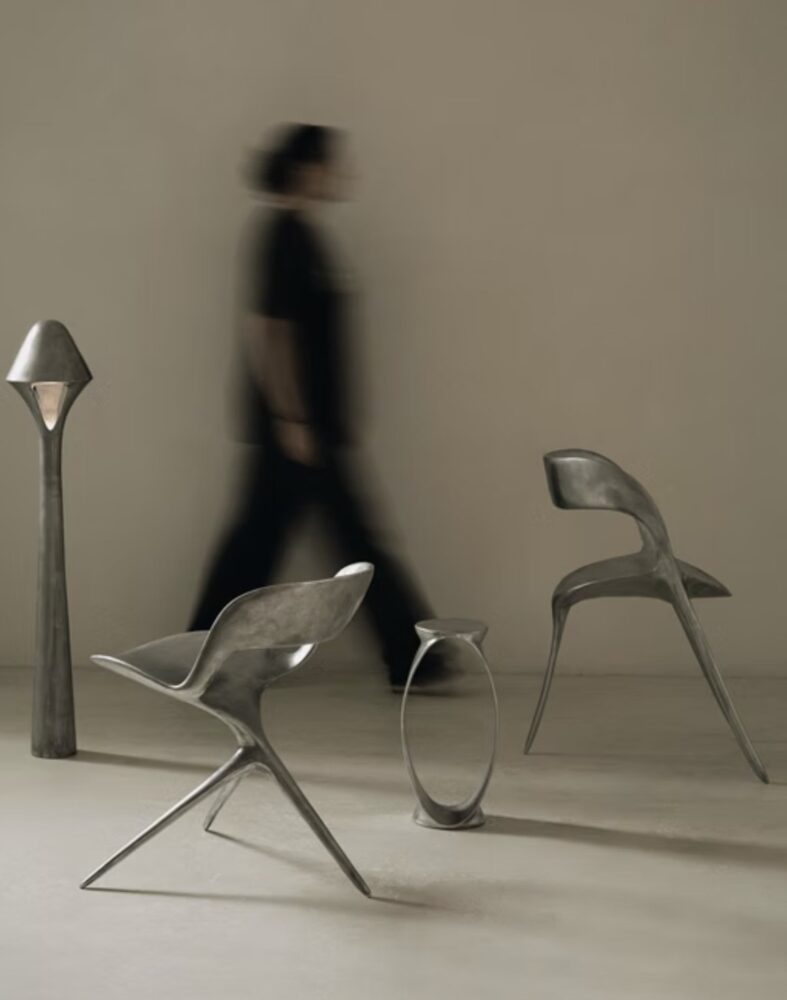
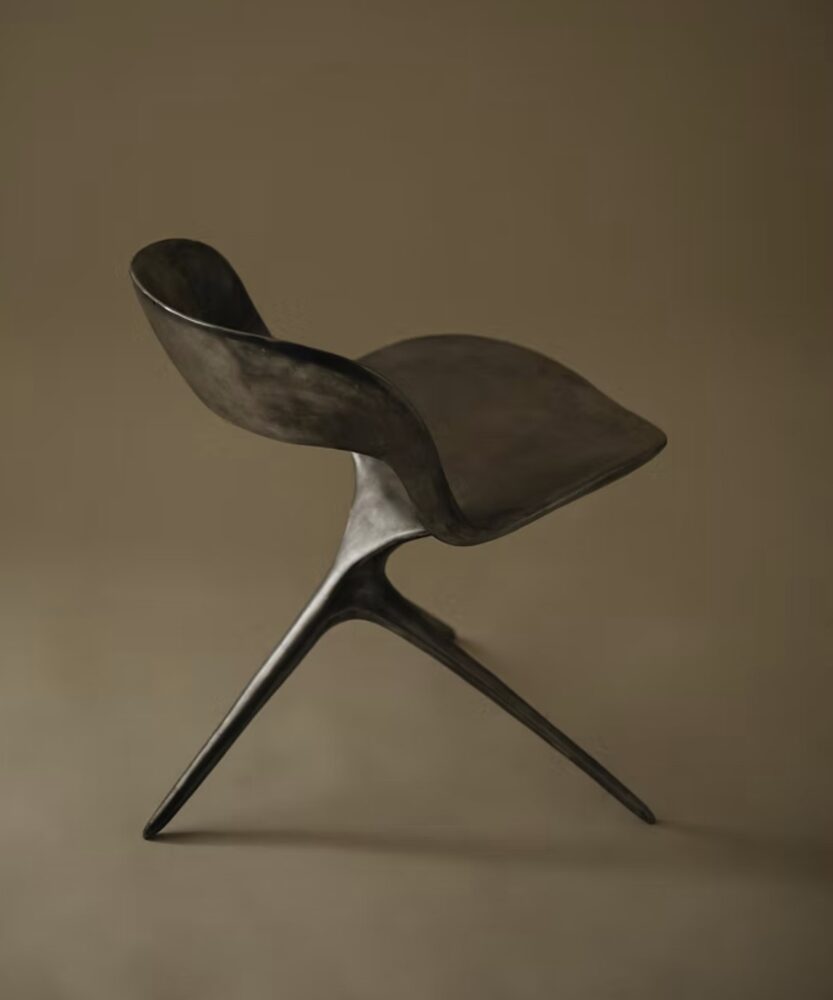
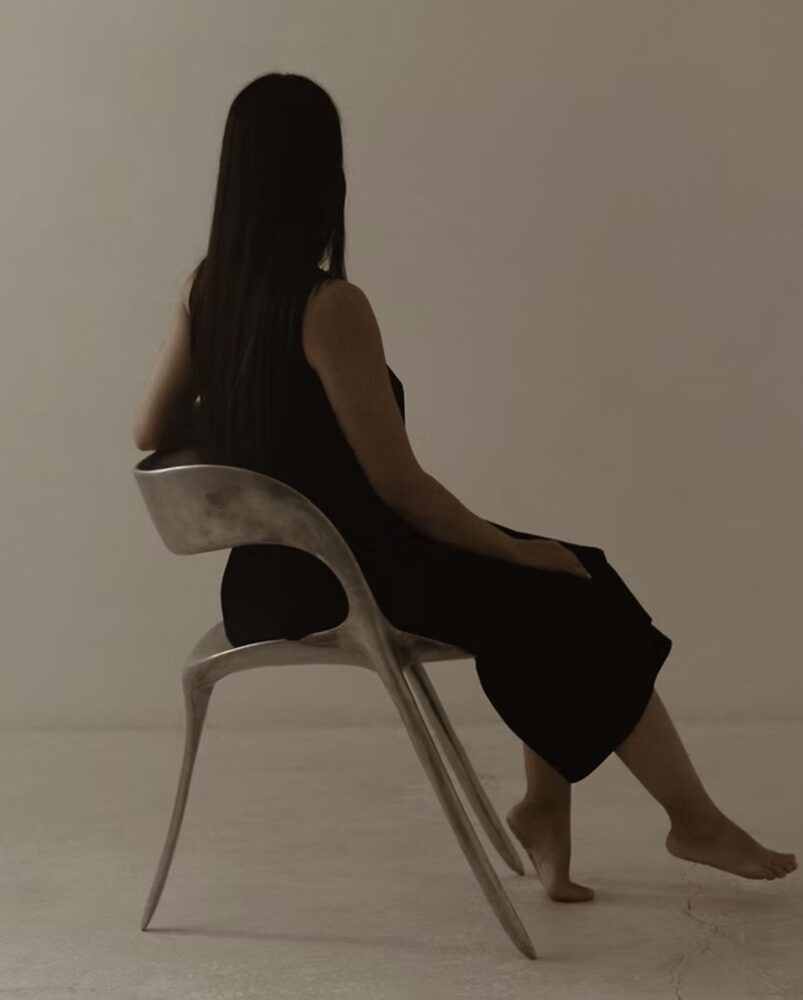
Material innovation also moved beyond tactility into sensory experience. Sebastian Ángeles’ Frequency Collection translates sound research into furniture forms, assigning pieces specific vibrational frequencies. Resendiz noted:
“Out of these patterns, the silhouettes of the collection came out. And if you sit in that chair, it’s really comfortable and something special that you wouldn’t tell by looking at it.”
Agricultural byproducts further expanded material palettes. Corn husk marquetry, avocado skin dyes, and cochineal pigments transform waste streams into architectural surfaces while preserving ancestral techniques. As one speaker summarised:
“It’s innovation, but it’s also natural and ancestral. There is nothing more simple than that.”
Lessons for Architects
Procurement & specs: Embed time for transmission and expect non-standard tolerances, patina, and “incompleteness” as aesthetic value. (“Here, your house is almost never finished.”)
Hospitality as a Testing Ground: Fonda and Cole
Hospitality emerged as the primary site where craft, regenerative materials, and community economies converge at scale. Restaurants offer emotional intensity, repeated use, and public exposure while allowing designers to prototype materials and collaborate directly with artisans. Alessio Nardi described hospitality as a form of transport design spaces that feel emotionally legible without performing tradition.
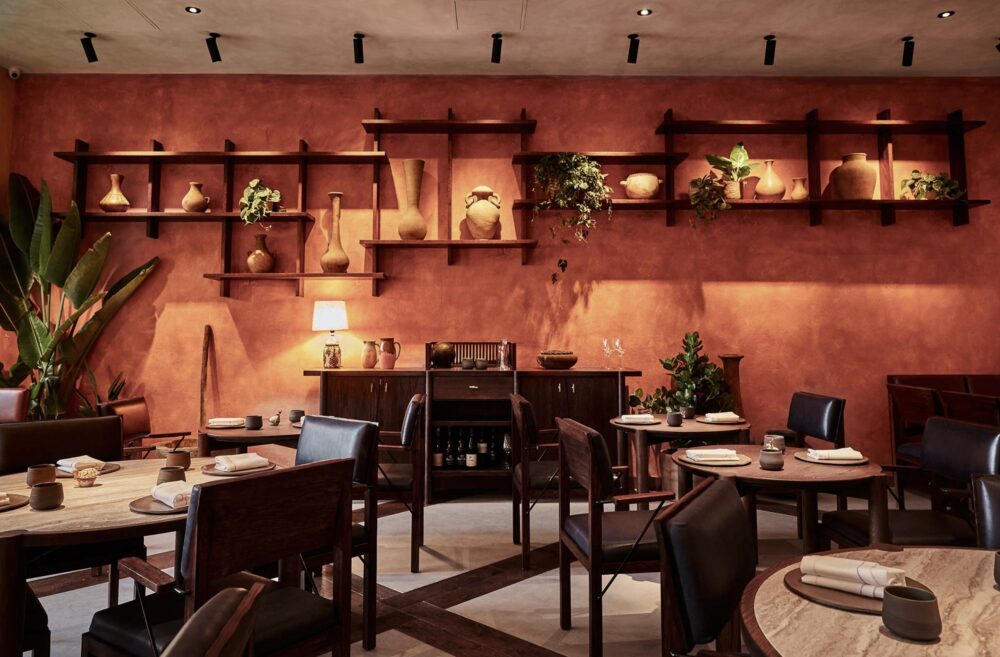
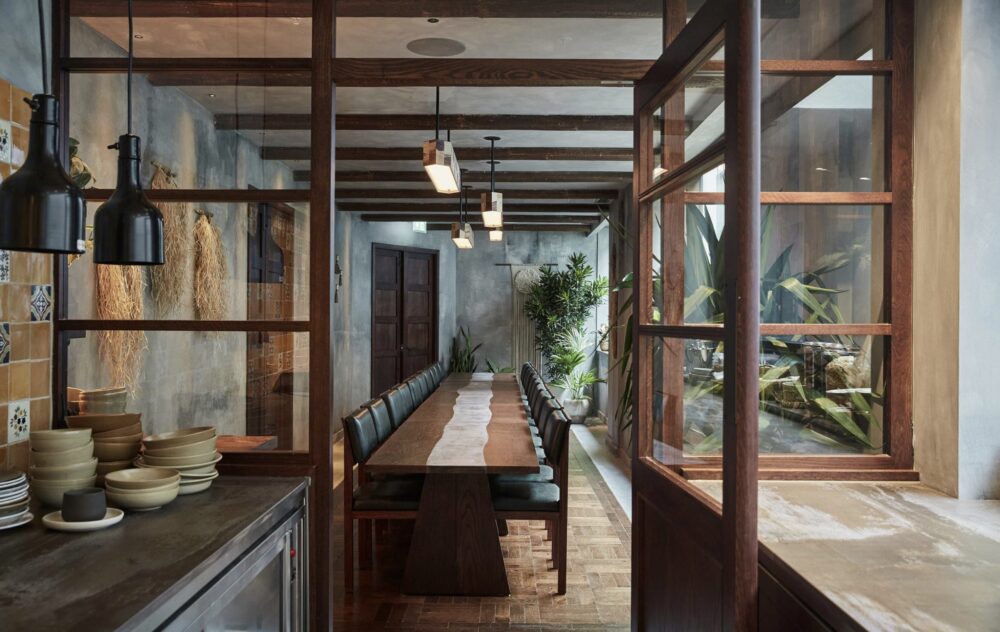
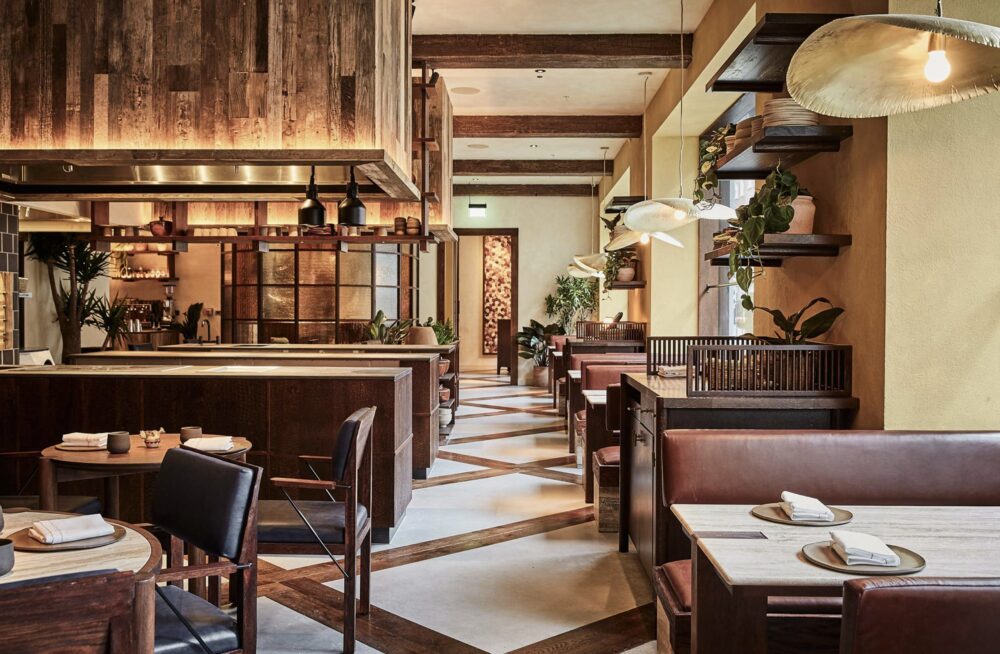
This approach is clearest in Fonda, NLD Studio’s restaurant for Chef Santiago Lastra. The name references Mexico’s neighbourhood eateries, where families open their kitchens to the community. Nardi explained:
“Fondas in Mexico are very sort of cultural places. They’re actually community restaurants where traditionally families open up their own kitchen to neighbors and strangers to offer them food and bring that community together.”
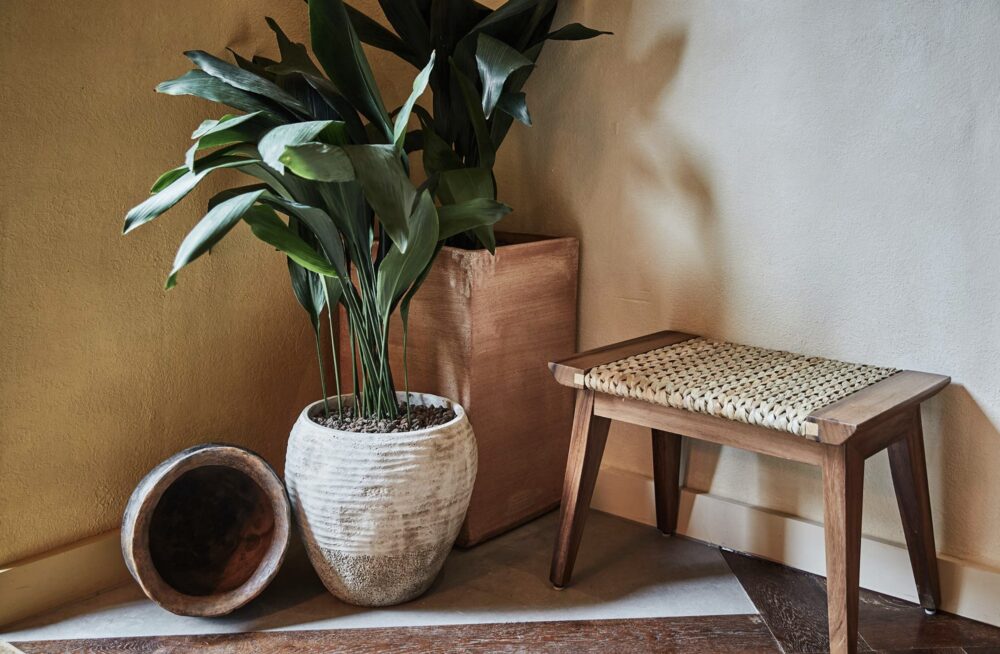
Translating that ethos into London meant placing the kitchen at the heart of the space and using ceramics, woven elements, and handcrafted lighting as emotional infrastructure rather than décor.
Craft became a social signal.
“It doesn’t just feel like a restaurant. Because of the craft and the different materials chosen, and also because of the craftsmen, it feels like being at home.”
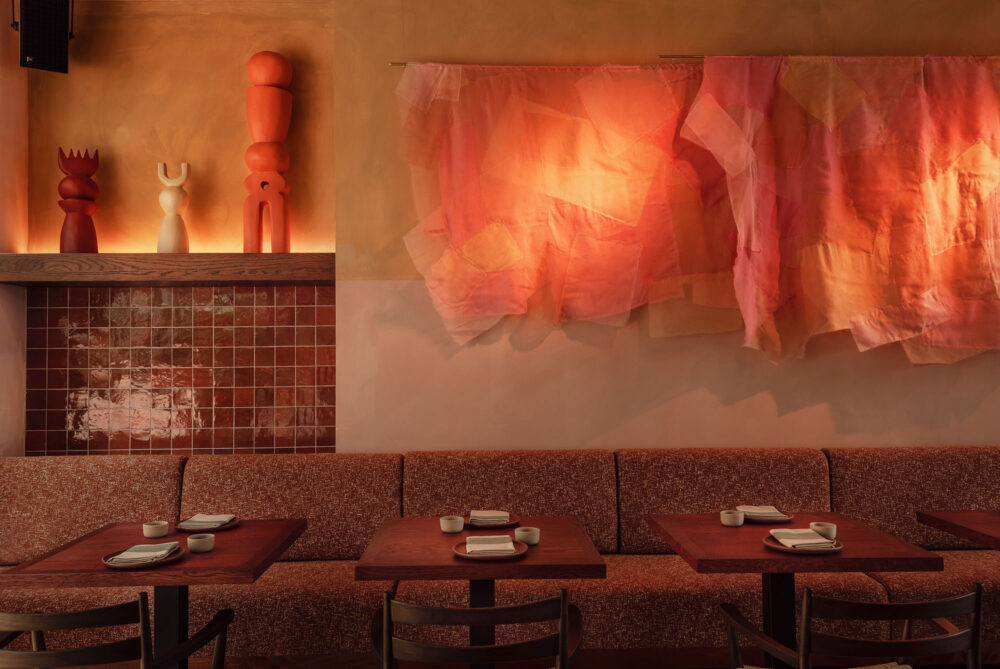
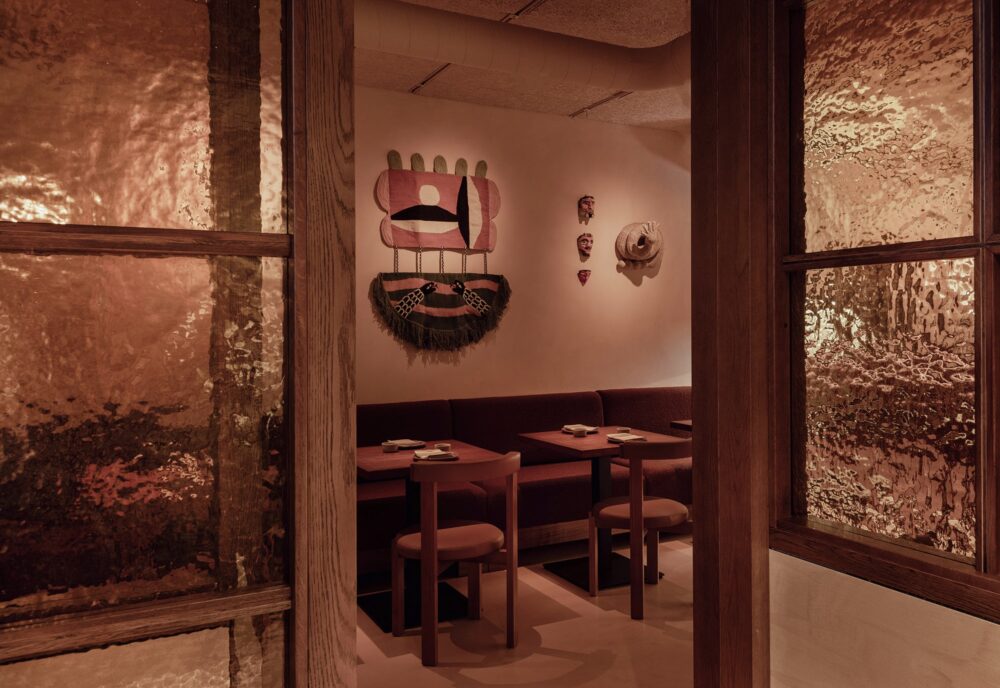
The Kol project extended this approach into architectural integration. Working with Fernando Lapos, NLD developed corn husk marquetry panels used as both artwork and surface finishes. Nardi noted:
“We focus on exploring this technique. It then became an artwork. But then he uses it also as furniture, etc.”
This fluidity between object, surface, and spatial element allowed artisanal processes to scale without losing specificity.
Across both projects, ancestral methods become operational rather than symbolic. Craft embeds care into everyday gestures touching a door, sitting at a table, standing under a light. More importantly, social sustainability becomes a design parameter. Paying for transmission and sustaining workshops reframes hospitality from extraction into reciprocity. As one speaker put it:
“Creating platforms open to craftsmen, to creativity, to collaboration.”
Lessons for Architects
Sustainability beyond materials: Social sustainability matters — budget for knowledge transmission, workshop longevity, and long-term collaboration, not just low-impact finishes.