


California-based interior designer Kerrie Kelly, FASID, NKBA 2026 Board Chair, discusses how technology acts as an invisible design partner when working with light fixtures.
The most compelling lighting design today is no longer about brightness or even beauty alone. It is about responsiveness. Great design works with you, and lighting is increasingly expected to anticipate needs rather than demand attention. This shift is being driven by the thoughtful integration of intuitive technology, where control systems quietly enhance daily rituals and elevate otherwise mundane moments into something intentional.
When Lighting Becomes Personal: Technology as an Invisible Design Partner
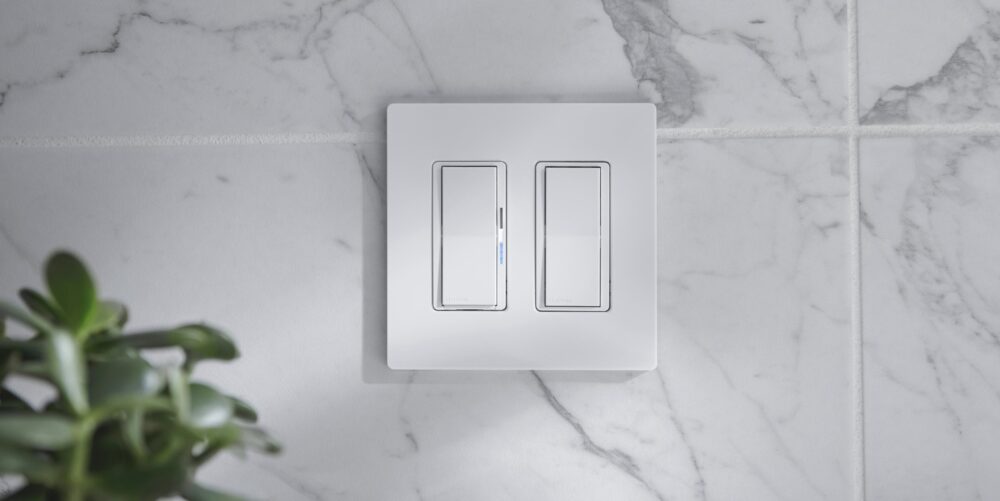
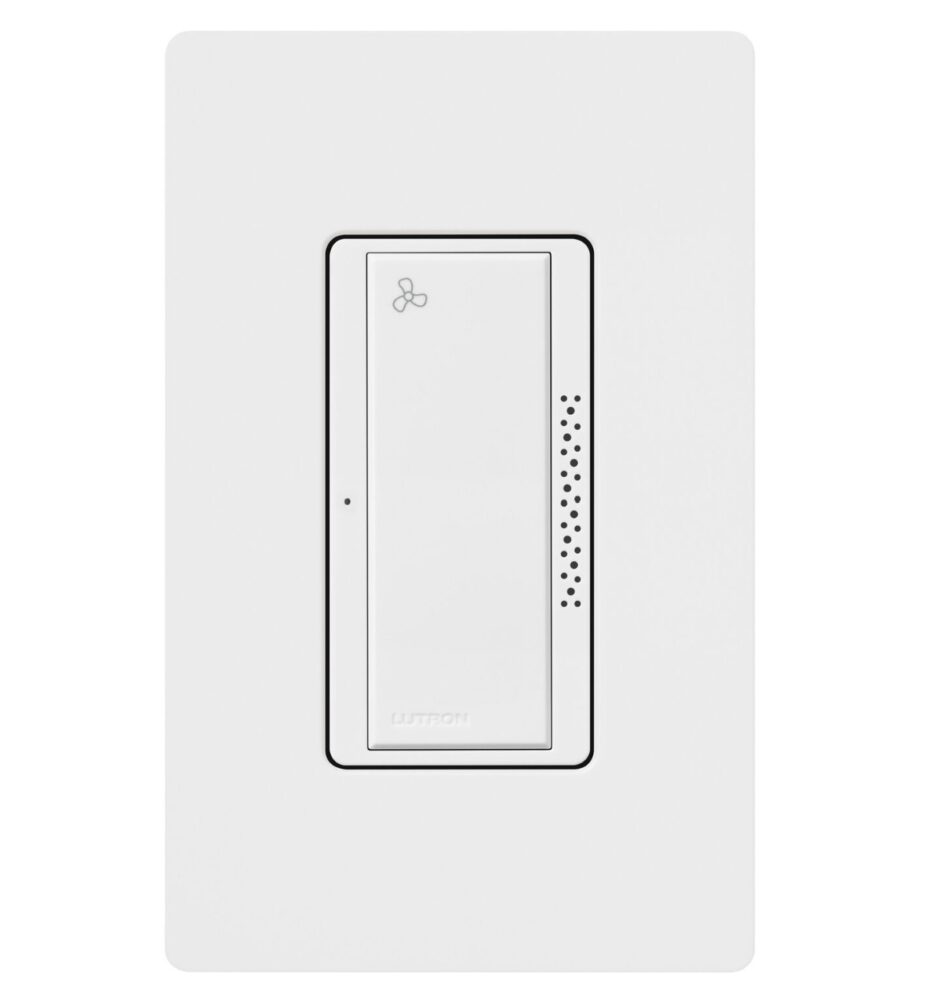
Nowhere is this more apparent than in private, functional spaces like the bathroom. Lutron’s next-generation bathroom controls exemplify how intelligent design can support wellness and peace of mind without visual noise. The Humidity Sensor Switch is a perfect example of “design you think about once, not every time you shower.” It operates with precision and intuition, automatically managing ventilation and moisture to protect both the home and the occupant’s comfort, an often overlooked but critical component of long-term performance.
Similarly, the Diva Dimmer Switch demonstrates how legacy systems can evolve gracefully. Designed to operate with existing electrical wiring, it lowers the barrier to adoption while embedding wellness principles such as gentle dimming and gradual light transitions that support circadian rhythm. These subtle increases and decreases in illumination mirror the natural cadence of daylight, reinforcing the idea that lighting should support how we live, rest, and restore—not disrupt it.
In this new era, lighting technology succeeds best when it fades into the background, allowing the experience to take center stage. For designers and architects, this represents an opportunity to specify products that contribute meaningfully to well-being.
Sculptural Statements: The Rise of Decorative Fixtures with Purpose
While control systems are becoming quieter, decorative lighting is confidently stepping forward. We are seeing strong momentum around sculptural pendants, expressive wall sconces, and layered lighting plans that bring both artistry and warmth into a space. These fixtures are not decorative afterthoughts; they are architectural elements that shape mood, scale, and visual rhythm.
Kichler continues to excel in this balance of form and function.
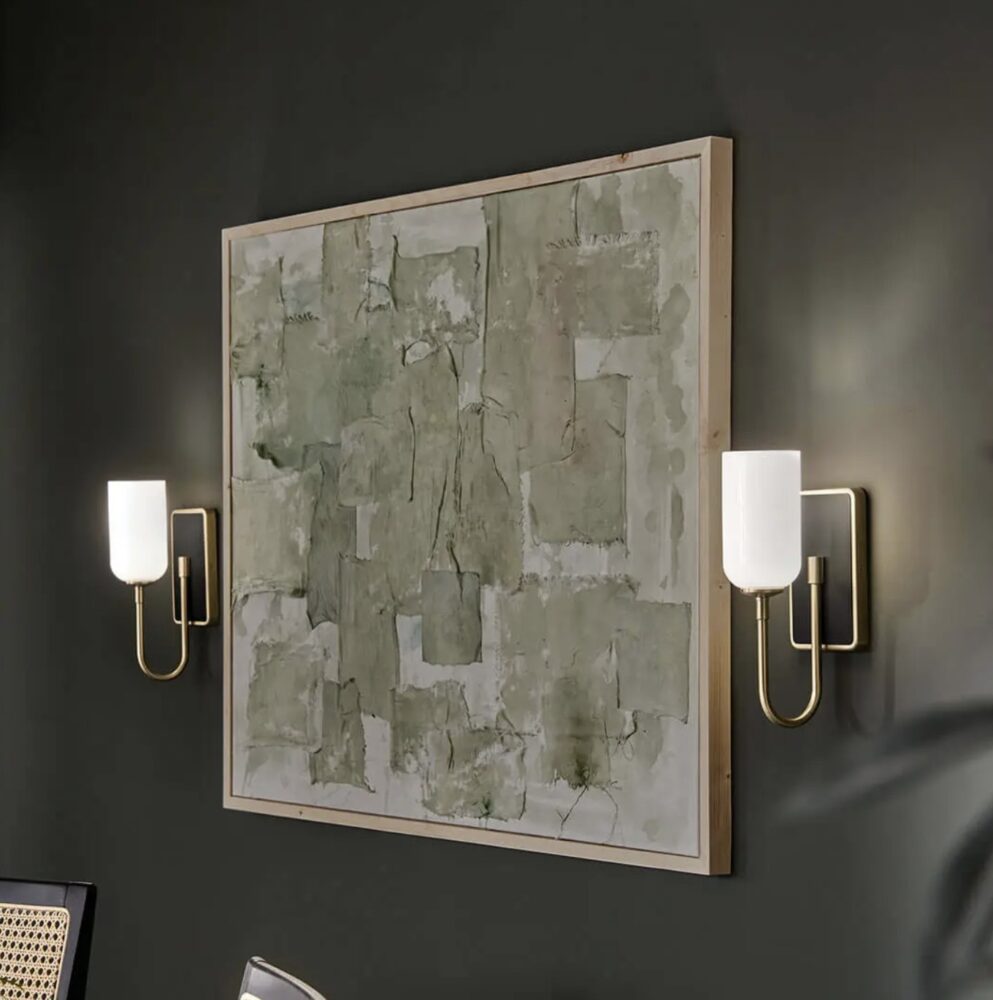
- The Solia Wall Sconce offers a refined, modern profile that feels equally appropriate in a residential hallway or a boutique hospitality setting. Its clean geometry and warm illumination make it ideal for creating intimate moments along circulation paths or framing architectural details.
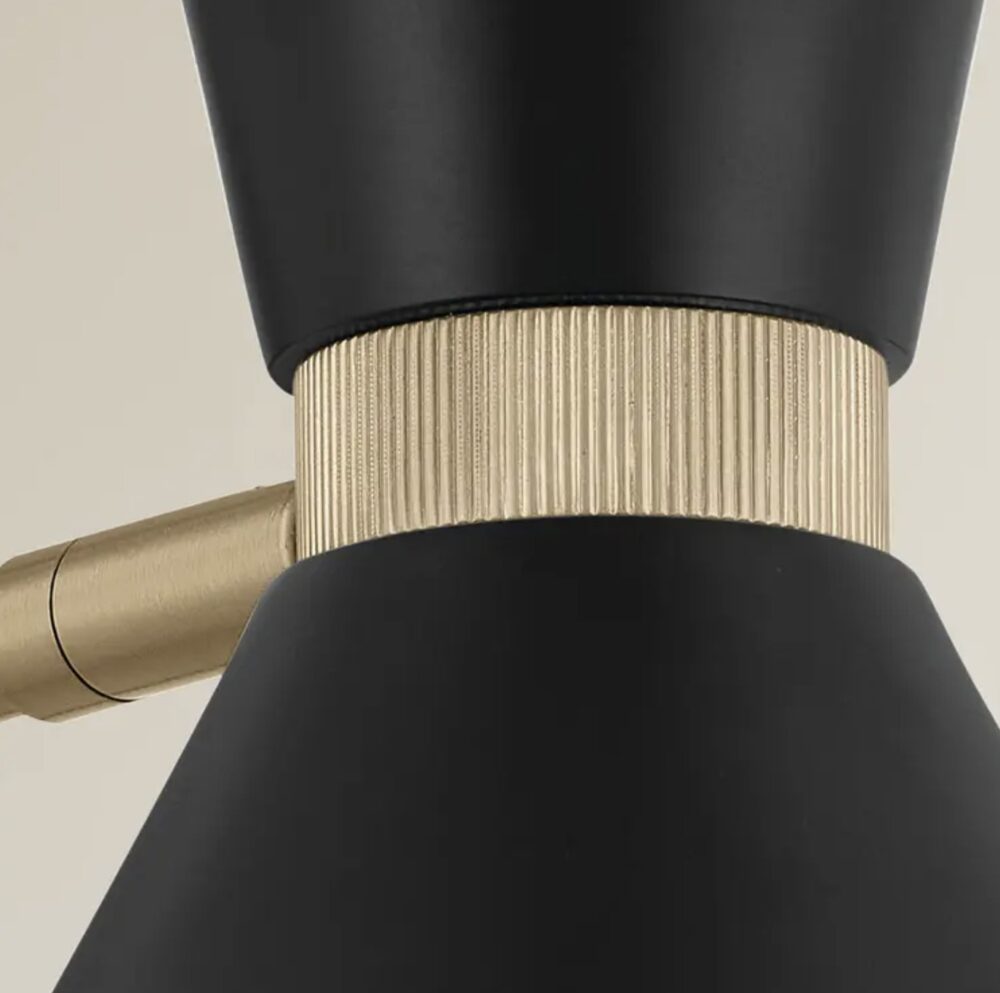
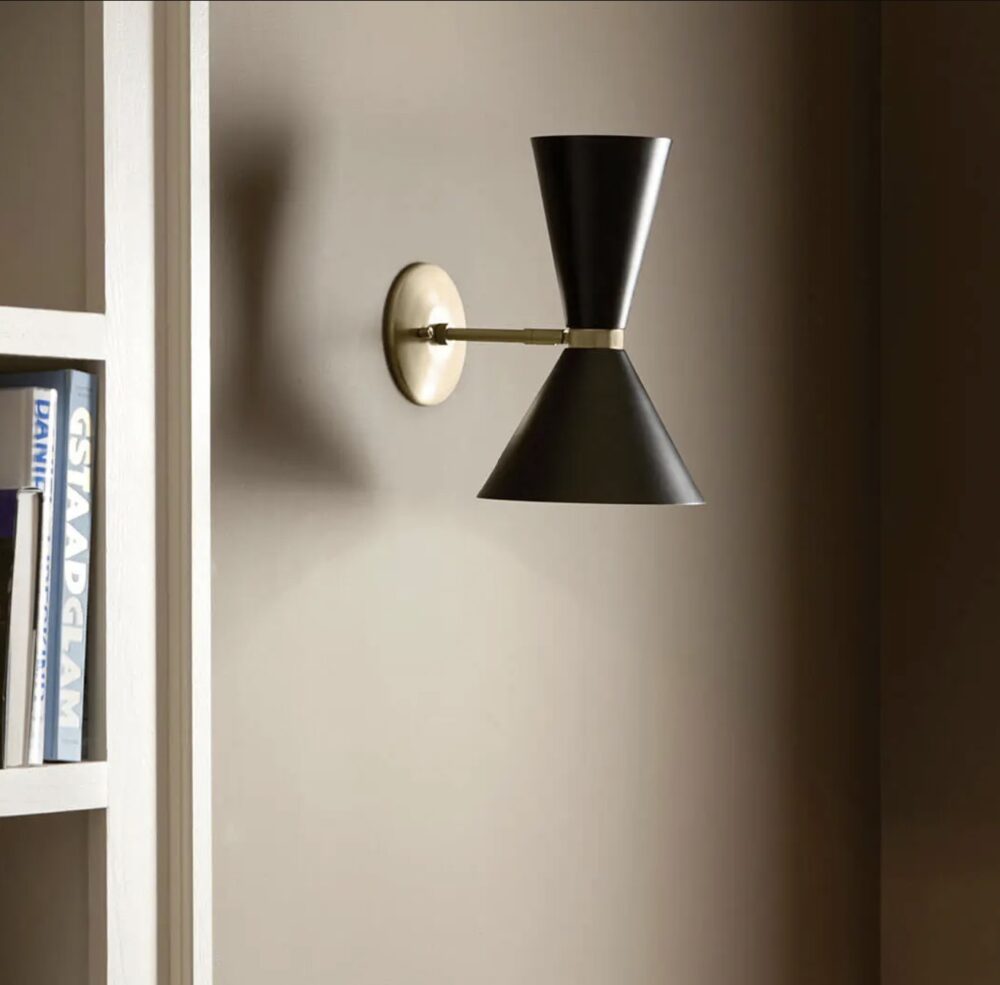
- The Phix Wall Sconce leans more graphic, providing a bold yet controlled presence that works beautifully in layered lighting schemes. When paired with smart controls, fixtures like this can shift effortlessly from task to ambiance, reinforcing flexibility without compromising aesthetics.
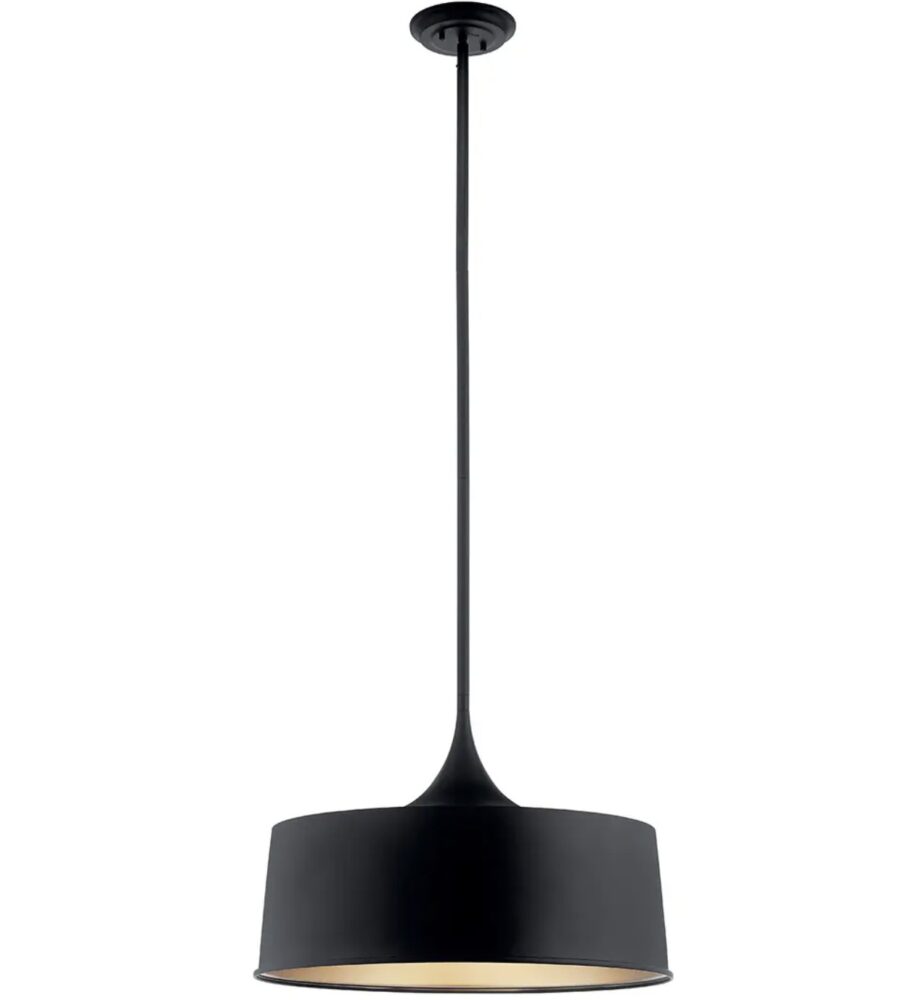
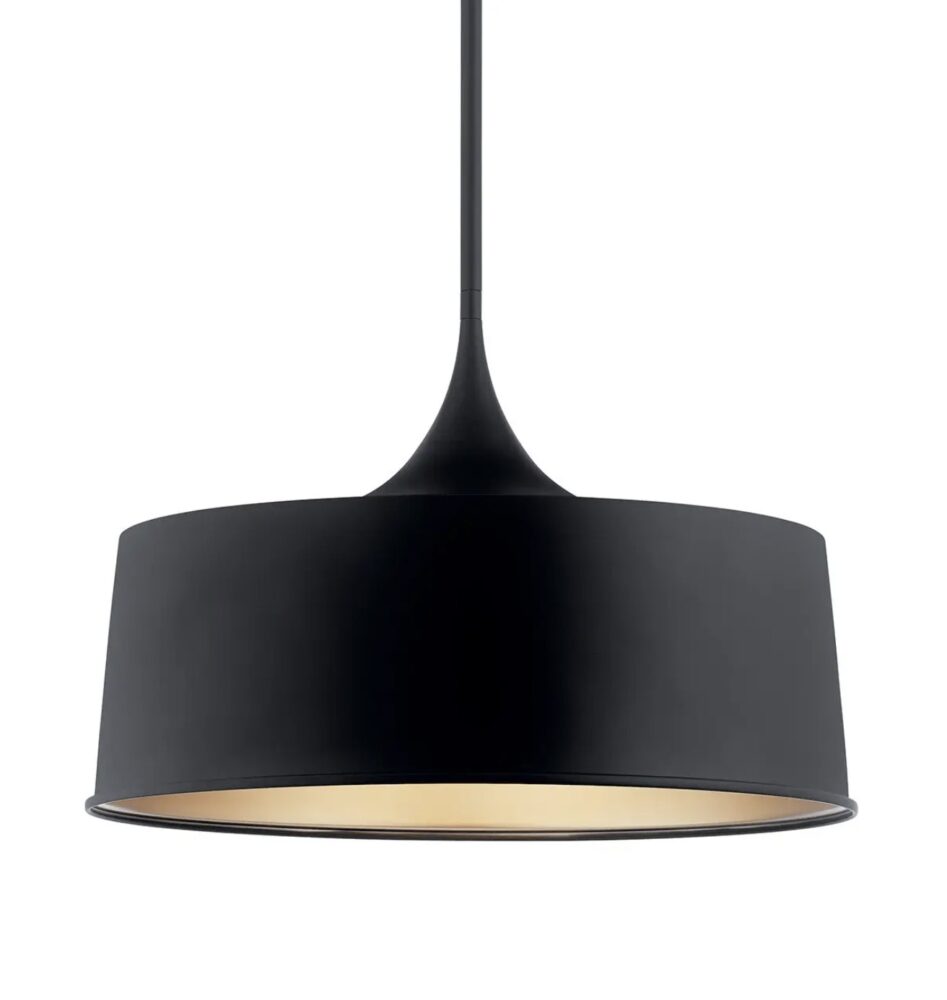
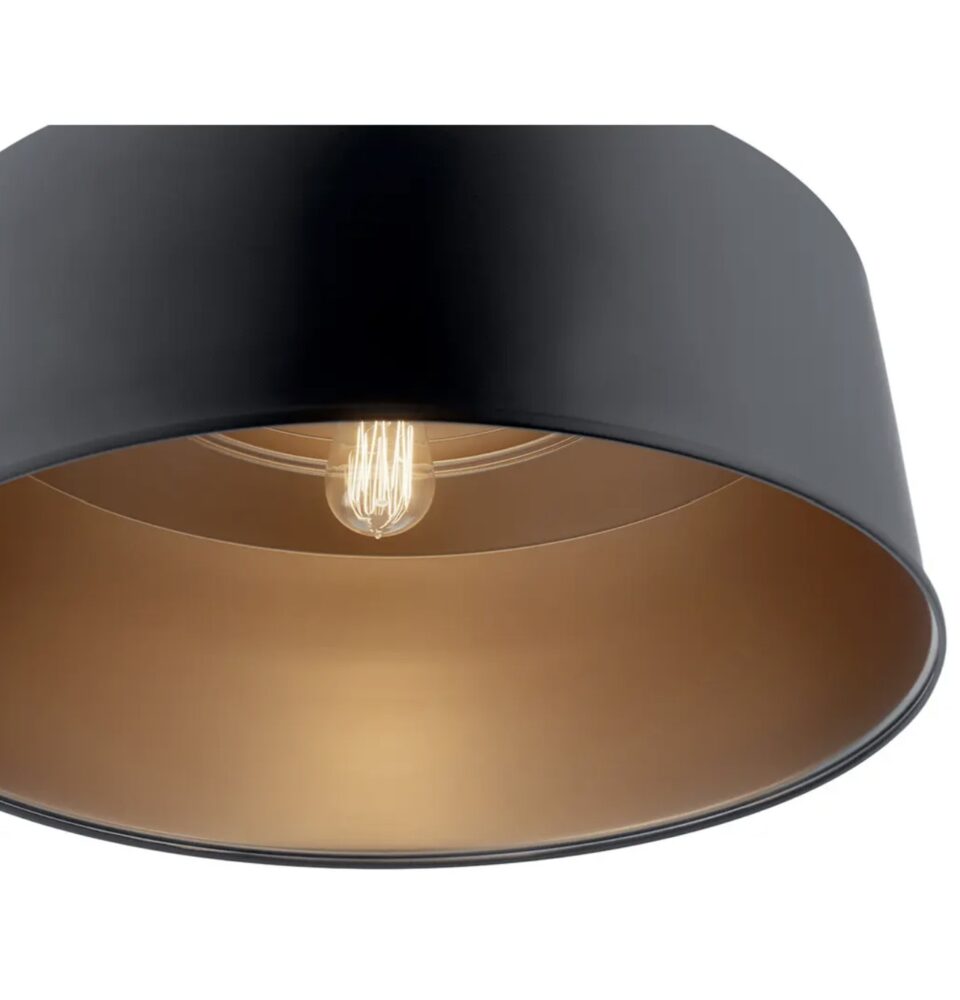
Overhead, sculptural pendants continue to anchor rooms.
- The Elias Pendant offers versatility in scale and application, making it a favorite for kitchens and dining spaces where adaptability is essential.
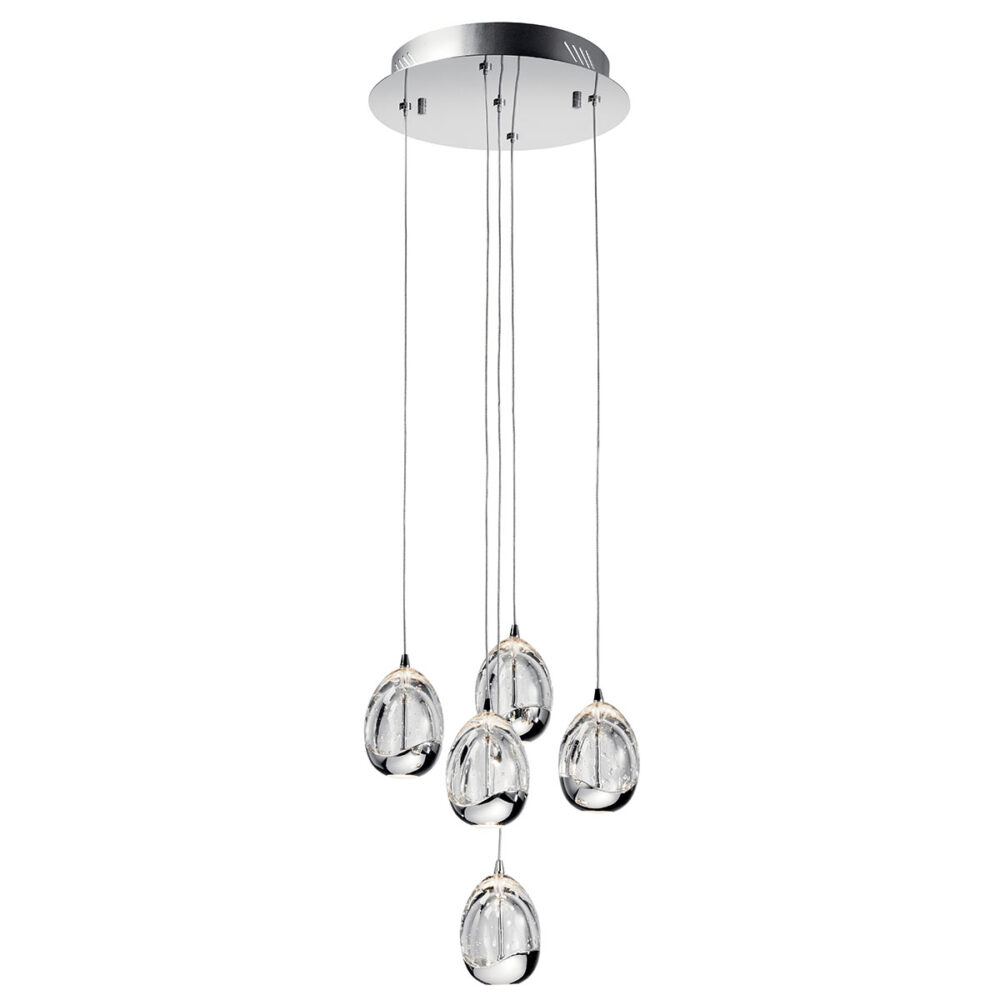
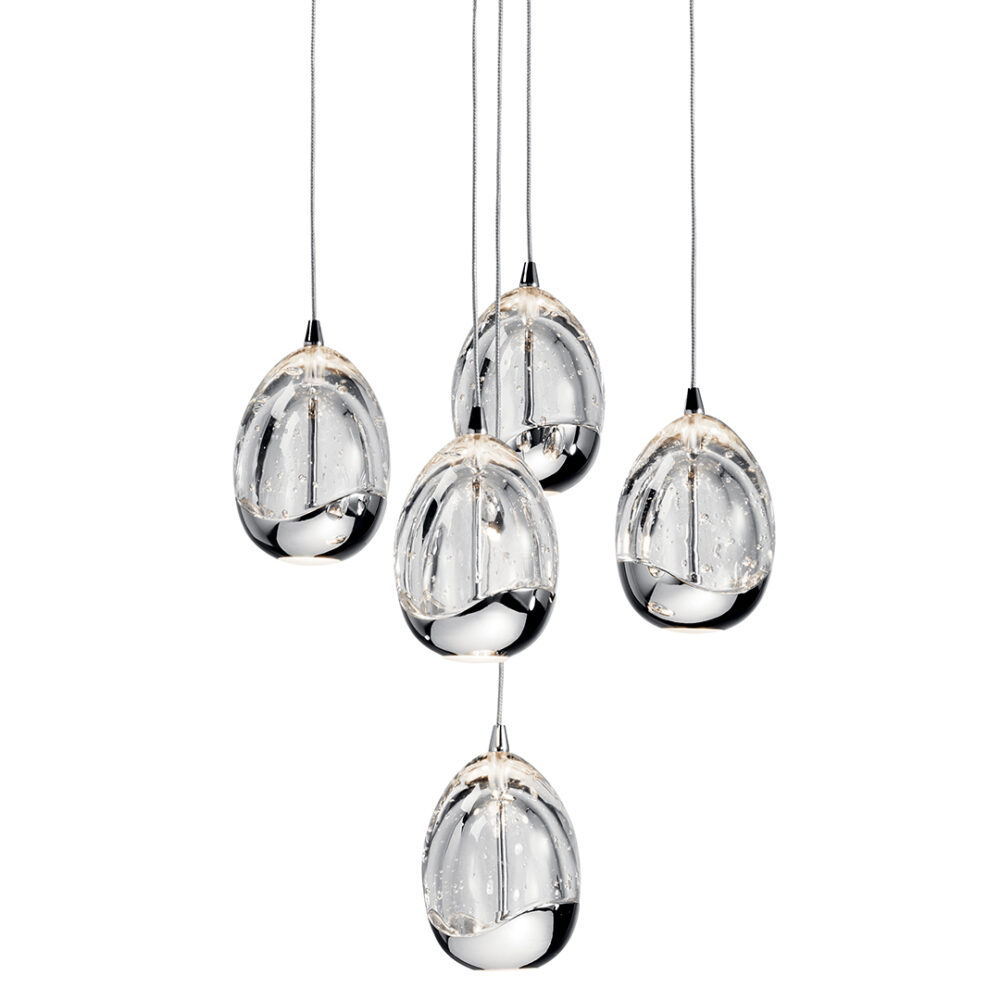
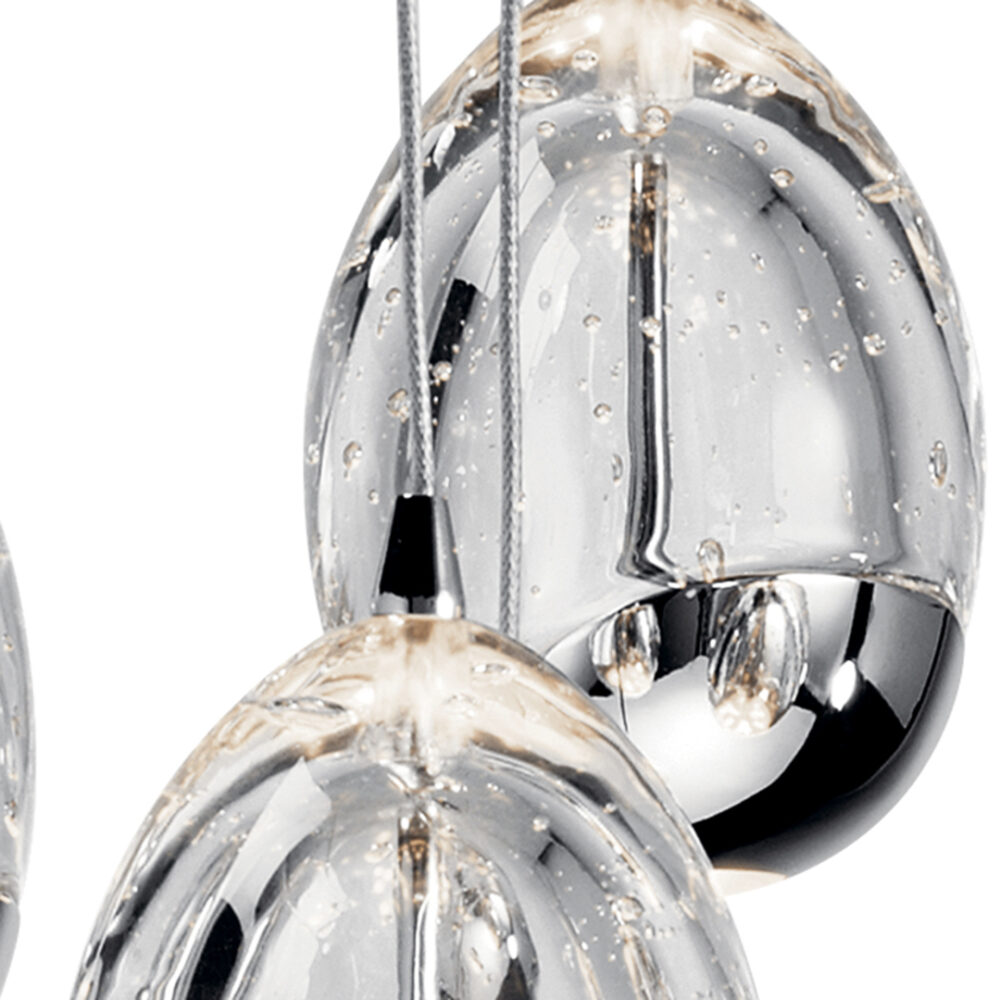
- For larger volumes, the Lavinia Cluster Chandelier creates a sense of movement and drama, transforming light into an experiential focal point rather than a single source.
What makes these fixtures particularly compelling is how seamlessly they integrate with intelligent control systems, allowing designers to deliver spaces that are both visually striking and deeply livable.
Looking Ahead: Wellness, Warmth, and the Human-Centered Home
As we look to the future of lighting design, several themes are clearly emerging. First, wellness will continue to drive specification decisions. This extends beyond circadian-friendly dimming to include glare reduction, warm color temperatures, and layered illumination that supports different activities throughout the day.
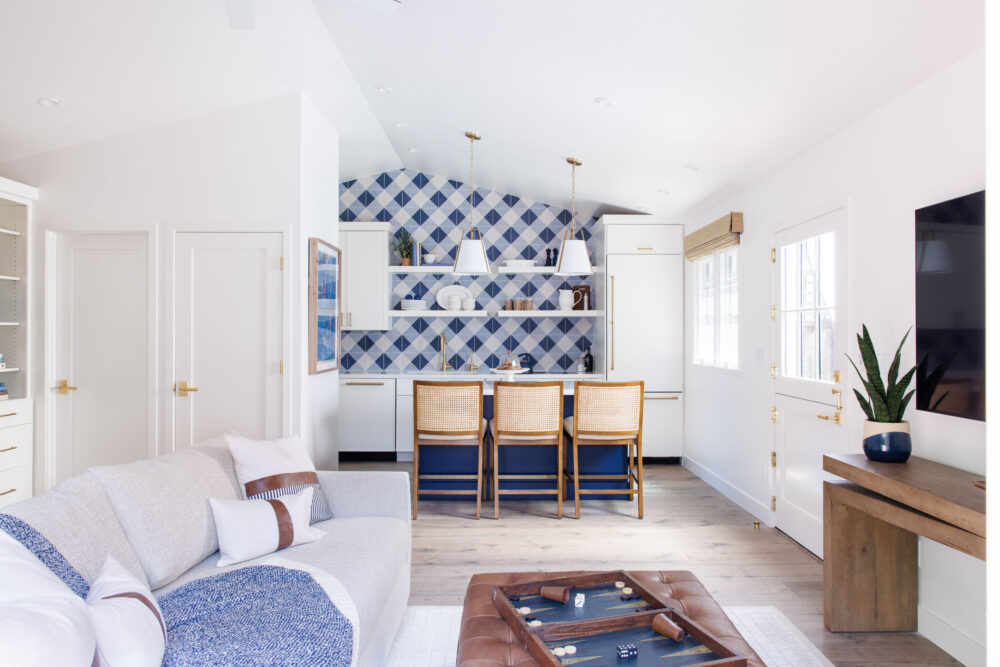
Second, flexibility is no longer optional. Clients expect environments that can shift effortlessly—from morning routines to evening entertaining—without requiring constant adjustment. Smart lighting controls enable this adaptability while preserving the integrity of the design intent.
Finally, we are seeing a renewed emphasis on warmth and architectural illumination. Rather than relying on uniform brightness, designers are embracing shadow, contrast, and intentional placement to create spaces that feel curated and human. Lighting is being used to highlight texture, guide movement, and support emotional comfort.
For design and architecture professionals, the opportunity lies in specifying systems and fixtures that work in concert. When sculptural lighting from brands like Kichler is paired with intuitive controls from Lutron, the result is an environment that feels personal, efficient, and quietly luxurious.
Great lighting today is not about making a statement for its own sake. It is about creating moments that feel considered, supportive, and enduring. And that is where design truly elevates everyday living.

Kerrie Kelly
Kerrie Kelly, FASID, NKBA 2026 Board Chair, is a California-based interior designer, design-industry thought leader, and lifestyle expert known for creating elevated, human-centered environments. As founder of Kerrie Kelly Studio, she collaborates with global brands and design professionals to integrate innovation, wellness, and performance into residential and experiential spaces. Kerrie regularly contributes expert insight to leading design and architecture publications.