


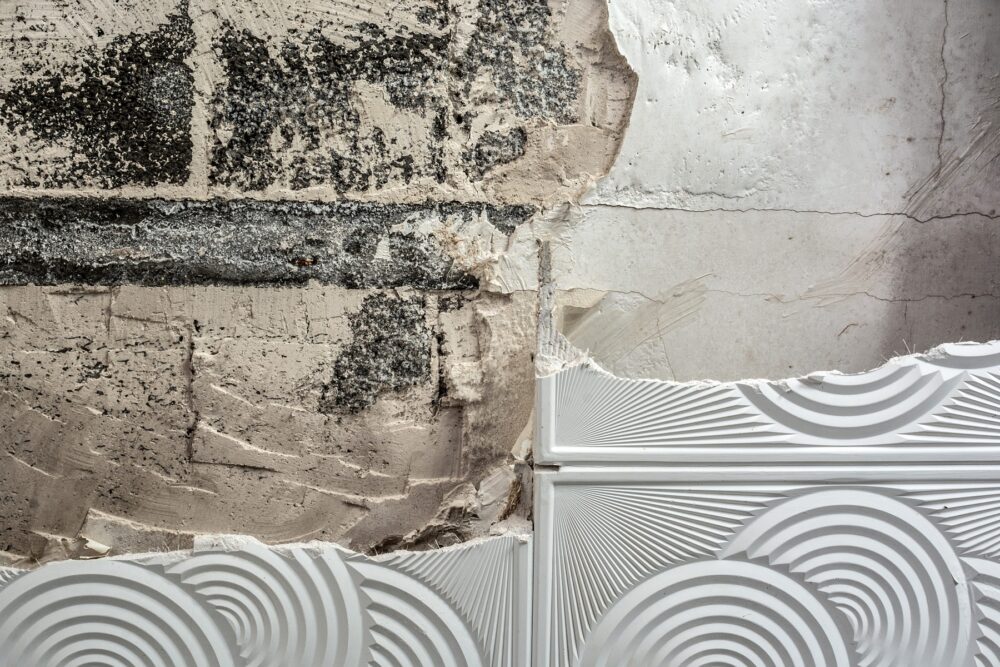

Architect Javier de la Garza discusses how to navigate moisture and mold issues, based on vast experience in high-end luxury, technical residential, and urban excellence.
In a hurry? Here are the key points to know:
- Prioritize Hydrostatic Relief over Interior Sealing: Internal “waterproofing” paints and coatings are secondary defenses. True moisture control begins 3-5 feet away from the structure using subsurface drainage systems like CULTEC or regional “Bluebelt” strategies to relieve water pressure before it reaches the foundation.
- The “Ideal Wall” Mitigates the Dew Point: To prevent mold, architects should aim for exterior-insulated assemblies. By moving the insulation outside the studs, the structural cavity remains warm, preventing vapor from reaching its dew point and condensing into liquid water inside the wall.
- Smart Membranes are the New Standard:Traditional 6-mil poly vapor barriers can lead to “trapped” moisture. Modern professionals should specify smart vapor retarders (e.g., CertainTeed MemBrain or SIGA Majrex) that adapt their permeability to seasonal humidity, ensuring the building envelope can dry in both directions.
In the world of ultra-high-end architecture, where budgets can seemingly touch the sky, the primary constraints are often aesthetic. Javier de la Garza spent years in this rarefied air, working with Peter Marino Architect on flagship projects for Chanel and Louis Vuitton, and managing construction for LVMH across the United States and Mexico. But when he founded DE LA GARZA ARCHITECTURE LLC in 2007, he brought a different kind of expertise to the table: a rigorous, technical focus on the “logic” of construction; specifically, how to keep buildings dry in an era of increasingly volatile climates.
“The firm was founded to offer high-quality design, but with an eye toward budget and schedule,” de la Garza notes. “It’s about balancing the design side with the ‘dark side’: the construction and profitability side. You have to understand how a building actually works to make it last.”
The Geography of Risk: From Clay Platelets to Granite Shelves
For de la Garza, who was raised in San Antonio before moving to the Northeast for degrees at Princeton and Columbia, the first lesson in humidity management is regional. In the Southwest, architecture deals with “clay platelets“—soil that expands and contracts with such force it can snap a foundation. In the Northeast, the challenge is often the water table and the “granite shelf” of Manhattan.
“If you have a basement in the Northeast, you’re basically building a boat,” de la Garza explains.
In historic townhouses or older residential stock, stone foundations are common. These are naturally porous, and as de la Garza points out, sealing them from the inside is often a fool’s errand.
“You can seal it all you want from the interior, but the hydrostatic pressure will eventually find a way through. The best solution is always to address the problem from the outside.”

Perimeter Defenses: Relieving the Pressure
When addressing moisture in urban settings—particularly in dense areas like New York City—the architect’s job begins three feet beyond the house envelope. The goal is simple but technically demanding: move water away before it ever touches the wall.
De la Garza advocates for a “pressure relief” strategy. This involves a multi-layered approach starting with exterior drainage. For modern projects, this often means utilizing high-performance subsurface stormwater management systems. One such product is the CULTEC Recharger®, a high-density polyethylene chamber that acts as a dry well, capturing roof and driveway runoff and allowing it to percolate into the ground safely.
“In urban environments, we’re seeing a shift toward ‘Bluebelts’ or ‘Blue Ponds’—nature-based drainage corridors like those being implemented by the NYC Department of Environmental Protection in Staten Island and Prospect Park,” says de la Garza.
On a residential scale, this translates to rain gardens and permeable pavers that prevent the “pooling” effect that leads to foundation infiltration.
“You want to capture that water and get it as far away from the foundation as possible, ideally into a CULTEC system or a dedicated dry well.”

The Interior Fight: The Physics of the “Ideal Wall”
The most insidious moisture issues aren’t caused by floods, but by the residents themselves. Cooking, bathing, and even breathing release water vapor that, if improperly managed, will condense inside the wall cavity when it hits the “dew point.”
De la Garza highlights a common failure in modern renovations:
“If you have a cold surface on one side and a warm, humid surface on the other, that vapor is going to turn into liquid. If that happens inside your insulation, you have a mold factory.”
To combat this, he points to the concept of the “Ideal Wall,” where the majority of the thermal insulation is placed on the exterior of the structural studs. This keeps the studs and the interior cavity at a consistent temperature, moving the dew point outside the organic materials of the building.
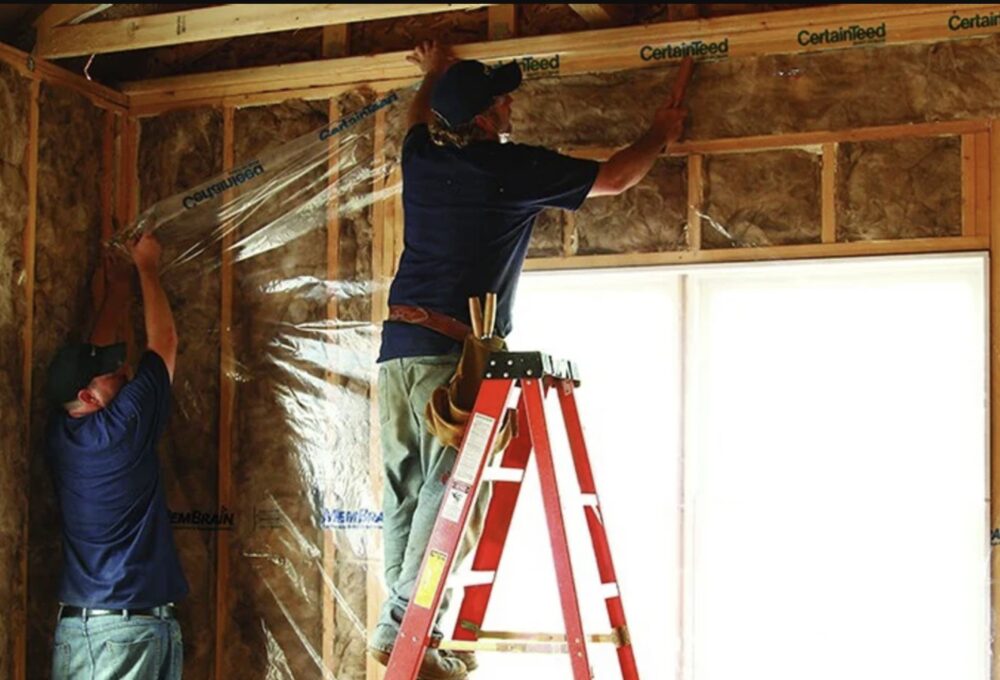
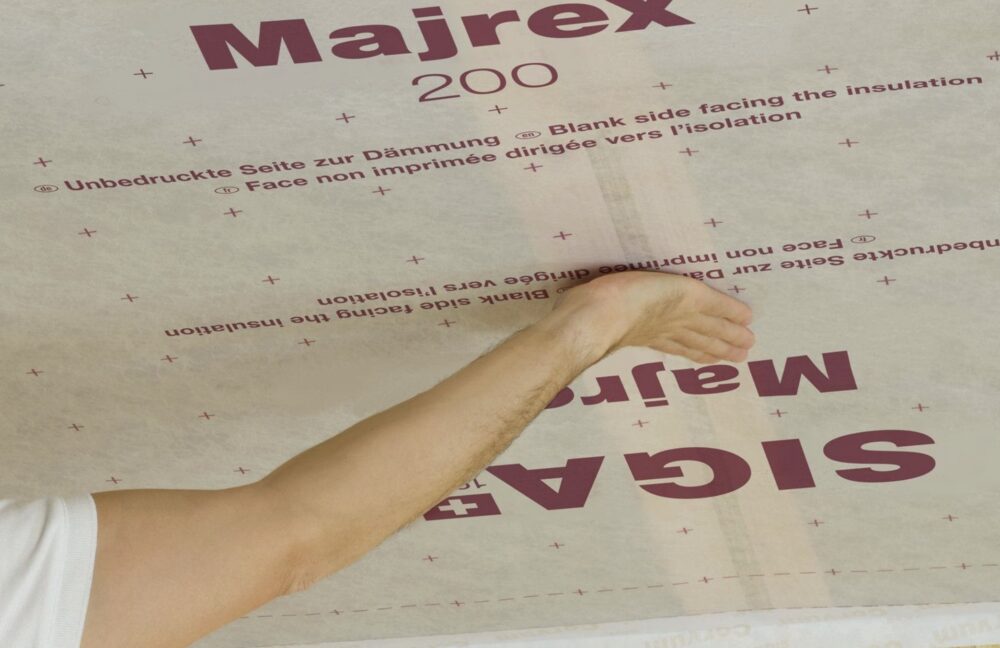
For interior vapor control, the industry has moved beyond simple plastic sheets. De la Garza discusses “smart” vapor retarders, such as CertainTeed’s MemBrain™ or SIGA’s Majrex®. Unlike traditional poly-vapor barriers that can trap moisture in the summer, these smart membranes change their permeability based on humidity levels. They block vapor in the winter but allow the wall to “breathe” and dry out in the summer.
“Materials have evolved,” de la Garza notes. “Between smart membranes and closed-cell spray foams, which act as both insulation and vapor barrier, we have the tools to prevent the ‘sick building’ syndrome that plagued 1970s-era construction.”
Find CertainTeed and SIGA products on ArchiExpo.
The Multi-Family Challenge and Evolving Codes
As a former planning board member, de la Garza is acutely aware of how building codes are forcing a higher standard of execution. Energy codes have “beefed up” significantly; what was once an R13 requirement for walls has jumped to R19 or R21, while roof requirements can hit R49.
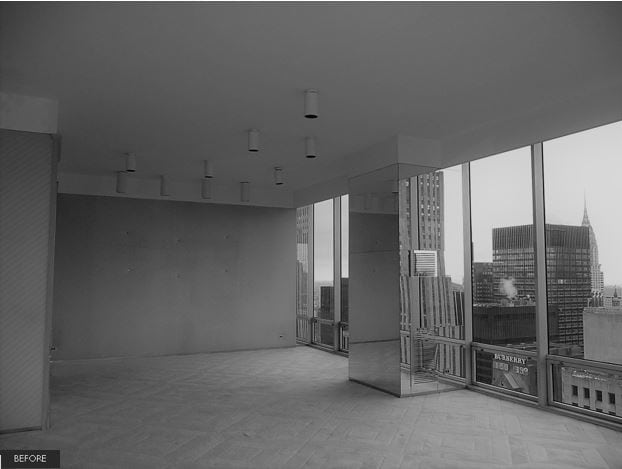
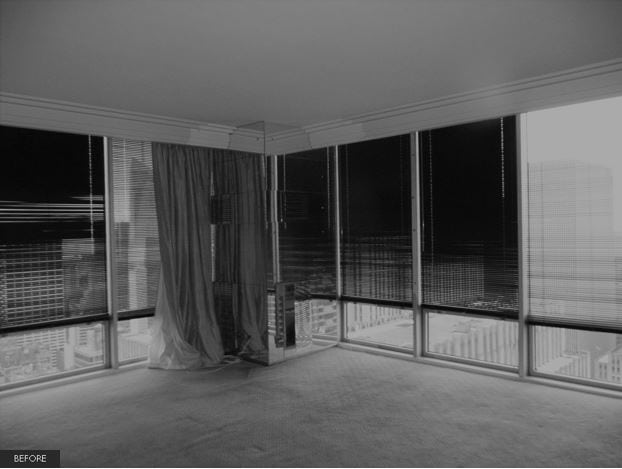
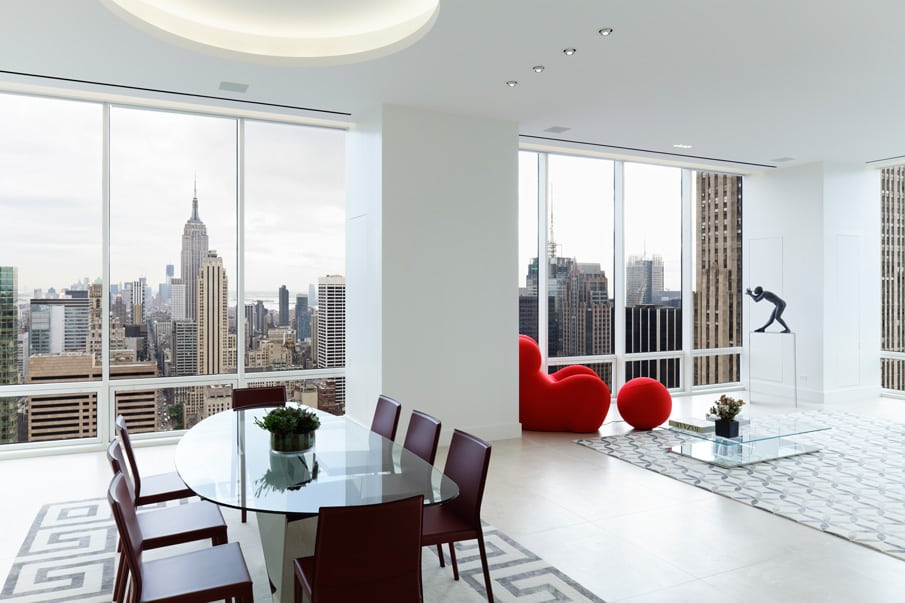
In multi-family housing, the biggest concern is often “wet over dry”—the risk of a bathroom leak in a penthouse damaging a living room below. For his high-profile residential projects, such as a recent Penthouse Apartment in NYC, de la Garza employs a “belt and suspender” system.
“Building boards are terrified of leaks,” he says. “We install stainless steel pans under washers, but we also integrate active moisture alarms and automatic shut-off valves.”


Systems like the LeakSmart® or LANA IoT sensors provide real-time alerts to building managers.
“In a recent project, we integrated moisture sensors with shut-offs to get the board’s approval. It’s no longer just about the pipe; it’s about the digital layer of protection.”
Whether it’s a luxury boutique for Loro Piana or a complex NYC penthouse, de la Garza’s approach remains rooted in the physics of the envelope. As he puts it:
“You can have the most beautiful design in the world, but if the building can’t breathe and the water can’t leave, the design won’t matter in ten years.”