


By Jocelyn Corrigan, COO of Empire & Co.
The workforce is changing faster than most offices are designed to accommodate. According to the most recent data from the U.S. Department of Labor, Gen Z already makes up 18% of the workplace as of 2024, and that number is expected to grow exponentially as Baby Boomers retire. Within that cohort, more than 50% identify as neurodivergent, bringing greater awareness to how environments impact focus, energy, and performance. Unlike the generations before them, Gen Z is far more vocal about what they need to succeed—and they expect their workplaces to respond.
Once a niche consideration, neurodiversity is now critical for business success, employee retention, and well-being. Organizations are recognizing that environments designed for a narrow definition of productivity no longer reflect how people actually think and work, and that intentional and inclusive decisions about space, furniture, acoustics, lighting, and control are key to shaping workplaces that are adaptable, empathetic, and built for long-term resilience. Neuro-inclusion is the future of work, and the most immediate way to bring it to life is through the physical space itself; specifically, through a critical reexamination of how furniture is integrated into office environments.
Neurodiversity vs Wellness: Why the Distinction Matters
As organizations respond to the needs of the changing workforce, it is important to first clarify that while neurodiversity and wellness often overlap, they are not interchangeable. Wellness initiatives tend to focus on broad outcomes such as physical comfort, mental health, and overall well-being through elements like biophilia and amenity-rich spaces. Neurodiversity, on the other hand, acknowledges that individuals process information, stimuli, and social interaction differently, and focuses on specific sensory, cognitive, and neurological needs. Thus, designing for neuro-inclusion requires research-driven choices in furniture, layout, lighting, and acoustics that allow individuals to regulate their environment, minimize sensory overload, and work in ways that suit their unique needs.
Neuro-Inclusion in Practice
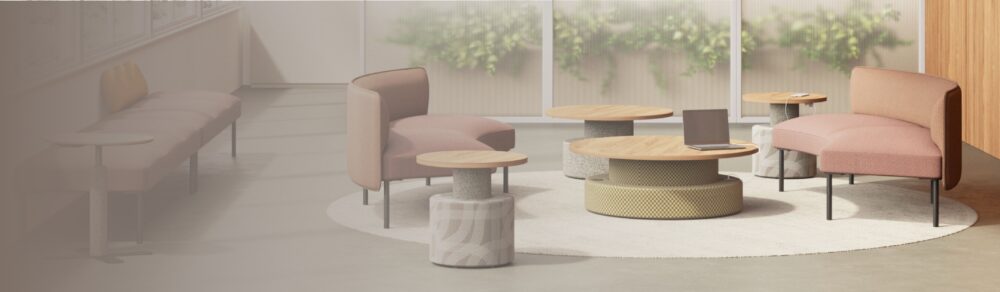
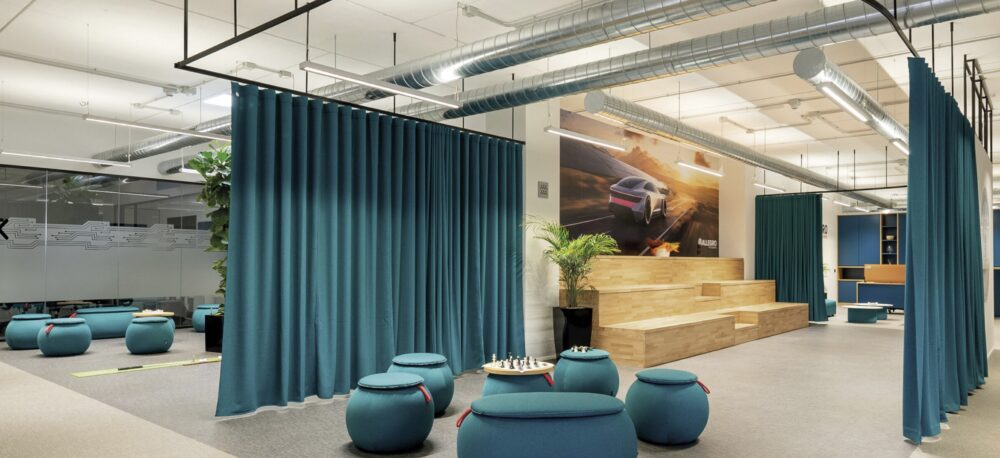
Translating neurodiversity into physical environments means considering how people experience space throughout the day. Some need privacy and quiet to focus, others benefit from subtle sensory cues, and many shift between collaborative and solo work. Rather than designing for a single mode of productivity, neuro-inclusive offices offer layers of choice. Soft enclosures like the Hightower Tulipan Pod and enveloping seating like the Viccarbe Cubow Lounge, for example, create accessible retreats within open plans, giving employees a low-stimulation place to decompress or concentrate without leaving the office entirely. Complementary strategies, including sound-absorbing elements like Snowsound panels to improve acoustics and secondary, dimmable lighting such as the Koncept Dude Table Lamp, help reduce overstimulation in collaborative zones. Privacy pods and phone booths marry all three, allowing users to signal privacy and benefit from their soundproofing qualities and the ability to dim lighting to alleviate any sensory discomfort.
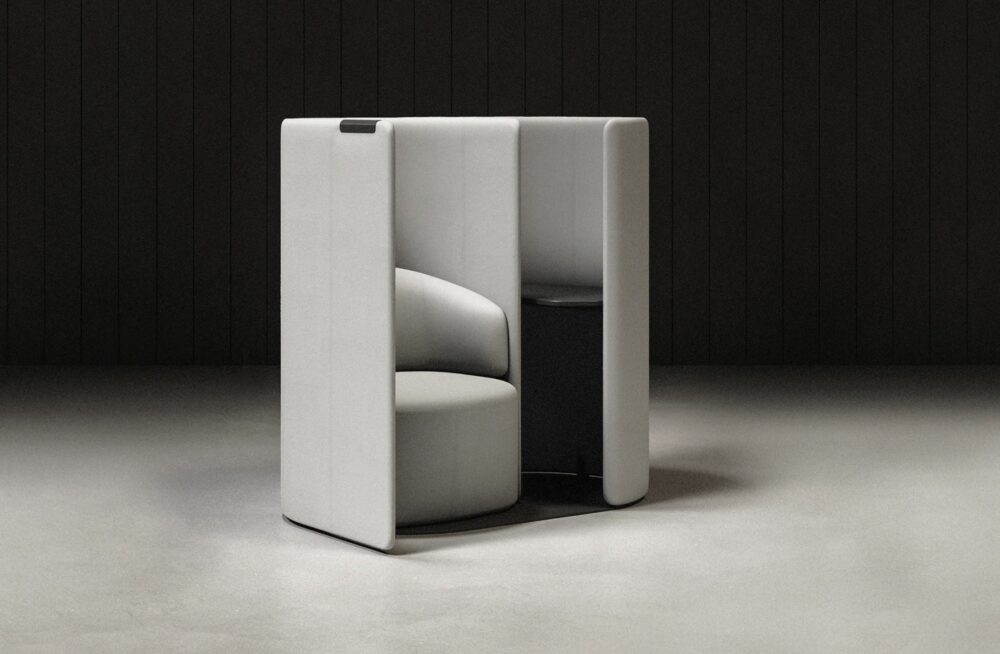
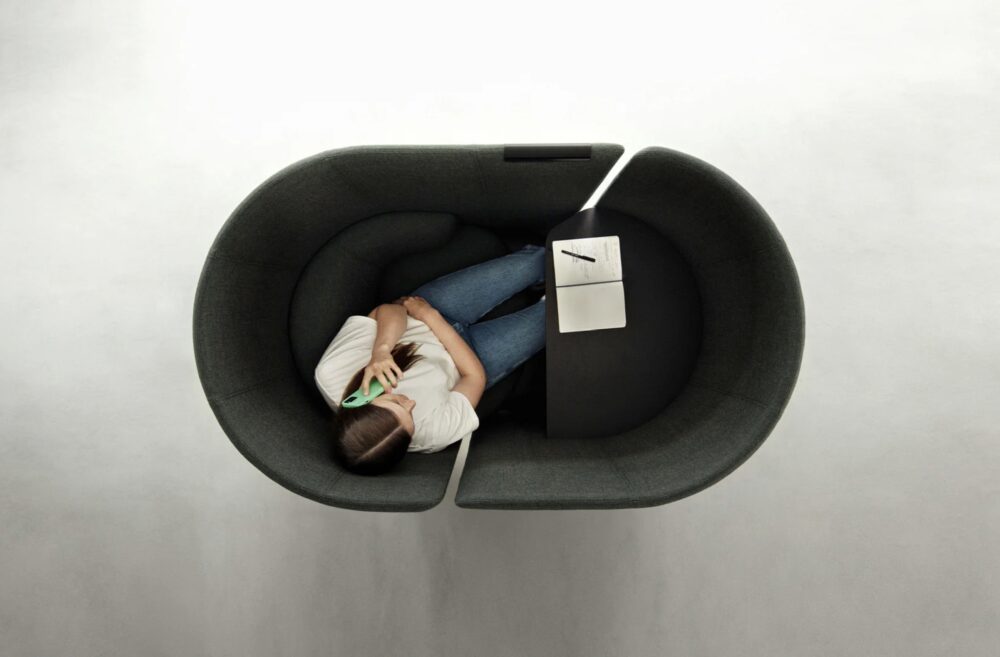
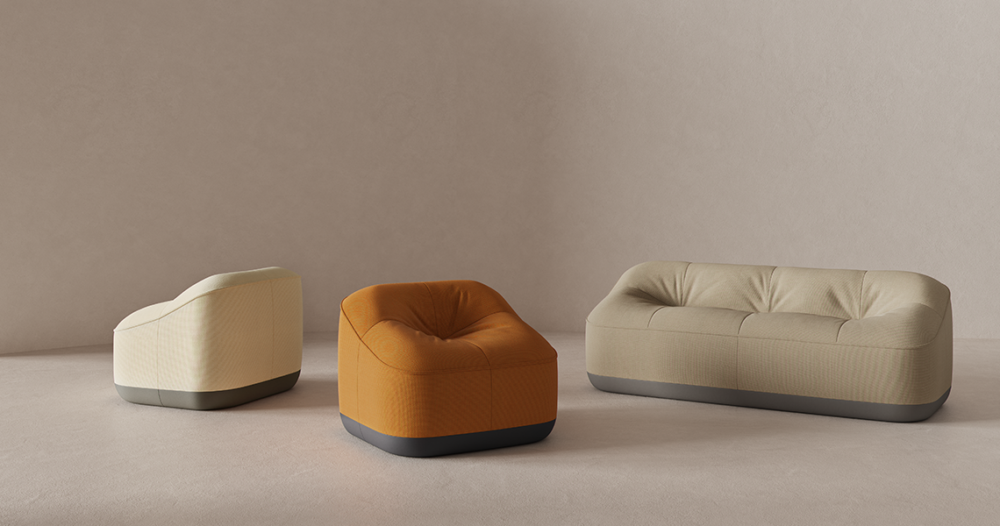
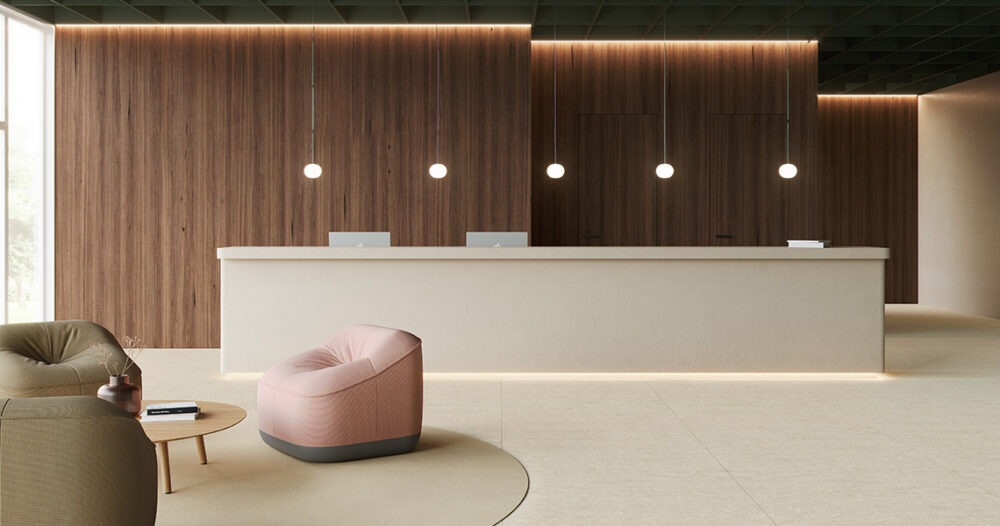
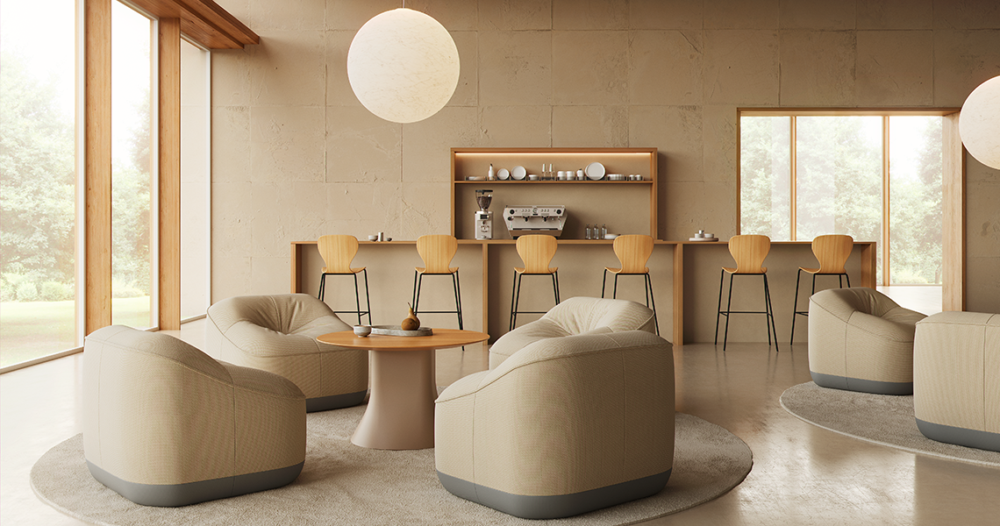
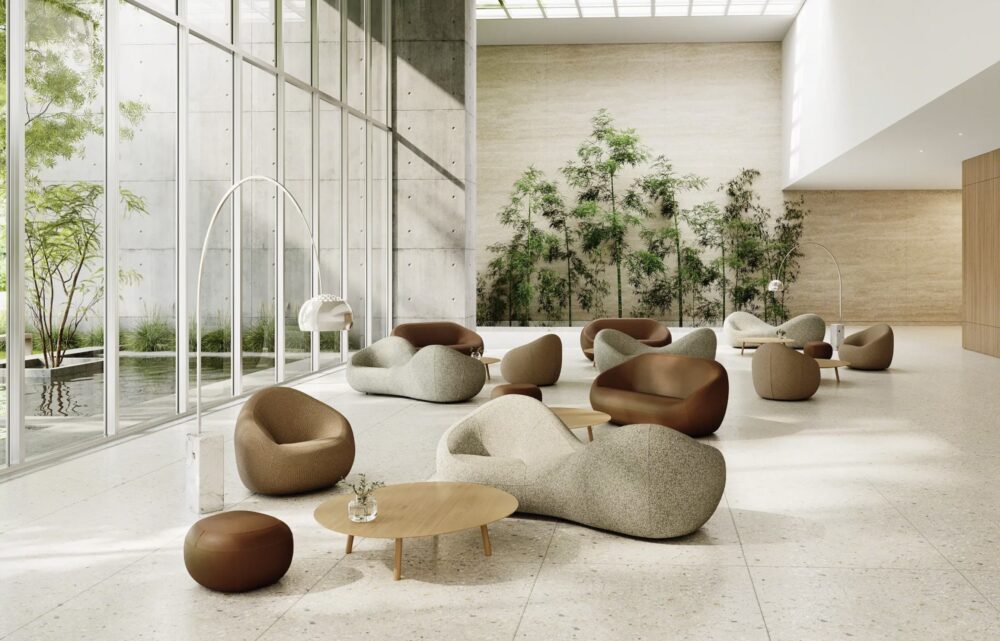
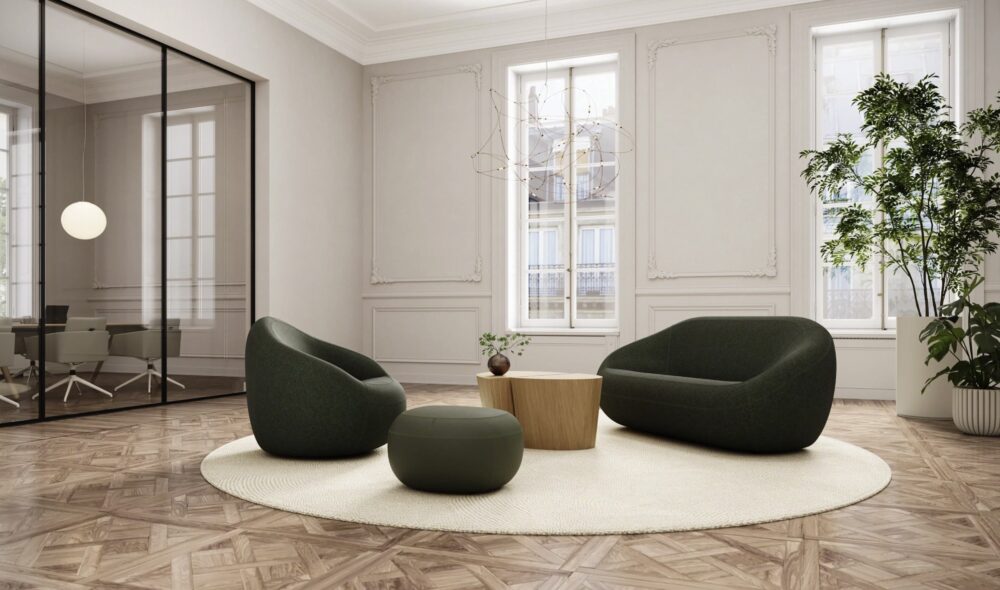
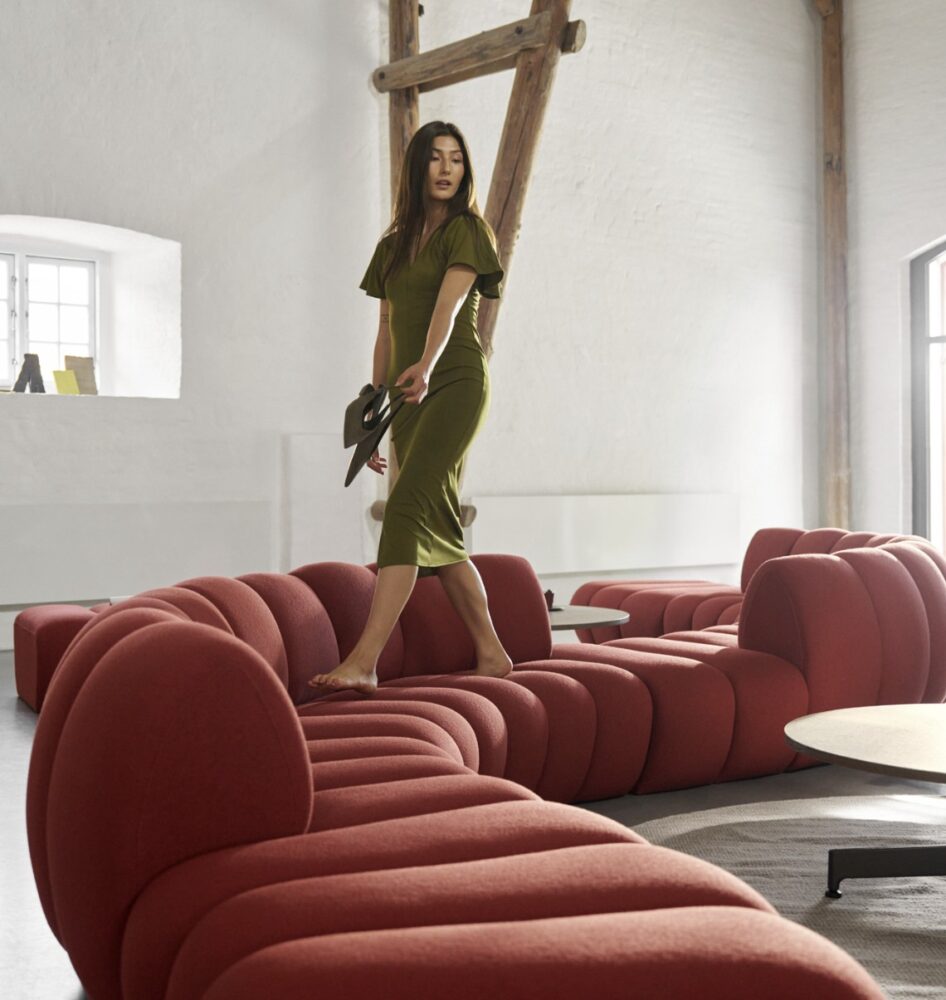
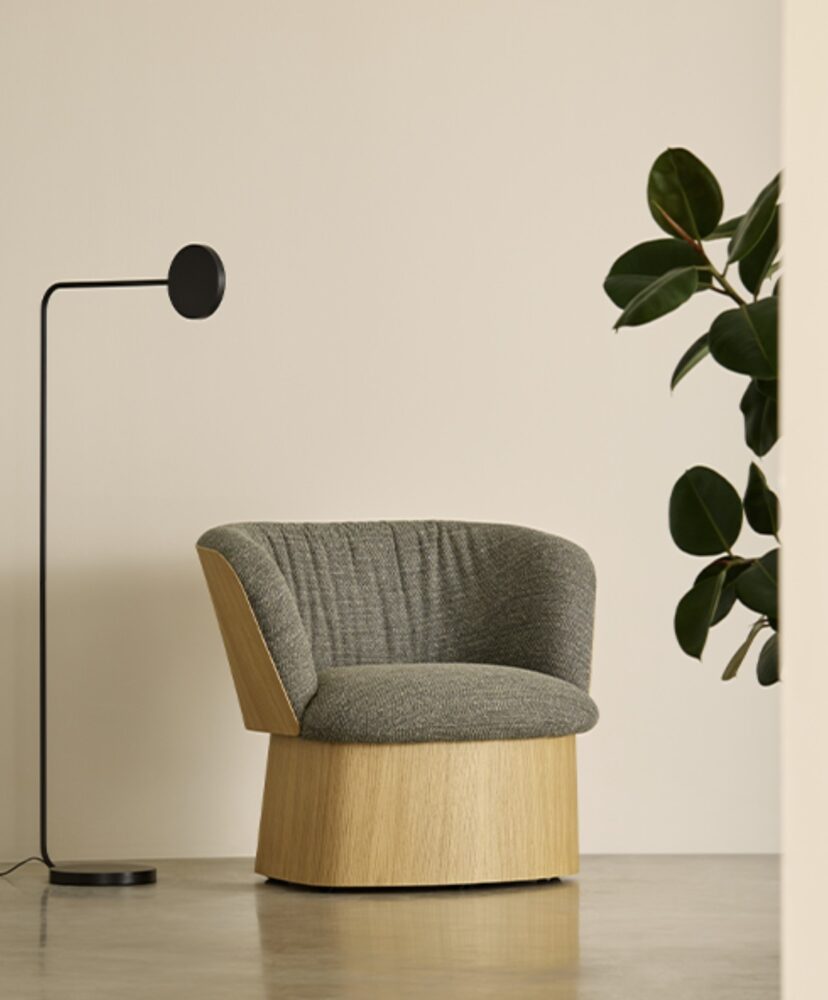
Images: (Second Row) Cubow lounge. Courtesy of Viccarbe.
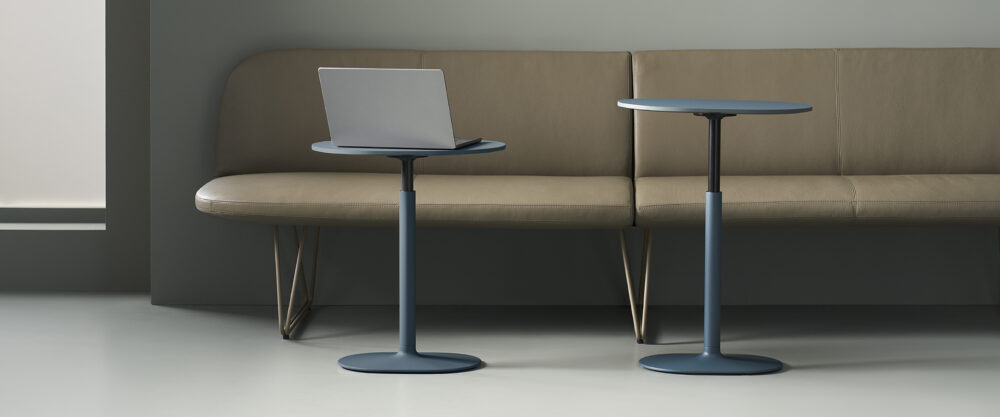
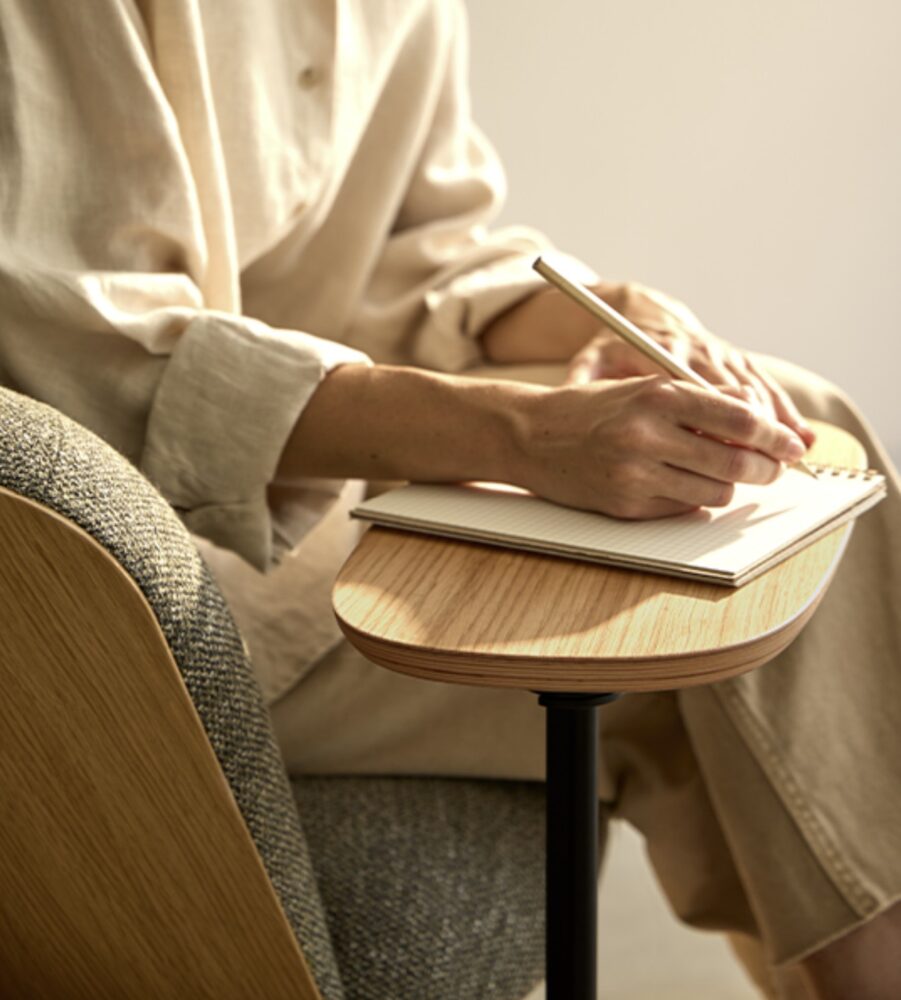
Equally important is flexibility in posture and setting, particularly for employees whose cognitive performance is closely tied to movement and environmental variation. Many neurodivergent individuals regulate focus through physical shifts—changing posture, relocating within a space, or alternating between stimulation levels. While standing desks and ergonomic seating solutions are the obvious solution, height-adjustable occasional tables like Davis UpToo or Hightower Draper are also emerging as a popular concept, allowing users to transition from relaxed lounge height to task-ready positioning, supporting various cognitive states throughout the day. This ability to recalibrate one’s physical environment by subtly raising a surface, shifting from an informal perch to a more supported working posture, acknowledges that attention is dynamic rather than fixed.
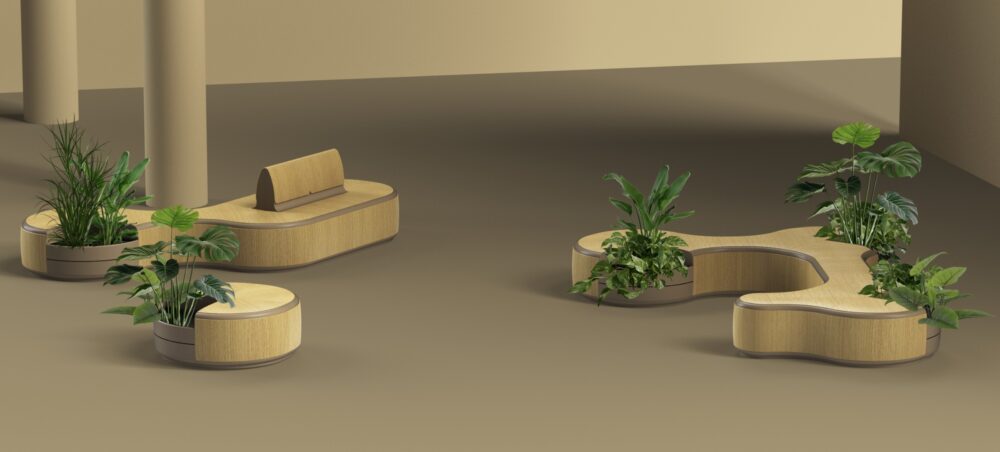
Additionally, the strategic integration of biophilia has been a key component of neuro-inclusive workplaces for clients like a large national healthcare company, introducing natural structure and visual rhythm that help bring calm to open-plan environments. Biophilic elements help employees regulate attention, reduce cognitive fatigue, and create a sense of spatial orientation. Products such as the Green Furniture Concept Pelago Series, which combines sculptural seating with integrated planters, and Hightower Stranza, with its modular planter elements, turn these principles into functional workspace zones that quietly guide circulation, define areas, and provide grounding cues, enhancing wellness for all employees while supporting the needs of those who strive with structure, rhythm, and subtle stimulation.
Companions at Work
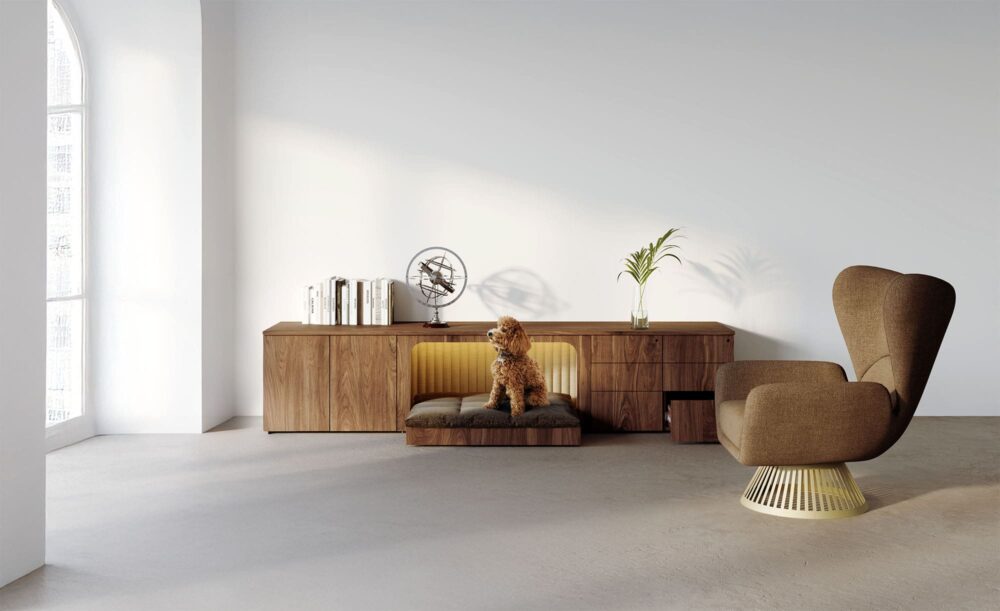
As workplaces embrace more inclusive design, many are also recognizing the role pets can play in supporting employee well-being and neurodiversity. They can provide calming companionship, help regulate stress, and serve as service or support animals for those who need them. Furniture solutions like the DARRAN Central Bark Collection, which integrates dog beds into office furniture, allow pets and employees to coexist comfortably, blending functionality with empathy and human-centered design. By considering how four-legged companions fit into the workplace ecosystem, organizations can create environments that enhance focus, comfort, and overall workplace satisfaction.
What Inclusive Workplaces Can Learn from Hospitality and Residential Design
Just as privacy, biophilic cues, and flexible furnishings support neurodiverse employees in managing focus and energy, the broader office environment can reinforce these benefits when it draws inspiration from hospitality and residential design. Employees increasingly view the physical office as a place to be productive, but they want it to feel welcoming and amenity-rich, with a home-like and hospitality-inspired atmosphere that encourages socialization, connection, and the feeling of being part of a community. Spaces that resemble kitchens, living rooms, and lounges offer multiple modes of engagement while giving employees the freedom to self regulate attention and energy. Hospitality and residential-inspired furniture like Coalesse Jean Nouvel, Allermuir Aura, and Viccarbe Manto introduce soft edges, modular layouts, and versatile configurations to corporate environments that translate these principles into workplaces, creating environments that feel human-centric while supporting diverse ways of working.
Neuro-inclusive workplaces are the foundation for the future of work, defined by inclusivity, empathy, and a long-term commitment to creating space for every employee to thrive. By embedding flexibility, sensory awareness, and empathy-led design into the workplace, organizations position themselves to unlock human potential, drive sustained innovation, and set a new standard for what work can (and should) be.
Jocelyn Corrigan, COO
As Chief Operating Officer at Empire & Co., Jocelyn Corrigan leverages over 25 years of experience across the dealer and manufacturer sectors to drive long-term brand strategy and growth. Since joining Empire in 2009, Jocelyn has held pivotal leadership roles in business development and strategy, consistently transforming industry trends and challenges into scalable opportunities. Known for her hands-on leadership, she expertly bridges high-level, creative vision with practical execution. As COO, Jocelyn oversees corporate strategy, new business initiatives, key accounts, and the Creative Studio, RFP, and Marketing departments, applying her forward-looking approach to guide client work and brand expansion.