


Beyond products and furniture, ORGATEC TOKYO 2026 explored how people, design and technology can come together to create meaningful workplaces for the future.
By Makiko Tanno, Senior Marcom Manager
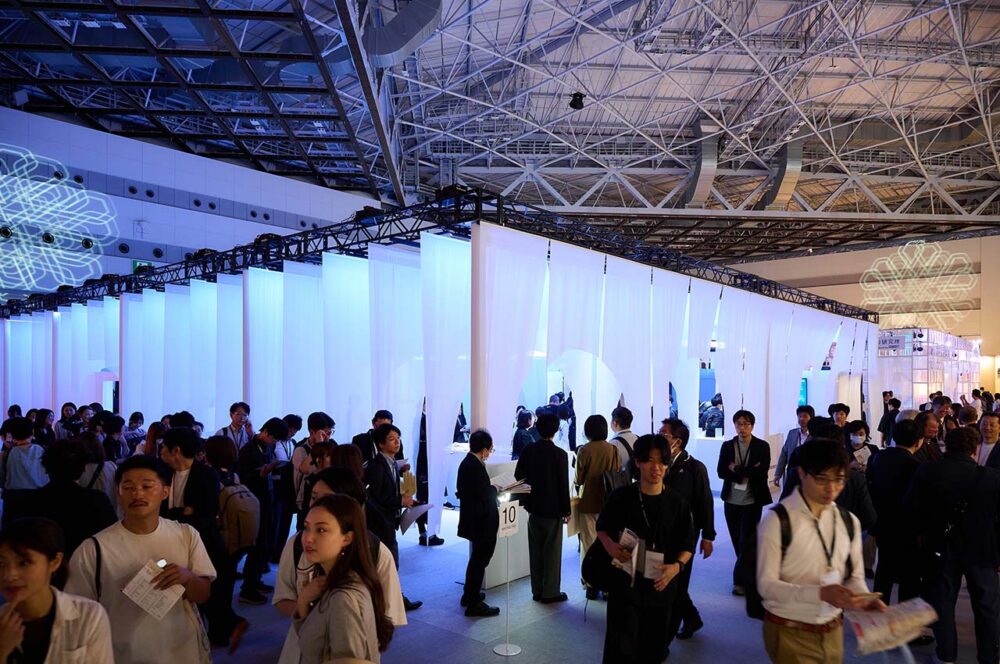
ORGATEC TOKYO 2026 brought together 151 exhibitors from 16 countries and regions and more than 33,000 visitors at Tokyo Big Sight. As Asia’s leading international trade fair for workplace design, the exhibition has become a key platform for exploring how workplaces are evolving across the region. Under the theme “To Be One – ideas in harmony, inspiring tomorrow”, this year’s edition examined how people, technology and design can come together to create new forms of value.
A Meeting Point for Japanese and Global Perspectives
One of the defining characteristics of ORGATEC TOKYO is the combination of strong domestic brands and internationally recognised companies. Industry leaders such as KOKUYO, ITOKI, OKAMURA and Karimoku Furniture exhibited alongside international brands including Framery, Humanscale, Porcelanosa Group and UniFor.
Rather than presenting a single vision of the future workplace, the exhibition highlighted a diversity of approaches. Across the halls, visitors encountered concepts balancing focus and collaboration, physical and digital environments, and individual wellbeing with organisational performance. The result was a rich exchange of ideas reflecting both local market needs and global workplace trends.
Human-Centred Design Takes Centre Stage
Throughout the exhibition, a recurring theme emerged: the growing importance of human-centred workplace design. Discussions increasingly focused not only on efficiency and productivity, but also on communication, wellbeing, creativity and belonging.
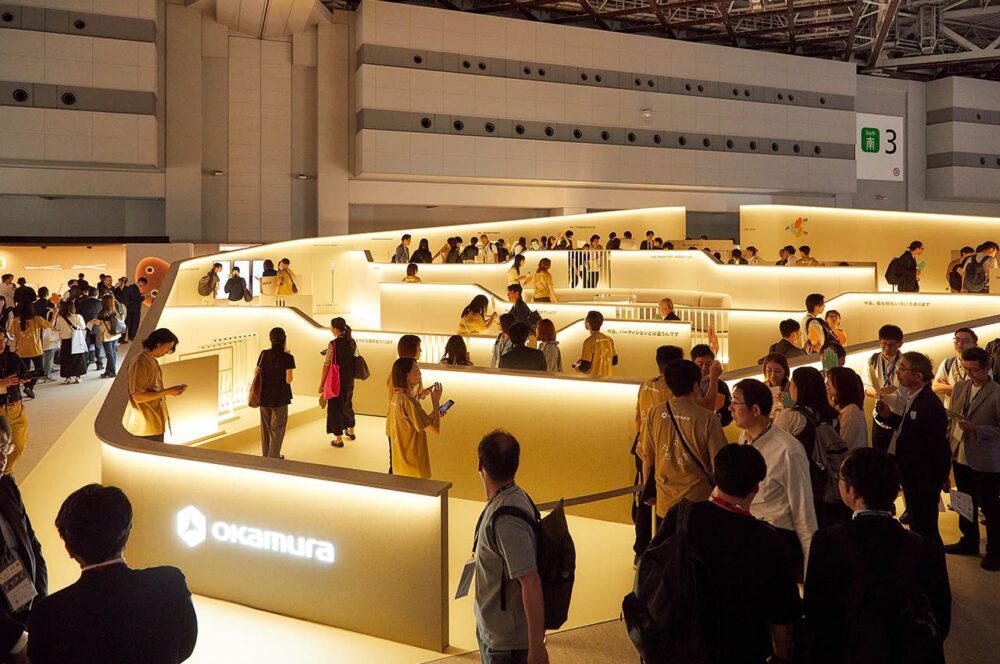
This perspective was reflected in both the exhibition programme and the award-winning installations. The Grand Prize-winning OKAMURA booth, for example, explored how workplace environments can encourage natural interaction and spontaneous encounters. Speakers in the Xperience Area similarly examined how space influences human behaviour and collaboration, highlighting the continued relevance of physical workplaces in an increasingly digital world.
Sustainability as a Driver of Innovation
Sustainability was another key theme running throughout the event. The special exhibition Circular MIRAI 2026 presented new approaches to circular economy principles, focusing on materials, manufacturing processes and product lifecycles.
At the concurrently held interzum showcase tokyo, visitors explored innovative materials, components and technologies that support more sustainable interior environments. Rather than treating sustainability as a compliance requirement, many exhibitors demonstrated how environmental responsibility can become a source of creativity, product differentiation and long-term value creation.
Beyond Products: Creating Meaningful Connections
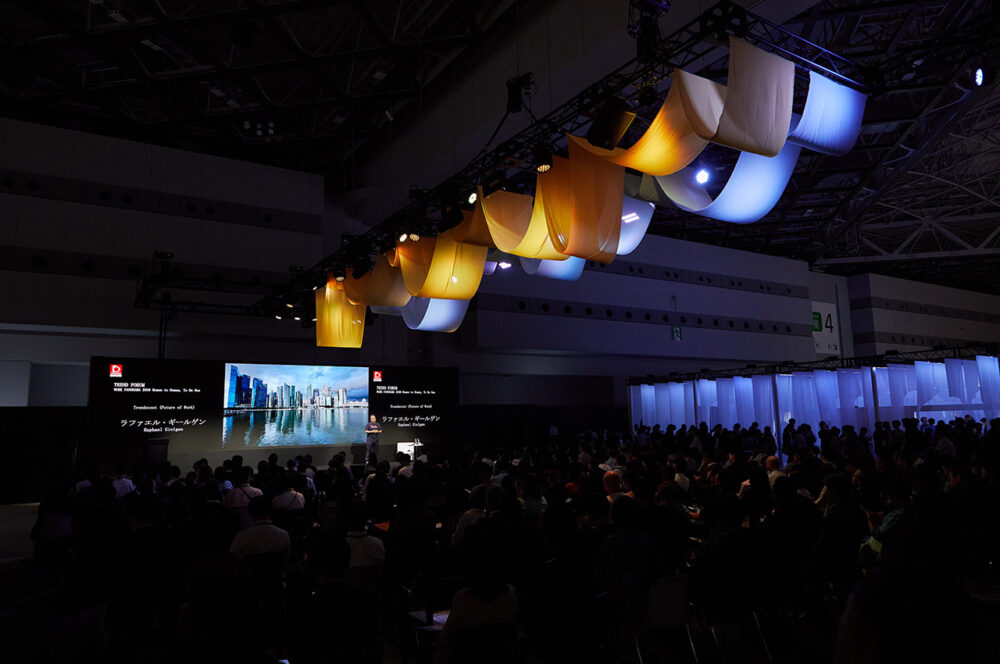
ORGATEC TOKYO has evolved beyond a product exhibition. Programmes such as the TREND FORUM, keynote presentations and ORGATEC NIGHT created opportunities for dialogue between designers, architects, manufacturers and workplace strategists.
These exchanges reflected a broader shift taking place across the industry. The conversation is no longer centred solely on where people work, but increasingly on how they connect, collaborate and create value together.
Looking Ahead
As workplace expectations continue to evolve, ORGATEC TOKYO provides an important platform for exploring future possibilities. The next edition will take place from 2–4 June 2027, continuing the dialogue between Asia and the global workplace design community.